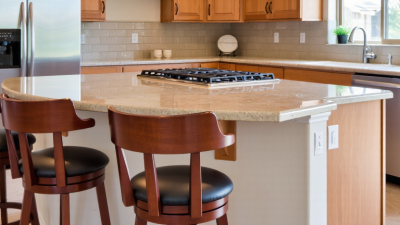
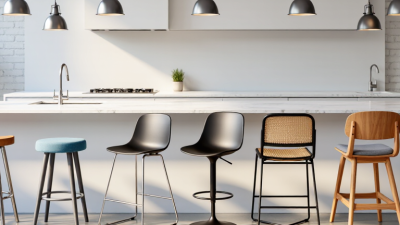
10 Tips for Choosing Counter Height Stools
Choosing counter height stools is not just a style decision. The wrong seat can leave knees cramped, backs unsupported, or family members perched too high above the counter. A few inches matter.
The National Kitchen & Bath Association’s Kitchen Planning Guidelines recommend allowing at least 24 inches of seating width per person. That planning figure gives shoppers a practical starting point, but it is not a guarantee of comfort: stool shape, armrests, and how people move around the island all affect usable space. Measure the counter, then check the stool’s seat height and footprint. A typical counter is about 36 inches high, while many counter stools have seats around 24 to 26 inches high. Still, measure your own surfaces; homes vary.
Ergonomics offers another useful lens. Industrial designer and ergonomics expert Niels Diffrient said, “The best posture is the next posture.” His point is a helpful reminder that a beautiful stool can still feel wrong during a long meal. Try sitting in a similar chair, notice where the seat edge meets your legs, and consider a footrest if your feet dangle. Small details matter.
This guide explores 10 practical tips for choosing counter height stools, from seat dimensions and materials to stability and cleaning. It will not make every choice obvious. That is worth admitting. Use the measurements as a starting point, and let your room—and the people using it—make the final call.
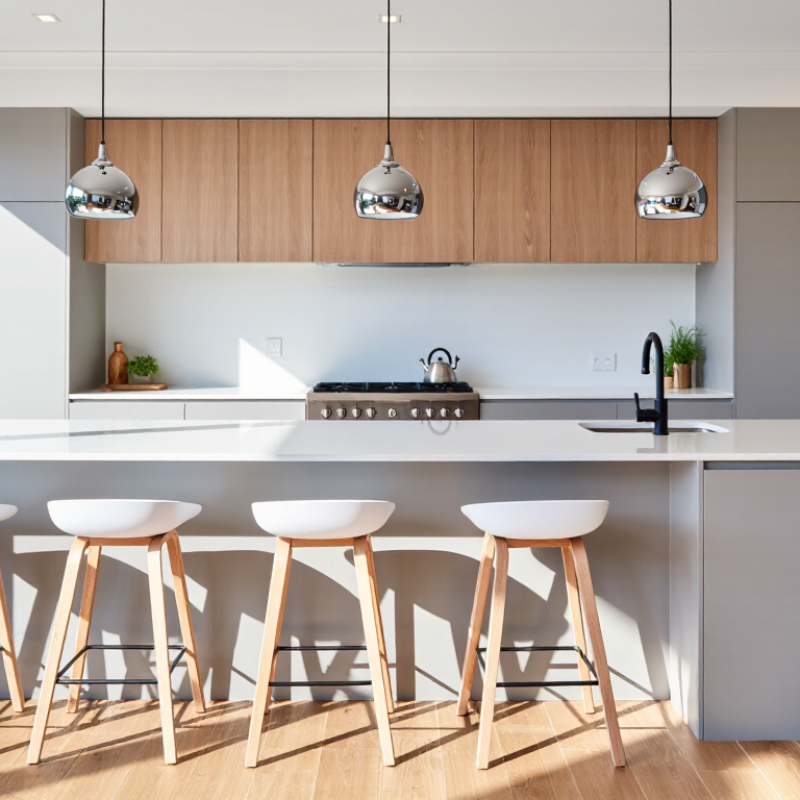
Measure Your Counter and Choose the Right Seat Height
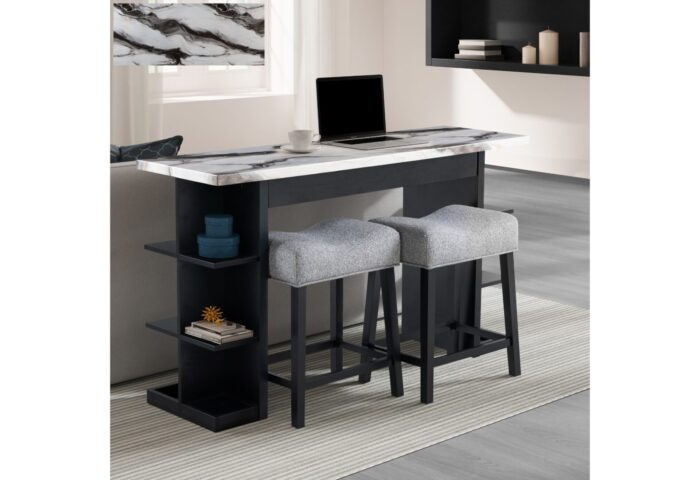
Measure from the finished floor to the counter’s top surface, not its underside. A standard 36-inch counter often pairs well with a 24- to 26-inch seat. Aim for about 10 to 12 inches between the seat and counter surface. That gap gives your legs room while keeping dishes within easy reach. Check the counter’s edge, too; a thick apron can reduce knee space.
Tip: Measure twice. Mark the planned seat height on a box or chair, then sit at the counter. Notice whether your knees clear the underside and whether your elbows rest comfortably. Small differences matter.
If your counter height is unusual, measure each spot rather than relying on standard sizes. Floors can slope, and counters may vary slightly from one end to the other. For upholstered stools, check the seat height under someone’s weight; soft padding can compress more than expected. I would also leave room to slide the stool in and out. A measurement can look perfect on paper, yet feel awkward once you sit down. Sometimes the tape measure is right and your posture disagrees.
Match Stool Style and Materials to Your Space
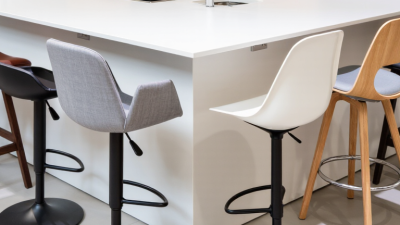
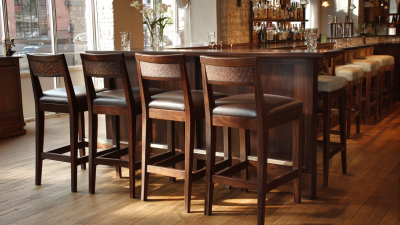
Let the room’s existing lines guide your stool choice. In a kitchen with flat cabinet fronts and cool stone, slim metal legs can echo the clean, open feel. A woven seat or warm wood top softens that look without making the room feel busy. Wood warms a room. In a cottage-style space, turned legs and a painted finish may feel at home, while a simple silhouette can keep the look from becoming too formal.
Materials should suit the way the stools will be used, not just the photographs you like. Smooth wood is easy to wipe, but scratches may show near a busy breakfast counter. Upholstered seats add comfort for lingering, though textured fabric can hold crumbs. Metal is sturdy and visually light, but it may feel cold against a bare leg. Check the footrest, too; a small detail can affect comfort more than an attractive finish.
Keep proportions in mind alongside color and texture. A bulky stool can crowd a narrow island, even when its finish matches perfectly. Leave enough room to pull each seat out without bumping a cabinet or another person. Matching every material is tempting, but a little contrast often feels more natural. Still, contrast can look accidental if the colors or finishes have no shared detail. A repeated wood tone or metal finish helps connect the pieces.
Assess Comfort, Support, and Adjustability
Comfort is easier to judge when you sit as you would at home, not just for a quick showroom test. Sit for a minute. Check that your feet rest comfortably on a footrest and your knees have room beneath the counter. For many standard counters, a seat about 10 to 12 inches below the surface leaves useful legroom, but measure your own setup before buying. A padded seat may feel soft at first, yet firm support often feels better during a longer meal. Notice whether the edge presses into the backs of your legs.
Back support matters, too. A low back can steady you while you eat, while a taller back may feel more supportive during a long conversation. Try leaning back gently and shifting your weight; the stool should feel stable, not wobbly. Adjustable height can help when the counter or household needs vary, but check that the mechanism moves smoothly and locks securely. Swivel seats are convenient, though they need enough space to turn without bumping cabinets. One measurement can still mislead: floor mats, seat cushions, and uneven floors change the fit. It is worth checking the stool in the room, then reconsidering if your posture feels strained after a few minutes.
Check Stool Width, Spacing, and Mobility
Measure the full stool width, including arms and the widest part of its base. Seat width alone can be misleading. A stool with a 17-inch seat may need several extra inches to fit comfortably. A practical starting point is about 24 to 26 inches of counter length per stool, then adjust for the stool’s shape. Measure twice.
Leave roughly six inches between neighboring seats so elbows do not collide during a meal. For stools with arms, bulky backs, or wide swivel bases, allow more room. I still find spacing easy to misjudge on paper; mark each stool’s footprint with painter’s tape and pull out an imaginary chair. The crowded spots become obvious.
Check how each stool moves in your actual room. Slide it fully under the counter, then pull it out as someone would when sitting down. Make sure it does not strike a cabinet, block a walkway, or catch on a rug edge. Swivel seats can help in tight spaces, but their bases may occupy more floor area. Small details matter. If people need to pass behind seated guests, test that route before choosing a stool count. A layout that fits neatly while empty may feel cramped once bags, plates, and moving legs enter the picture.
Compare Durability, Maintenance, and Cost
Compare frame material, joint construction, finish, seat, footrest, warranty, and price side by side. Solid wood can be repaired, but loose joints may need regular tightening. Steel frames often feel stable; inspect welds and coating for rough spots or chips. Sit and shift your weight gently. A stool that rocks on a level floor may need attention. Check the footrest, too: shoes scrape it constantly.
Durable? It depends.
For easier maintenance, sealed wood and metal usually wipe clean with a damp cloth; dry them afterward. Upholstered seats feel warmer, yet spills and crumbs can make cleaning slower. Removable covers help only if they are washable and easy to reinstall. Compare replacement-part availability and warranty terms, not just the checkout price. A cheaper stool may cost more over time if its finish fades or screws need repeated attention. Still, expensive materials do not guarantee careful assembly. Measure your counter, then check that each stool can tuck in without hitting cabinets.