

10 Best Counter Stools for Every Kitchen

Choosing counter stools can seem like a small decorating decision, until one wobbles, crowds the walkway, or leaves your knees pressed against the counter. The right choice should suit both the kitchen and the people using it every day. A beautiful finish helps, but comfort and fit matter more.

This guide to the 10 best counter stools for every kitchen looks at practical details, not just appearance. Seat height is a good place to start: many counters pair comfortably with seats about 9 to 12 inches lower, though measuring your own counter is safer than relying on a general rule. Check the stool’s full width, too. Arms, footrests, and swivel bases can take up more room than a product photo suggests.

Small details count. A padded seat may feel welcoming during a long breakfast, while a wipe-clean surface can be easier to manage around busy family meals. Backrests offer support, but backless stools can tuck neatly beneath an island. There is no perfect stool for everyone. Even a carefully chosen model may feel different after a week of daily use. That’s worth considering.

The picks ahead span varied styles, materials, and budgets, with attention to dimensions and everyday usability. Use them as a shortlist, then compare each option with your counter measurements and household needs. A good fit should feel comfortable, leave enough room to move, and look at home in your kitchen.
10 Best Counter Stools for Every Kitchen

What Counter Stools Are and How They Differ from Bar Stools

Counter stools are designed for kitchen counters, usually about 36 inches high. Their seats commonly measure 24 to 27 inches from the floor. Bar stools suit taller surfaces, often around 42 inches high, with seats roughly 28 to 33 inches high. That gap matters. Choose by measuring the underside of your counter, not just its top; aim for about 9 to 12 inches between the seat and counter for comfortable legroom. Real kitchens vary, and thick countertops can quietly change the fit.

The National Kitchen & Bath Association’s kitchen-planning guidance allows about 24 inches of seating width per person. Use that figure when checking whether stools will crowd a kitchen island. Arms and swivel bases need extra room. So do people passing behind seated guests. A backless stool can tuck beneath an overhang, while a backed seat feels more supportive during a long meal. One easy-to-miss detail: measure the footrest, too. I would not assume every “counter-height” label is precise; manufacturers may define sizes differently. Check the listed seat height against your own tape measure before buying.

Counter Stools vs. Bar Stools: Typical Seat-Height Ranges

Counter stools typically have seats 24–27 inches high and pair with counters about 34–36 inches high. Bar stools typically have seats 28–32 inches high and pair with bar tops about 40–42 inches high. Allow roughly 10–12 inches between the seat and the underside of the surface for comfortable legroom.

How to Measure Your Counter for the Right Stool Height

A stool can look perfect online and still feel awkward at home. Measure from the finished floor to the counter’s top, then check the underside for a thick edge or apron. The National Kitchen & Bath Association’s planning guidance places many kitchen counters around 36 inches high and bar-height surfaces around 42 inches. These are useful reference points, not a substitute for measuring your own kitchen.

For a 36-inch counter, a seat about 24–26 inches high often leaves comfortable legroom. For a 42-inch bar, look around 28–30 inches. Aim for roughly 10–12 inches between the seat and the counter’s underside; bulky trim can steal that space. Measure twice. Then test the fit by sitting down and checking whether your knees clear the edge without lifting your shoulders.

Measure the stool from the floor to the top of its seat, not to its back or arms. If the seat is padded, allow for compression; the listed height may not match how it feels under you. Also mark where stool legs will land, especially near a dishwasher or island support. I would not choose by height alone: a footrest, seat width, and room to pull the stool out matter in daily use. A tape measure cannot capture every comfort issue. A quick sit-test can reveal one it misses.

Key Features to Compare When Choosing Counter Stools

Seat height is the first measurement to check. Most kitchen counters pair well with stools that have seats about 24 to 27 inches high, but measure your own counter before ordering. Aim for roughly 9 to 12 inches between the seat and countertop.

Then check the stool’s overall width against the available space; crowded knees make even a stylish seat frustrating. Small detail, big difference. If several stools will sit side by side, allow room to pull each one out without bumping a cabinet or neighboring seat.

Next, compare the frame, footrest, and upholstery. A sturdy frame should feel balanced when someone shifts position, while a well-placed footrest supports relaxed sitting. Test the wobble. For busy kitchens, wipeable fabric, sealed wood, or an easy-clean surface may save effort after spills. Swivel seats can make getting in and out easier, though they need extra clearance. Backrests and arms add support, but may prevent stools from tucking fully beneath the counter. One compromise is easy to miss: a cushioned seat feels inviting in a showroom, yet its height and firmness can change how comfortably it fits your counter over time.

10 Best Counter Stools for Different Kitchen Styles and Needs

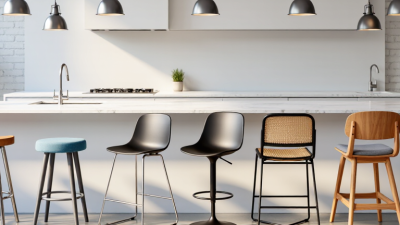
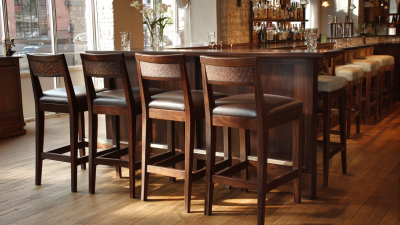
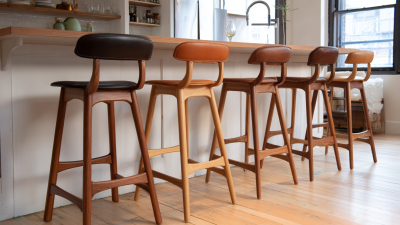
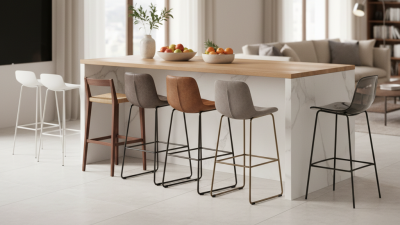
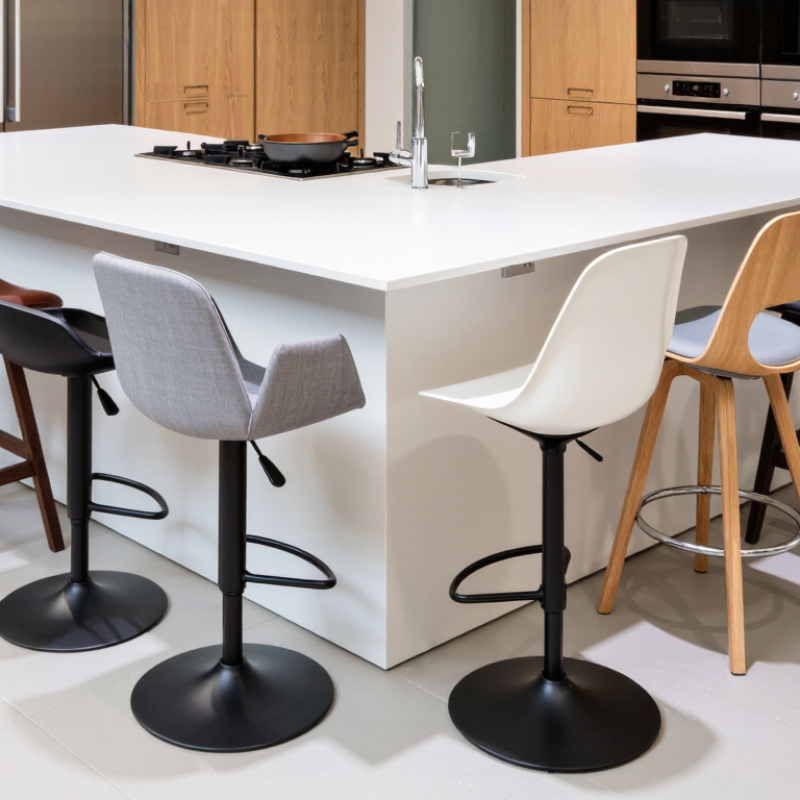
The right counter stool should suit both the room and the way people use it. A backless stool tucks neatly beneath an island, while a low-back design adds support without blocking sightlines. Upholstered seats feel softer during long breakfasts, but need more careful cleaning. Solid-wood stools bring warmth to farmhouse or traditional kitchens. Metal frames suit industrial spaces and are often easy to wipe down. Small rooms benefit from simple shapes.

For flexible seating, swivel stools make it easier to turn toward conversation, while adjustable-height models can accommodate varied counters. A farmhouse stool often pairs a sturdy frame with a broad seat; an industrial style may use visible metal and clean lines. Compact, stackable stools help when guests arrive, though they may feel less substantial. A footrest matters, especially for children and shorter adults. Measure twice. Most standard counters are about 36 inches high, and seats around 24 to 26 inches often fit, but check your own counter and allow room to move. No stool works for every kitchen. Even a beautiful seat can become uncomfortable after an hour.

10 Best Counter Stools for Every Kitchen — 10 Best Counter Stools for Different Kitchen Styles and Needs
Best For Stool Style Typical Features Seat-Height Guidance Kitchen Match Practical Consideration
Everyday comfort Upholstered stool with a back Padded seat, supportive backrest, and a footrest About 24–26 in. for a standard counter Traditional, transitional, or family kitchens Choose an easy-clean fabric or removable seat cover for frequent use.
Small kitchens Backless, armless stool Compact profile that can tuck beneath the counter About 24–26 in. for a standard counter Apartment, galley, or compact kitchens Measure the available width; allow room for each stool and comfortable seating.
Modern interiors Minimal metal stool Clean lines, slim legs, and a simple seat About 24–26 in. for a standard counter Contemporary or industrial kitchens Protect hard flooring with suitable glides and check that the seat has a footrest.
Natural materials Wooden stool Solid or engineered wood construction; may have a back or woven seat About 24–26 in. for a standard counter Farmhouse, Scandinavian, or rustic kitchens Wood finishes and seat shapes vary, so compare them with nearby cabinetry and flooring.
Flexible seating Swivel stool Rotating seat, often with a back and footrest About 24–26 in. for a standard counter Busy kitchens where people move between the island and room Allow enough clearance for the seat to turn without hitting cabinets or neighboring stools.
Adjustable fit Height-adjustable stool Seat height changes to suit different counters or users Check the product’s full adjustment range against your counter Multi-use spaces or kitchens with nonstandard counter heights Confirm the adjustment mechanism is stable and the footrest remains comfortable at the chosen height.
Easy cleanup Wipe-clean seat stool Typically a hard seat made from materials such as wood, metal, or molded plastic About 24–26 in. for a standard counter Family kitchens, breakfast counters, or craft areas Hard seats may be less comfortable for long periods; a removable cushion can add padding.
Extra support High-back stool Taller backrest and a more supportive seated position About 24–26 in. for a standard counter Kitchens used for meals, homework, or longer conversations Check the overall height and island overhang so the backrest does not obstruct walkways.
Casual, airy look Woven-seat stool Natural-fiber or synthetic woven seat, often paired with a wood or metal frame About 24–26 in. for a standard counter Coastal, bohemian, or relaxed kitchens Review care instructions; woven materials may need more careful cleaning than smooth surfaces.
A taller counter or bar Bar-height stool Similar styles to counter stools, with a taller seat position Usually about 28–30 in. for a 40–42 in. bar-height surface Raised bars or taller kitchen islands Measure the surface before buying; bar-height stools are usually too tall for standard counters.

How to Care for Counter Stools and Keep Them Safe

Counter stools work hard: feet knock the rungs, spills reach the seat, and loose joints can turn a steady perch into a hazard. Wipe wood with a barely damp cloth, then dry it; standing water can damage the finish and encourage swelling. The USDA Forest Products Laboratory’s Wood Handbook explains that wood changes size as its moisture content changes. Keep wooden stools away from radiators and damp sinks, and tighten screws when seasonal changes make joints feel loose. For upholstered seats, blot spills instead of rubbing them, and follow the fabric’s care instructions. Test cleaners on a hidden patch first. Small details matter.

Check each stool regularly. Press down on the seat, inspect the legs and footrest, and listen for creaks. A wobble is not “probably fine.” Stop using the stool until you find and fix the cause. Place all four legs on a level floor; don’t use a stool as a step ladder or lean back on two legs. The CDC’s older-adult fall-prevention guidance reports that more than one in four adults aged 65 and older falls each year. That figure is not specific to stools, but it’s a useful reminder to keep walkways clear and stools stable. I sometimes overlook a loose screw until a stool shifts; checking sooner is the better habit.

Start typing to see products you are looking for.
Sign in

No account yet?

NewSale
SHARE YOUR CART