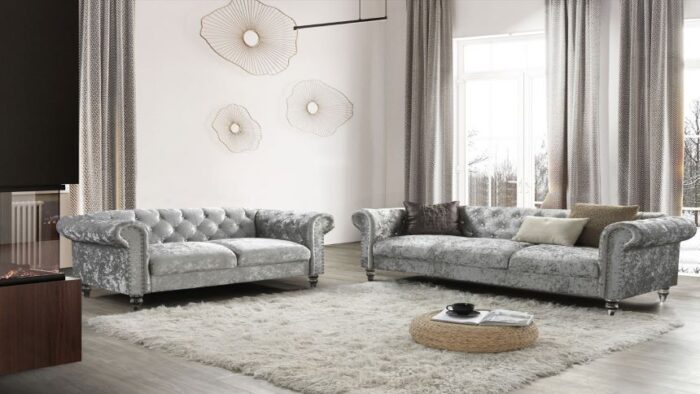
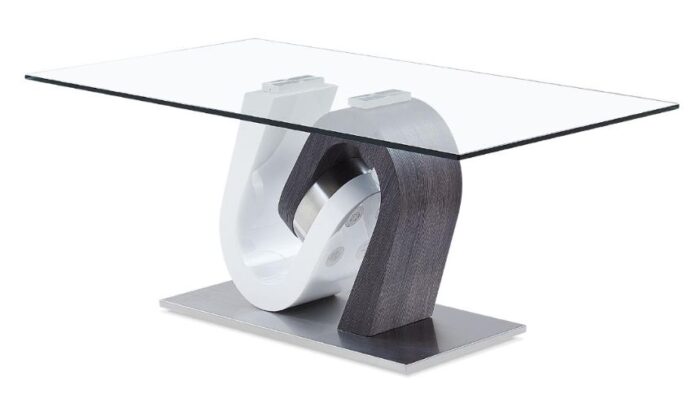
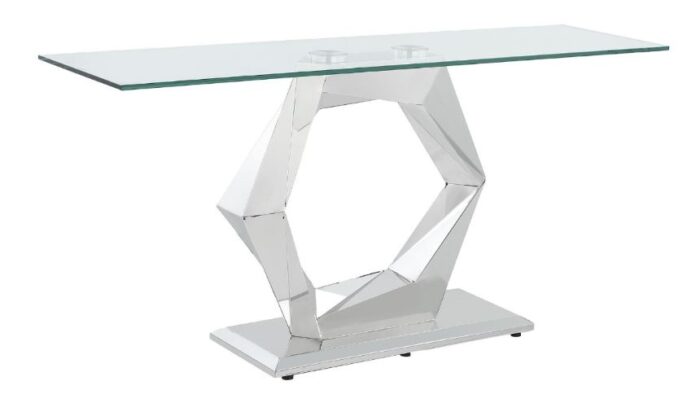

Choosing the best dining table begins with how your room truly works, not with a showroom trend. Measure the available area, including door swings, walkways, and nearby cabinets. Leave about 36 inches between the table edge and walls whenever possible. This clearance allows people to pull out chairs without scraping paint or bumping into furniture. A beautiful table can still feel wrong when movement becomes awkward.
Terence Conran, the British designer and founder of Habitat, famously said, “The dining table is the heart of the home.” That idea remains practical today. Your dining table may host quiet breakfasts, homework, holiday meals, or hurried conversations. Consider the number of regular users, then add flexibility with an extension leaf if guests often arrive. Rectangular tables suit long rooms, while round designs improve conversation and soften compact spaces. Square tables can work well, but they may waste room when seating expands.
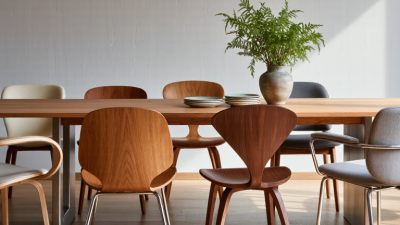
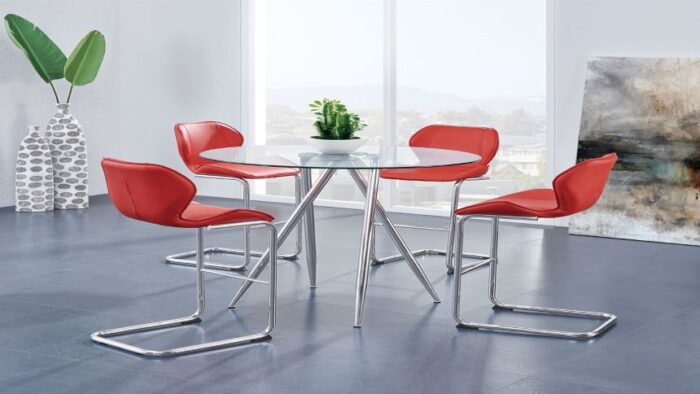
Materials also deserve honest attention. Solid wood offers warmth and can often be repaired, yet it may show scratches, stains, and seasonal movement. Glass makes a small room look lighter, but fingerprints appear quickly. Metal gives a modern edge, although it can feel cold without textured chairs or softer lighting. There is no flawless choice. I have seen attractive tables fail because their bases blocked knees or their surfaces demanded constant care. Before buying, mark the tabletop on the floor with painter’s tape. Sit around it. Walk past it. The right dining table should look inviting and behave comfortably every day.
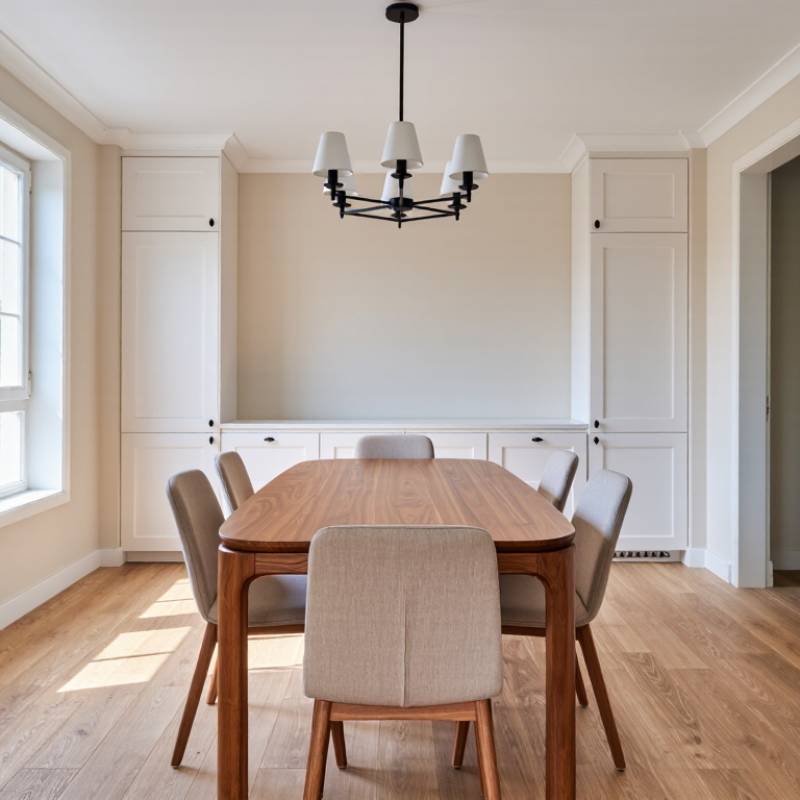
Before choosing a dining table measure the room and record every fixed feature. Include doors, radiators, windows, and walking paths. Leave about 36 inches between the table edge and nearby walls or furniture. This clearance allows chairs to move without scraping paint or blocking traffic. I once chose a table by floor area alone. It technically fit, but opening the kitchen door became awkward.
Your layout should match how people use the room. A rectangular table suits long spaces and larger gatherings. A round table can soften a compact room and improve conversation. Square tables work well in balanced rooms, but they may waste space for larger groups. Mark the proposed table size with painter’s tape. Walk around it with a chair pulled out. This simple test often reveals problems that a floor plan misses.
Think about your real dining needs, not an imagined lifestyle. Allow roughly 24 inches of table width per person for comfortable seating. Add more space if guests use large plates or serve food at the center. If children regularly eat there, choose a durable surface with easy-clean edges. If the table doubles as a workspace, check legroom and cable access. I still underestimate storage needs sometimes. Placemats, serving bowls, and seasonal dishes can quickly occupy nearby cabinets. A slightly smaller table may be wiser when the room must serve several purposes.
Measure the room before choosing a dining table. Record the wall-to-wall length, door swings, windows, radiators, and nearby cabinets. A beautiful table can still fail if a chair collides with a door. Leave at least 36 inches between the table edge and a wall, based on NKBA Kitchen and Bathroom Planning Guidelines. Increase this to about 44 inches where people regularly walk behind seated guests. These figures are practical targets, not decoration rules.
Use three clearance zones. The first is the seating zone, allowing each chair to slide out comfortably. The second is the passage zone, protecting the main route through the room. The third is the access zone around doors and storage. The U.S. Access Board’s 2010 ADA Standards specify a 36-inch accessible route and a 30-by-48-inch clear floor space for many accessible approaches. Your home may not require full accessibility, but these dimensions expose cramped planning early.
Try masking the proposed table footprint on the floor with painter’s tape. Walk around it while pulling out every chair. It feels surprisingly revealing. A 72-inch table may fit on paper, yet eight chairs can make the room unusable. I once underestimated the space needed for a sideboard. That mistake changed the layout. Measure with chairs included, not just the tabletop. Leave extra room for winter coats, children, or an occasional guest. The perfect clearance is rarely perfect. Recheck it at different times of day.
Before choosing a dining table, measure the room and leave enough space around the tabletop for chairs, movement, and serving. The chart shows commonly recommended minimum clearance zones measured from the table edge.
Choosing the best dining table starts with movement, not decoration. Measure the room before browsing shapes or finishes. Leave at least 90 centimeters between the table edge and nearby walls, cabinets, or chairs. This clearance allows people to sit comfortably and walk behind them.
Rectangular tables suit long rooms and usually provide the most seating. A round table softens square spaces and keeps conversation flowing across the group. Square tables work well in compact dining areas, but they can feel tight with four adults. Consider your usual guests, not an imagined dinner party. A table for six is unnecessary if four people dine there most evenings.
Allow about 60 centimeters of table width per person for comfortable elbow room. A 180-centimeter rectangular table can often seat six, depending on its legs and end design. Pedestal bases may provide more usable space than bulky corner legs. Check both the tabletop dimensions and the chair width. I once focused on seating capacity and ignored chair clearance. The table looked perfect, yet every seat felt trapped. Flexible furniture can be useful, but extending leaves need storage, and frequent setup can become irritating. Measure doorways and stair turns too. A beautiful table is still a poor choice if it cannot enter the room.
A dining table should fit your habits before matching your room. Solid wood brings warmth, repairability, and visible character. However, it can swell or shrink with seasonal humidity. The USDA Forest Products Laboratory’s Wood Handbook explains that wood changes dimension as moisture levels change. The EPA recommends indoor relative humidity between 30% and 50%, which can help limit movement and cracking. FSC’s 2023 Facts and Figures reports more than 160 million hectares of certified forests worldwide. Certified wood can support more responsible sourcing, but certification does not guarantee perfect construction.
Match the shape to daily movement. Round tables improve conversation and reduce sharp corners in compact rooms. Rectangular tables suit larger spaces and flexible seating. Glass can make a small room feel lighter, yet fingerprints appear quickly. Stone handles heat well, but some surfaces stain or chip at the edges. Oil-finished wood may need periodic re-oiling, while sealed finishes usually clean more easily. I once chose style over maintenance. The scratches became impossible to ignore.
Tips: Measure walking space, not only table length. Leave about 36 inches around the table when possible. Test the finish with a damp cloth. Check whether the manufacturer specifies heat protection, cleaning products, and refinishing. If children eat there, choose rounded corners and a finish that tolerates repeated wiping. Do not trust showroom lighting. Take a sample home, if available, and view it beside your flooring.
| Table Material | Visual Style | Best Room Match | Durability and Everyday Performance | Maintenance Requirements | Heat and Moisture Considerations | Typical Seating Guidance |
|---|---|---|---|---|---|---|
| Solid Wood | Warm, natural, traditional, rustic, or contemporary depending on the finish | Most dining rooms, open-plan kitchens, farmhouse interiors, and family homes | High | Dust regularly; wipe spills promptly with a soft, slightly damp cloth. Re-oiling or refinishing may be needed depending on the finish. | Can expand or contract with changes in humidity. Use coasters and trivets to help prevent rings, stains, and heat marks. | Suitable for everyday family use. Choose a sturdy base and rounded corners for busy households. |
| Wood Veneer | Natural wood appearance with a clean, lighter construction | Modern apartments, compact dining areas, and coordinated minimalist interiors | Moderate to high | Clean with a soft cloth and mild soap solution when necessary. Avoid abrasive cleaners and standing water. | More vulnerable to moisture reaching the edges or seams. Use placemats, coasters, and heat protection. | Works well for regular use when protected from sharp impacts and prolonged moisture. |
| Laminate | Versatile; can imitate wood, stone, or solid colors | Family kitchens, rental homes, casual dining spaces, and high-use areas | High for daily wear | Easy to clean with a damp cloth and mild household cleaner. Dry the surface and edges after cleaning. | Generally resistant to everyday spills, but excessive heat can discolor or damage the surface. Do not place hot cookware directly on it. | A practical option for frequent meals, children, and homes needing low-maintenance furniture. |
| Tempered Glass | Light, airy, contemporary, and visually space-saving | Small rooms, modern interiors, and spaces where natural light should remain visible | High impact resistance when properly tempered | Clean fingerprints and spills with glass cleaner or a diluted mild soap solution. Use soft, non-abrasive cloths. | Resists ordinary moisture, but thermal shock and direct contact with very hot items can create stress. Use trivets and avoid dragging hard objects. | Good for formal or moderate-use dining. A stable frame and polished or protected edges improve safety. |
| Natural Stone | Premium, substantial, organic, and distinctive | Spacious dining rooms, statement interiors, and formal entertaining areas | High, but stone-specific | Wipe spills quickly. Porous stones may require periodic sealing; avoid acidic or abrasive cleaners unless approved for the stone. | Some stones can stain or react to acids such as vinegar, lemon juice, and wine. Use coasters, placemats, and trivets. | Best where a heavy, permanent-feeling table is acceptable. Confirm that the floor can support the weight. |
| Sintered Stone or Ceramic | Contemporary, refined, and available in stone-inspired finishes | Modern kitchens, high-traffic dining rooms, and design-focused homes | High resistance to scratches, stains, and heat | Usually needs only a soft cloth, water, and mild detergent. Avoid impacts on corners and edges. | Typically handles heat and moisture well, but sudden heavy impacts may chip the surface. Use care when moving cookware. | Well suited to frequent entertaining and households seeking a low-maintenance surface. |
| Metal | Industrial, minimalist, modern, or utilitarian | Loft apartments, contemporary dining areas, patios, and commercial-style interiors | High, depending on coating | Wipe dust and spills promptly. Use a cleaner suitable for the specific metal and finish; avoid abrasive pads. | Moisture can cause corrosion on unprotected metal. Outdoor use requires a weather-suitable finish and regular inspection. | Useful for high-use settings when paired with a stable, comfortable tabletop surface. |
| Engineered Wood | Consistent, practical, and available in contemporary or traditional finishes | First homes, apartments, home offices that double as dining areas, and budget-conscious spaces | Moderate to high | Use a soft cloth and mild cleaner. Keep water away from exposed edges and repair damaged finishes promptly. | Prolonged moisture and excessive heat can cause swelling, peeling, or surface damage, especially at joints and edges. | A suitable everyday choice when affordability, consistent appearance, and easy replacement are priorities. |
| Practical sizing rule: Allow approximately 24 inches of table width per person for comfortable dining, and leave about 36 inches between the table edge and nearby walls or furniture so chairs can be pulled out easily. Always check the manufacturer’s care instructions for the specific finish. | ||||||
A dining table should fit your room, budget, and future routines. Measure the tabletop and leave about 36 inches around it for comfortable chair movement. Allow roughly 24 inches of width per diner. A compact 120-centimeter table may suit four people, but frequent guests can make an extension mechanism more valuable than a larger fixed design. Houzz’s 2023 U.S. Houzz & Home Study reported a median renovation spend of about $24,000, covering many project types. That figure is not a dining-table budget, but it shows why one purchase should be planned within the wider home budget.
Compare total value, not only the ticket price. Solid wood can often be sanded, while thin veneers may need gentler care. Check joint strength, finish repair options, replacement hardware, and delivery access. A heavy table may feel stable, yet stairs and narrow doorways can make it impractical. I would also test the leg position with a chair. Attractive central supports sometimes restrict knees. That detail is easy to miss.
Tips: Use painter’s tape to mark the tabletop on your floor. Sit at every position. Check extension leaves before buying. Record the warranty and cleaning instructions. Do not assume “family-proof” means maintenance-free. Houzz data can guide spending, but your room, habits, and tolerance for wear matter more.
No account yet?
Create an Account