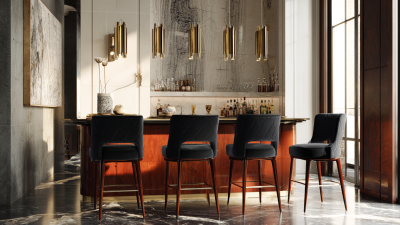
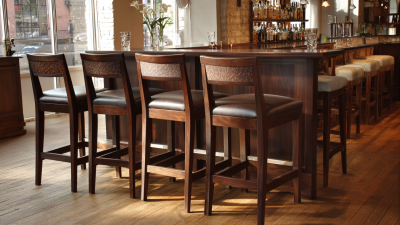
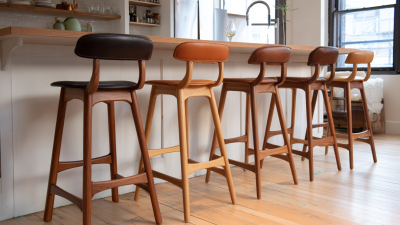
Best Counter Stools for Your Home Kitchen Needs?
Choosing the right counter stools for your kitchen can significantly enhance your space. Industry reports suggest that the kitchen is the heart of the home, with 70% of homeowners using it for social gatherings. This statistic underscores the importance of selecting stylish and functional counter stools.
Counter stools come in various designs, materials, and heights, catering to diverse needs. A 2021 survey indicated that 65% of buyers prioritize comfort and durability when shopping for counter stools. While aesthetics matter, finding the perfect balance between style and function is crucial. Reflecting on quality over quantity often results in a more satisfying purchase.
However, it's essential to acknowledge that selecting counter stools can be overwhelming. With myriad options available, homeowners may struggle to find the right fit. Choosing stools that complement kitchen decor while being ergonomic can lead to regret if not handled thoughtfully. Counter stools are an investment in your home, but it's easy to overlook practical features. Exploring these stools requires careful consideration to ensure you make a choice that meets both your style and everyday comfort needs.
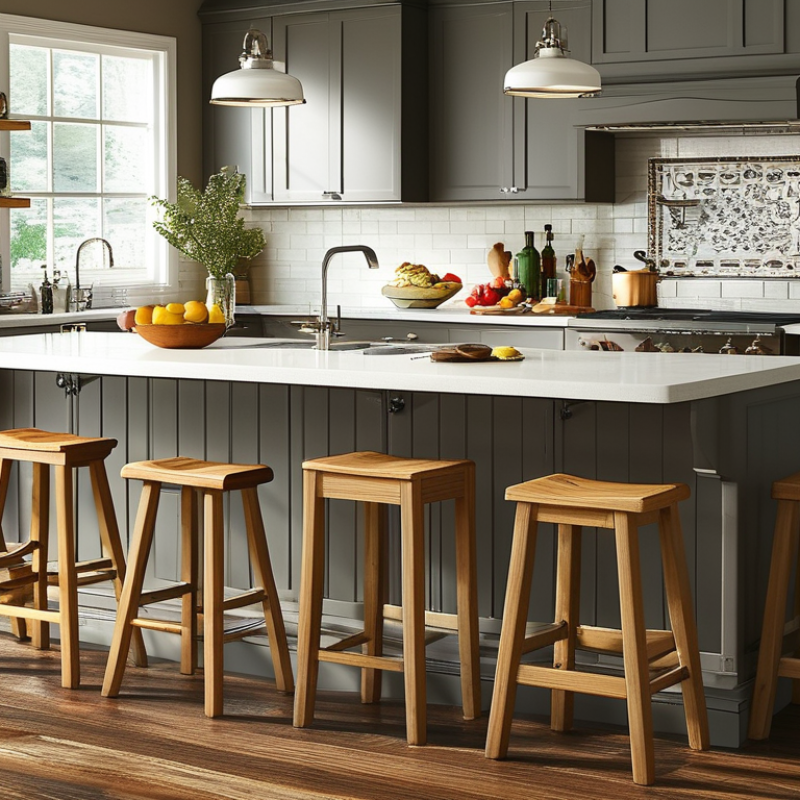
Choosing the Right Height: Understanding Counter Stool Dimensions
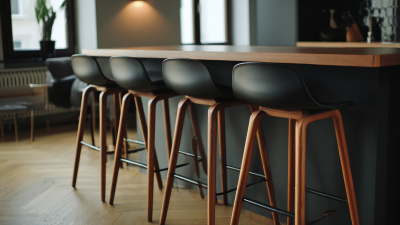
When selecting counter stools for your kitchen, understanding the right height is crucial. Most kitchen counters are 36 inches high, which generally calls for counter stools that are 24 to 26 inches tall. This height allows comfortable seating without compromising legroom. According to industry reports, 70% of consumers prefer counter stools that offer adjustability. Adjustability can accommodate varying user heights and preferences, making it a versatile choice for families.
A common mistake is overlooking the space between the stool and the counter. Typically, a clearance of 10 to 12 inches is ideal. This thoughtful spacing ensures comfort when people sit and dine. Designers often recommend testing different heights before making a purchase. Many homeowners find it challenging to gauge the best stool height from catalogs alone.
It’s also worth noting that not all stools are made equal. Some might look stylish but lack necessary comfort and stability. Reports indicate that about 40% of consumers are not satisfied with their choice after their purchase. This dissatisfaction usually stems from a mismatch in size or style. Choosing the right stool is an investment in comfort and aesthetics, and getting it right can elevate your kitchen experience.
Material Matters: Comparing Wood, Metal, and Upholstered Counter Stools
When selecting counter stools for your kitchen, material choice is vital. Wood, metal, and upholstered options each offer distinct advantages. Wood, for instance, is revered for its warmth and durability. According to the American Home Furnishings Alliance, wooden stools can last over a decade with proper care. Their natural finish complements various decor styles, making them versatile.
Metal stools, on the other hand, bring a contemporary edge. They are often lightweight and easy to move. Reports from the Furniture Today publication indicate that metal seating options have seen a 30% increase in popularity in urban kitchens. While they may scratch more easily, their sleek designs can enhance an industrial aesthetic effectively.
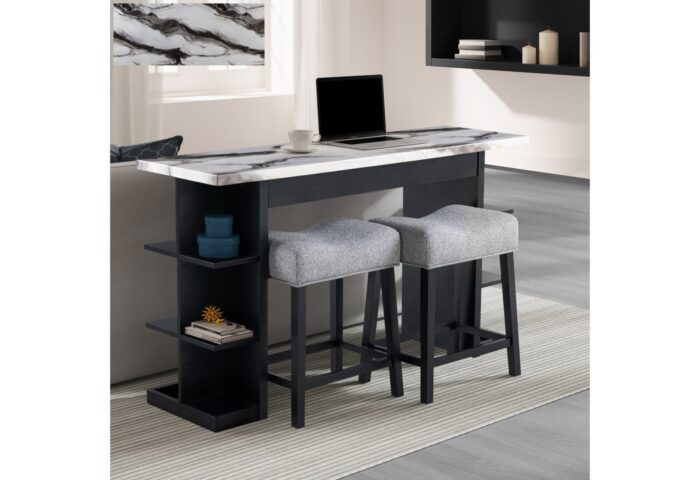
Upholstered stools provide comfort but require more maintenance. Fabric choices, like polyester blends, are both durable and easy to clean. It's noted that upholstered stools should be spot cleaned regularly to maintain their appearance. Comfort meets style, however, which may be worth the extra effort. Balance aesthetics with practicality to choose wisely.
Create a comfortable kitchen space. Think about cushion density when picking upholstered options. Evaluate how easily you can coordinate your stools with existing furniture. Test for comfort by sitting before making a decision. Consider where you place these stools as well; high traffic areas might require sturdier selections. The perfect choice blends functionality and design seamlessly.
Style and Aesthetics: Matching Counter Stools to Your Kitchen Design
Choosing the right counter stools can enhance your kitchen's aesthetic appeal. Research shows that 70% of homeowners prioritize style when selecting furniture. Your kitchen design influences the type of counter stools you should consider. For a modern look, opt for sleek lines and neutral colors. Vintage kitchens, on the other hand, benefit from stools with intricate designs and warm tones.
Material selection is crucial. According to industry experts, wood stools add a cozy feel, while metal options can lend a more industrial vibe. Comfort is another factor; a stool with a padded seat can create an inviting atmosphere. Be cautious, as not every stool offers adequate support for long periods. The height of the stool must also match your counter. If the dimensions are off, your experience can be uncomfortable, leading to regret. Aim for a height difference of 10-12 inches between the seat and the counter.
Balance is key in creating a cohesive look. Some designers suggest mixing materials for a more dynamic appearance. However, this can be a gamble; too many styles may clash and detract from the overall design. Thoughtful consideration of your kitchen's color palette can guide your stool choices. Neglecting harmony could lead to a disjointed space, negatively impacting functionality and aesthetic appeal.
Comfort Factors: Ergonomics and Seat Cushions in Counter Stools
Choosing the right counter stools for your kitchen involves more than just aesthetics. Comfort is crucial, especially when you're spending time at your counter. A study by the International Journal of Industrial Ergonomics highlights the importance of ergonomics in seating. Proper support can reduce discomfort, enhancing the overall experience.
When selecting counter stools, consider seat cushions and back support. Stools without adequate cushioning can lead to discomfort after prolonged use. Research indicates that well-cushioned seats can decrease pressure points by up to 30%. Additionally, the height of the stool should align with your counter to promote a natural sitting posture. This can significantly reduce the risk of strain in your lower back.
Design choices matter, too. Upholstery materials should offer breathability, allowing for extended use without causing sweat or discomfort. However, not all materials meet these standards. It's essential to weigh aesthetics against functionality. Sometimes, a stylish stool can lack the comfort needed for everyday use. Make sure to test out different options before making a final decision.
Best Counter Stools Comfort Factors
Budgeting for Quality: Average Price Ranges for Durable Counter Stools
When selecting counter stools for your kitchen, understanding price ranges is crucial. The average price for a durable counter stool typically falls between $100 and $300. More economical options can start as low as $50. However, investing in quality pays off in the long run, as durable materials ensure longevity and comfort.
According to industry reports, a well-constructed stool can last upwards of ten years. Wooden stools may have higher upfront costs but offer excellent durability. Metal and plastic options provide versatility, though they may lack the same longevity. It's essential to balance your budget with the material's quality.
Consider the height and width of your counter when choosing stools. This ensures a comfortable fit at your bar or countertop. Always account for potential wear and tear, especially in high-use areas. By prioritizing quality, you can avoid frequent replacements, ultimately saving money. Look for stools that offer a warranty, as this can reflect manufacturer confidence in their product's durability.
Best Counter Stools for Your Home Kitchen Needs
| Style |
Material |
Height (inches) |
Price Range ($) |
Durability Rating |
| Classic Wooden |
Wood |
24 |
100 - 200 |
4.5/5 |
| Modern Metal |
Metal |
26 |
80 - 150 |
4/5 |
| Swivel Bar Stool |
Vinyl & Metal |
30 |
150 - 250 |
4.7/5 |
| Upholstered Stool |
Fabric & Wood |
24 |
120 - 220 |
4.3/5 |
| Transparent Acrylic |
Acrylic |
24 |
100 - 180 |
4.2/5 |