


China Top Bedroom Furniture Sets Manufacturers for Buyers

Choosing China’s top bedroom furniture sets manufacturers is not just a price comparison. Buyers need to assess construction, materials, customization, and communication before requesting samples. A showroom photograph may show a smooth oak finish, but the drawer runners, edge treatment, and back panels tell a fuller story. Ask for clear specifications, finish samples, packaging details, and written confirmation of what each set includes. Small differences matter.

Interior designer Ilse Crawford has said, “Design is a tool to enhance our humanity. It’s a frame for life.” That idea fits bedroom furniture: a bed, wardrobe, and nightstands should support everyday routines, not only look coordinated in a catalog. For buyers, reliable manufacturers make those details easier to verify. They explain material options, confirm dimensions, and show how finishes may vary between samples and production. Look for evidence of quality control and ask how the supplier handles changes or defects. Still, a polished website is not proof of a dependable factory. That is worth remembering.

This guide introduces Chinese manufacturers and the questions buyers can use to compare them. Consider room size, storage needs, preferred materials, order quantities, and delivery arrangements before narrowing the list. Request current product information rather than relying on broad claims. A well-chosen bedroom furniture sets supplier can make sourcing more predictable, though no checklist removes every risk. Samples can differ. Ask again when something is unclear.
China Top Bedroom Furniture Sets Manufacturers for Buyers

Overview of China's Bedroom Furniture Manufacturing Industry

China’s bedroom furniture industry combines large-scale production with a wide range of specialist workshops. Manufacturing activity is concentrated in several coastal provinces, including Guangdong, Zhejiang, Jiangsu, and Shandong. Some factories focus on solid-wood beds and wardrobes; others produce engineered-wood collections for export. The sector serves different price levels and order sizes, but capabilities vary considerably between suppliers. Details matter.

Production commonly covers panel cutting, drilling, edge finishing, assembly, and packaging. Materials may include solid wood, plywood, particleboard, and medium-density fiberboard. Reliable manufacturers track board thickness, moisture levels, hardware fit, and surface consistency. They may also conduct checks for stability and finish quality before packing. However, testing methods and documentation are not identical across the industry. Buyers should ask for measurable specifications rather than relying on broad quality claims.

The manufacturing ecosystem benefits from established component suppliers, skilled labor, and mature export logistics. Custom dimensions, colors, and storage features are often possible, though changes can affect lead times and minimum order quantities. A sample helps reveal details that photographs miss, such as drawer movement, edge seams, and the feel of a finish. That varies. Factory visits, production records, and clear inspection criteria can provide a more dependable picture, while packaging deserves attention because bulky bedroom sets can be damaged in transit. The picture is not perfectly uniform, and a polished sample may not represent every production run.

Types of Bedroom Furniture Sets Made in China

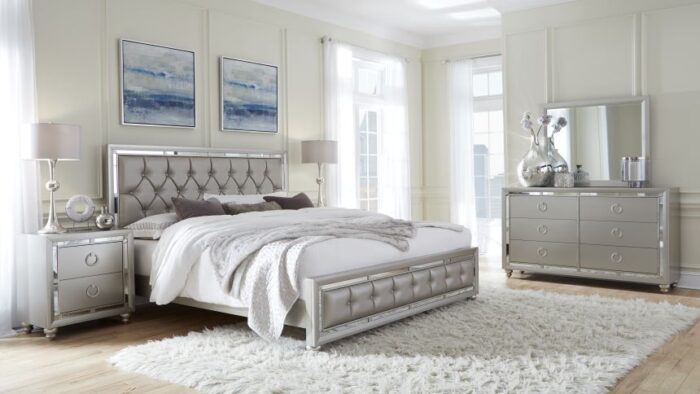
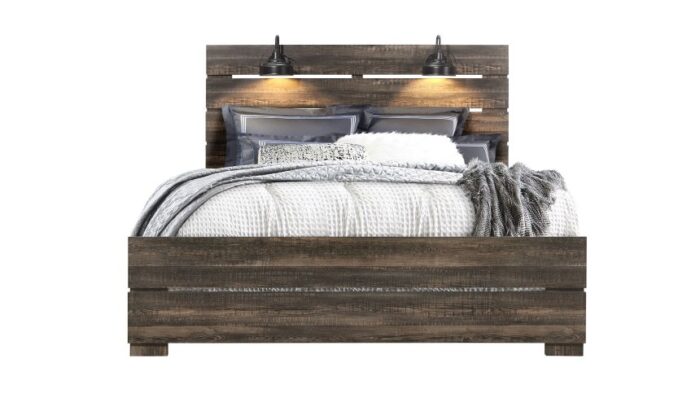
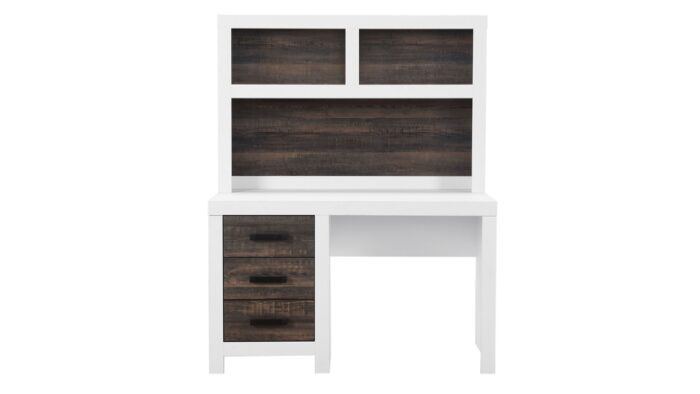
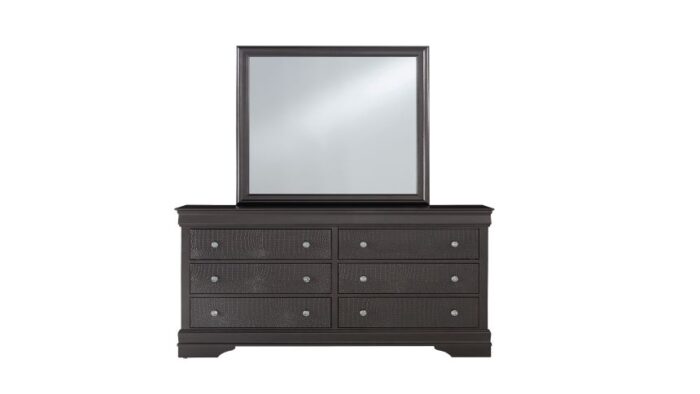
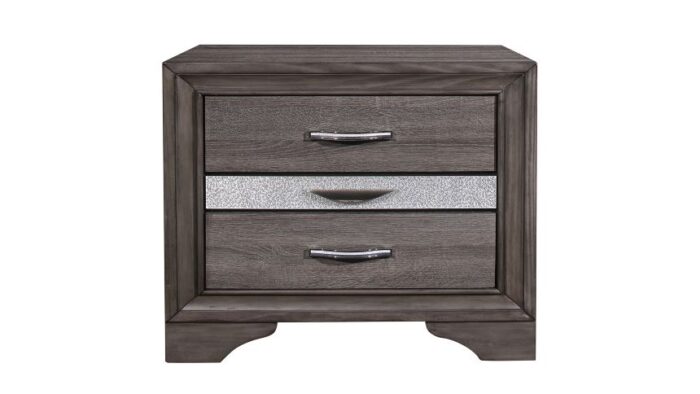
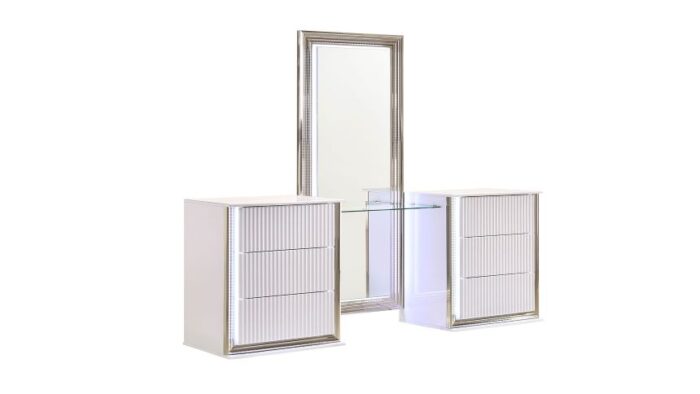
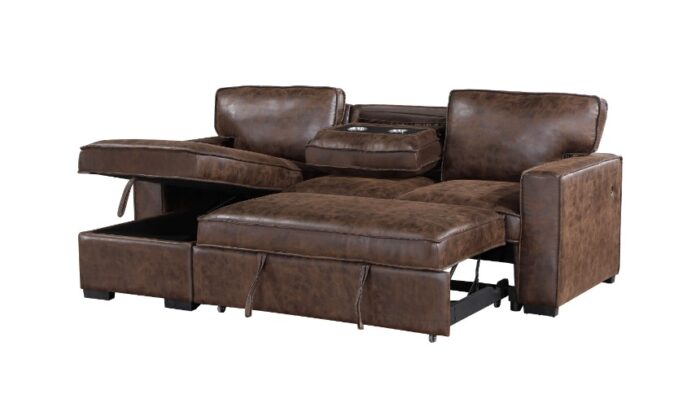
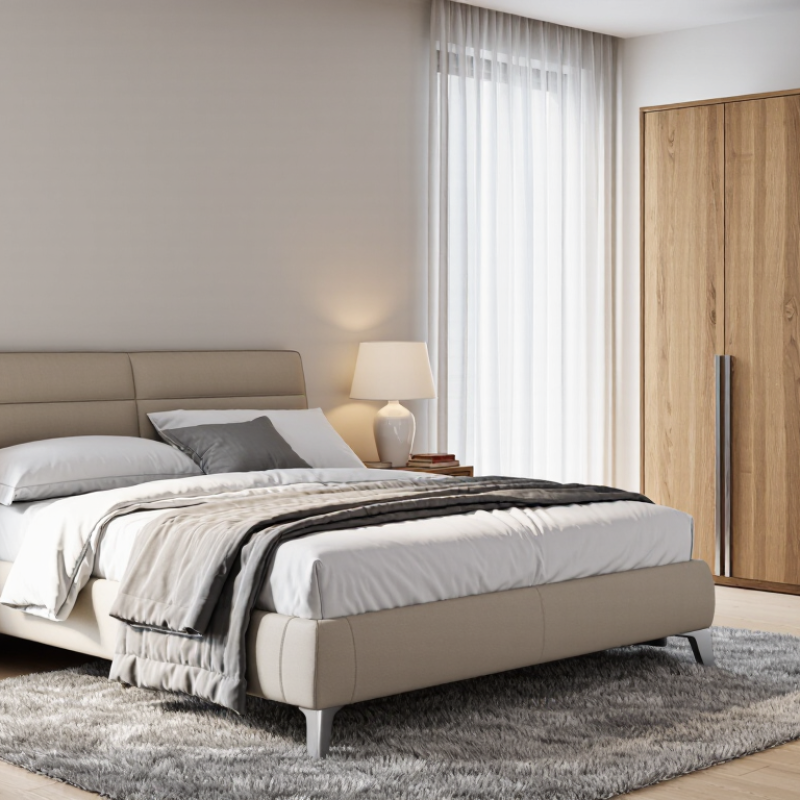
China-made bedroom furniture sets come in several practical styles. Platform sets pair a low bed frame with matching nightstands and a dresser. They suit rooms where a clean, uncluttered look matters. Panel-bed sets use a headboard and footboard, often with coordinated storage pieces. Upholstered headboards add a softer surface, while wood or engineered-wood panels are easier to wipe clean. Some manufacturers also offer storage beds with drawers beneath the frame. Check drawer clearance before choosing one; thick rugs can make them awkward to open. Wardrobes may be included, but sizes and interior layouts vary.

Materials and construction differ between factories and product ranges. Solid wood can show natural grain and small color variations. Engineered wood often allows consistent finishes and more flexible designs. Ask for clear details on board thickness, hardware, edge treatment, and finish care. A showroom sample may not capture every production detail, so request current photos or a sample finish when possible. Small gaps or uneven alignment deserve attention. They may indicate a quality-control issue, or simply a setup problem that needs clarification.

Tips: Measure the room, doorways, and stair turns before ordering. Confirm mattress dimensions and whether slats are included. Request a written list of each set component, plus packaging and assembly details. Compare finish samples in daylight. One lesson buyers sometimes learn late: a matching set can look cohesive, yet leave too little storage for daily use.

Profiles of Notable Chinese Bedroom Furniture Manufacturers

China’s bedroom-furniture makers span solid-wood workshops, panel-furniture factories, and upholstered-bed producers. Each serves a different buying need. Solid-wood specialists often emphasize visible grain, joinery, and repairability; buyers should ask about wood species and moisture control. Modular manufacturers focus on repeatable dimensions, wardrobes, and flat-pack shipping. Measure doorways carefully. Upholstered-bed makers offer fabric and headboard options, but buyers should check frame materials and access to replacement parts.

China National Furniture Association’s 2023 industry review reported RMB 655.9 billion in revenue among large-scale furniture manufacturers, down 4.4% year on year. That figure describes a broad sector, not bedroom furniture alone, so it should not be treated as a quality score. For buyers, useful factory questions include panel-emission documentation, hardware specifications, sample approval, and inspection procedures. Ask for close-up photos of drawer runners and bed-frame joints. Details matter. I would also leave room for an awkward truth: a polished showroom sample does not guarantee consistent production. Written tolerances and checks on a pre-shipment sample help expose gaps.

How Buyers Can Compare Manufacturers and Products

When comparing bedroom furniture manufacturers, ask for evidence tied to the exact product, not just showroom photographs. Request drawings, panel specifications, finish details, warranty terms, and recent third-party test reports. Check whether the report names the same materials and construction being quoted. A certificate for a different panel is not enough. Small details matter.

For engineered-wood components, the U.S. EPA’s TSCA Title VI limits provide a useful technical benchmark: formaldehyde emissions are capped at 0.09 ppm for particleboard, 0.11 ppm for medium-density fiberboard, and 0.05 ppm for hardwood plywood. Ask suppliers for test documentation showing the relevant panel category and results. Then compare practical features: drawer movement under load, bed-frame joint design, edge-banding quality, and replacement-part availability. Request close-up photos of drawer corners and unfinished panel edges; these reveal more than broad catalogue shots. Compare the same bed size and storage configuration across quotations, since a lower price may reflect thinner panels or fewer fittings. Even careful checks have limits. Test reports may not capture long-term wear in a humid home, so treat them as evidence, not a guarantee.

China Bedroom Furniture Manufacturers: Buyer Comparison Criteria

Use these suggested evaluation weights to compare manufacturers and bedroom furniture sets. They are a sample buyer scorecard, not market statistics; adjust them to fit your project.

Sourcing, Customization, and Quality Checks for Buyers

Sourcing a bedroom set should begin with a written specification, not a showroom photo. Grand View Research estimated the global furniture market at USD 736.6 billion in 2023, reflecting a broad and competitive supplier base. Ask each manufacturer for material grades, dimensional tolerances, finish samples, and packaging details. Custom sizing can solve awkward layouts, but confirm bedside clearances and drawer access on a floor plan before approving production. Small gaps matter.

Quality checks should cover more than appearance. Request a pre-production sample, then compare its veneer pattern, color, and hardware with the approved specification. During inspection, test drawers repeatedly, check bed-frame joints for movement, and inspect concealed surfaces for rough edges or glue marks. EPA’s TSCA Title VI limits formaldehyde emissions from composite wood, including 0.09 parts per million for particleboard and 0.11 for medium-density fiberboard. Ask suppliers for compliant product documentation rather than relying on a verbal assurance. A perfect sample is not proof that every production unit matches it. That part is easy to overlook. I would also record any agreed changes in writing; even a small finish adjustment can become a costly disagreement later.

Start typing to see products you are looking for.
Sign in

No account yet?

NewSale
SHARE YOUR CART