Best Bar Stools for Global Buyers in 2026?
As we look towards 2026, the bar stools market continues to evolve, influenced by shifts in consumer preferences and design trends. According to a recent industry report by Grand View Research, the global bar stools market is projected to reach $5 billion by the end of this decade. This growth reflects a rising demand for stylish yet functional seating solutions in both residential and commercial spaces.
Design innovations and sustainability are key factors shaping this market. Buyers are increasingly seeking bar stools that not only enhance aesthetics but also offer durability. Materials like reclaimed wood and eco-friendly fabrics are gaining popularity. Yet, despite increasing options, many consumers struggle to find the perfect balance between comfort and style.
Moreover, various height options, adjustable features, and ergonomic designs are crucial for contemporary buyers. Yet, navigating the multitude of designs can be overwhelming. In this dynamic landscape, it's essential for buyers to remain informed and reflective about their choices. Ultimately, the best bar stools will cater to personal preferences while aligning with changing trends in 2026.
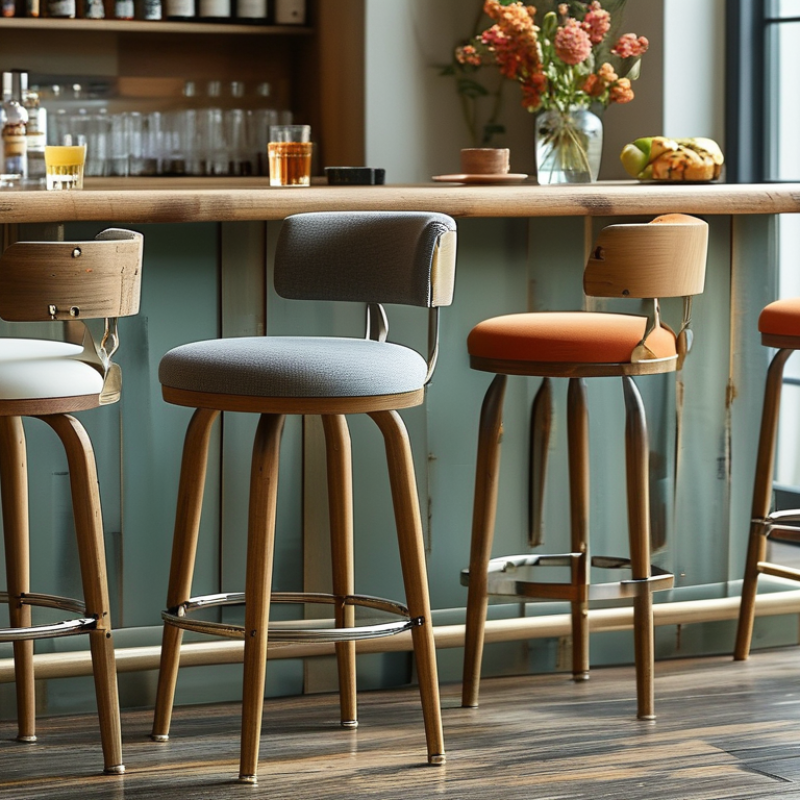
Trends in Bar Stool Design and Functionality for 2026
As bar stool design evolves, the focus in 2026 is shifting towards versatility and sustainability. Consumers increasingly favor eco-friendly materials and multifunctional designs. According to a recent industry report, 72% of buyers now consider the environmental impact of their furniture choices. Manufacturers are adapting, using reclaimed wood and recycled metals in their products. This trend reflects a growing awareness of sustainable living.
Functionality is also a key consideration for buyers. Many users seek bar stools that can adapt to various environments. A study by the International Furniture Association indicates that 65% of consumers look for adjustable height features. This flexibility allows stools to serve both kitchen islands and bar counters with ease. However, some designs fall short in providing adequate comfort for extended use. It's vital to blend style with ergonomics, ensuring long-lasting comfort.
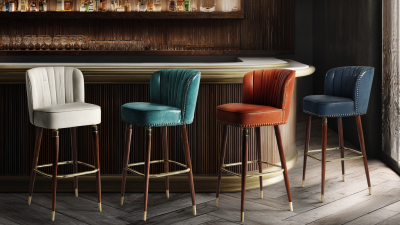
The color palette is another area of transformation. In 2026, rich, earthy tones are predicted to dominate, aligning with a desire for warmth in living spaces. Yet, the challenge remains: achieving cohesion while avoiding overwhelming spaces. Balancing bold colors with neutral bases prompts thoughtful design. As the market shifts, designers must remain vigilant about these evolving preferences to meet diverse consumer needs effectively.
Top Materials Used in Bar Stools: Durability and Aesthetics
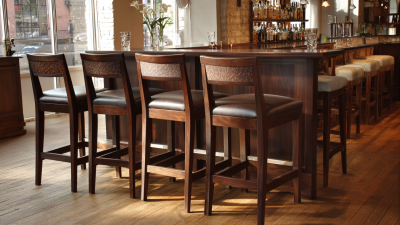
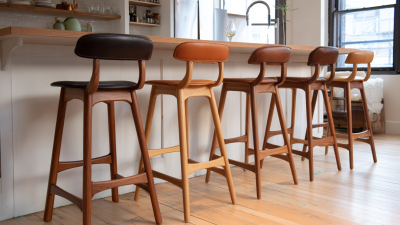
Choosing the right materials for bar stools can significantly impact their durability and aesthetic appeal. Common materials include wood, metal, and plastic. Each comes with its advantages and drawbacks. For example, wood offers warmth but may scratch easily. Metal is robust and sleek, yet it can be cold to sit on. Plastic is lightweight and inexpensive, but it might lack the premium feel of other options.
Tips for selecting materials: consider your space's style. If you have a rustic décor, wooden stools can blend beautifully. For a modern look, metal chairs add an industrial vibe. Don’t overlook the importance of comfort. Cushioned stools enhance the seating experience but require more maintenance, as stains may appear over time.
Pay attention to finishes, too. Powder-coated metal can resist rust, ensuring longevity. Oiled wood provides a rich texture but needs regular treatment. Remember, aesthetics should not compromise durability. Scratches or dents can detract from the overall look. Balancing form with function is key when investing in bar stools. Reflect on your choices to select the best materials for your lifestyle.
Best Bar Stools Materials: Durability and Aesthetics (2026)
This chart illustrates the durability scores of various materials commonly used in bar stools as of 2026. The scores highlight the durability of each material on a scale from 1 to 10, providing valuable insights for global buyers looking for bar stools that balance aesthetics with long-lasting quality.
Considerations for Choosing the Right Height and Style of Bar Stools
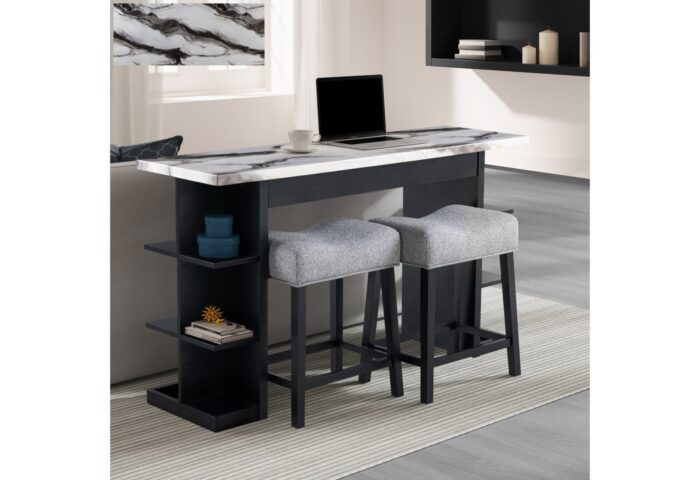
Choosing the right height for bar stools is crucial for comfort and functionality. Standard bar stools typically range from 28 to 32 inches tall. This height generally works with counter heights of 40 to 42 inches. However, there are variations based on personal preference and specific uses. Consider the height of your bar or counter before making a selection.
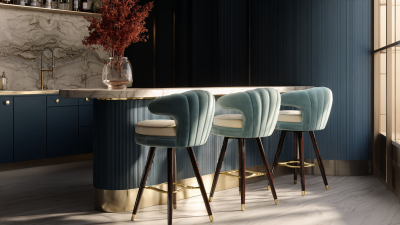
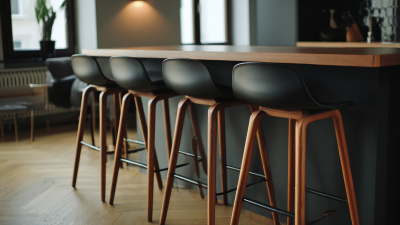
Style also plays a significant role in your choice. Modern designs feature clean lines, while traditional options might display intricate details. Materials vary too; wood offers warmth, while metal provides a sleek look. Pay attention to the finish and upholstery as well. These details can enhance your space and reflect your style. However, don’t overlook practicality. Some styles are more difficult to maintain.
Remember to think about how many stools you need. The spacing between them is essential for ease of movement. Too close can feel cramped, while too far makes conversations awkward. Assess your area before purchasing. Keep in mind that trends may change. What seems appealing now might feel outdated in a few years. Balancing taste with practicality requires careful thought.
Sustainable and Eco-Friendly Bar Stool Options for Conscious Buyers
Increasingly, consumers are prioritizing sustainability when selecting bar stools. Eco-friendly materials play a vital role in this decision. According to the Global Sustainability Report 2023, around 75% of buyers are willing to pay more for sustainable furniture options. This trend indicates a significant shift toward mindful consumption.
Recycled materials, such as reclaimed wood and metal, offer a unique aesthetic. They not only reduce waste but also contribute to a lower carbon footprint. Additionally, opting for locally sourced materials minimizes transportation emissions. This practice connects buyers to their local craftspeople and communities, fostering a sense of responsibility.
However, not all eco-friendly options meet rigorous standards. Some producers may label products as "green" while lacking transparency. This can mislead conscious consumers. The importance of verifying certifications, such as FSC (Forest Stewardship Council) and Cradle to Cradle, cannot be overstated. It ensures that your choices align with genuine sustainability goals, promoting a healthier planet for future generations.
Global Market Insights: Where to Buy the Best Bar Stools in 2026
In 2026, the global bar stool market is expected to reach significant heights, driven by a rise in home renovations and evolving design trends. According to a recent market analysis, the demand for stylish and functional bar stools is projected to grow by 8% annually. Buyers from various regions are actively seeking high-quality options that combine comfort with aesthetics.
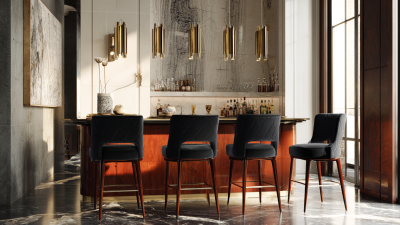
When purchasing bar stools, consider the material and height. Many buyers prefer seats made of durable materials like metal and wood, as they offer longevity. Choosing the right height is essential to prevent discomfort. Counter-height stools are ideal for kitchen islands, while bar-height stools suit traditional bars.
It's important to remember that not all bar stools ensure comfort. Some designs can be visually appealing but may lack adequate support. Test the stool before buying, especially if you're purchasing online. Look for reviews from other customers; they often provide insights into comfort and durability. Stay informed, as trends in bar stools can shift quickly, making it crucial to adapt your choices based on current styles.