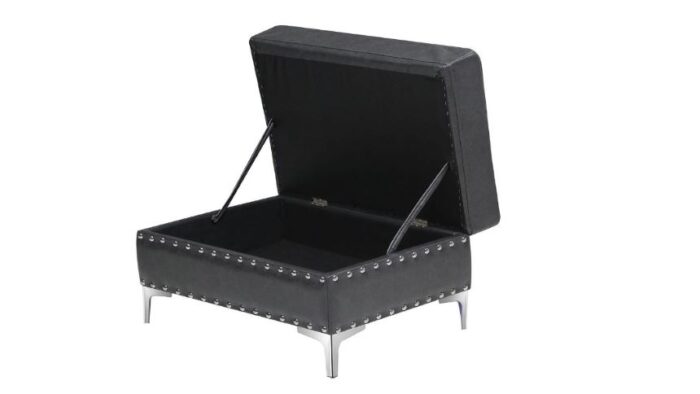
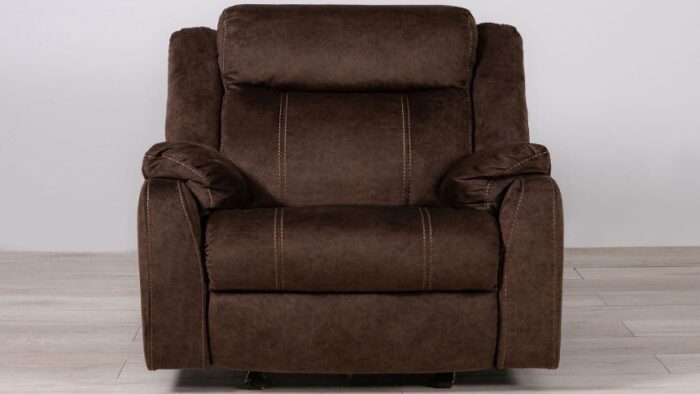
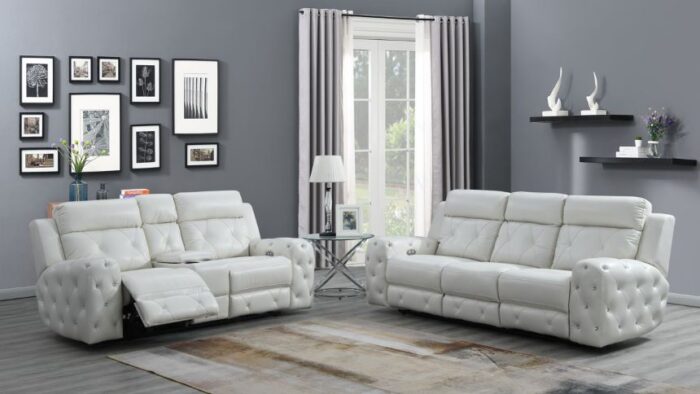
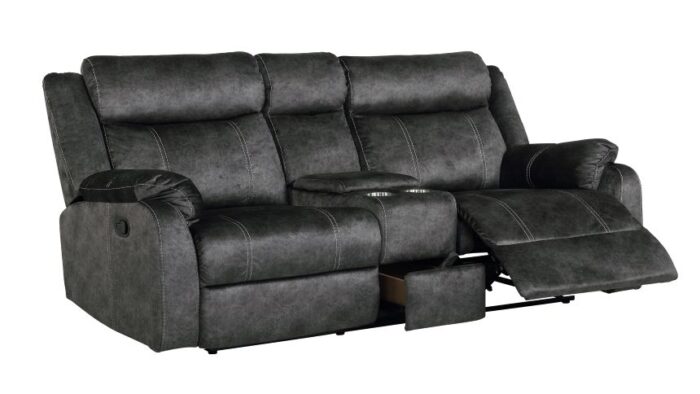
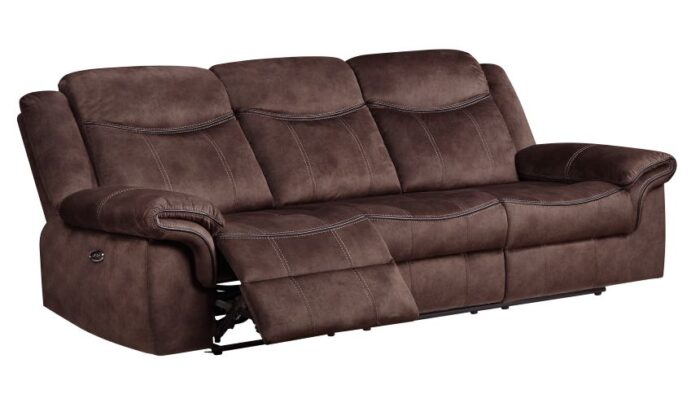
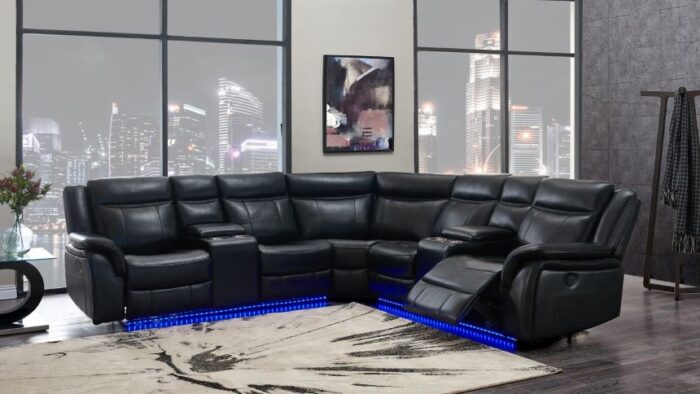
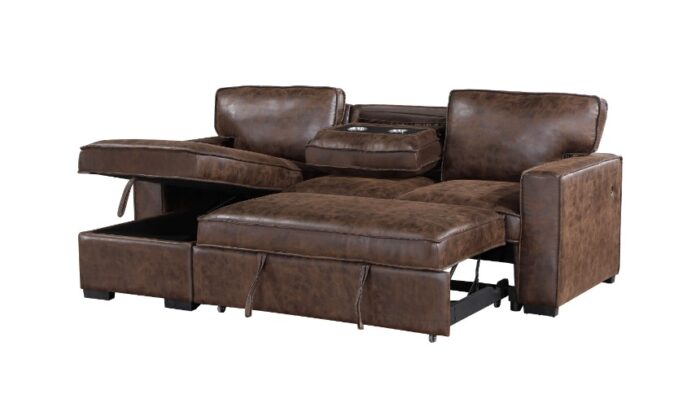
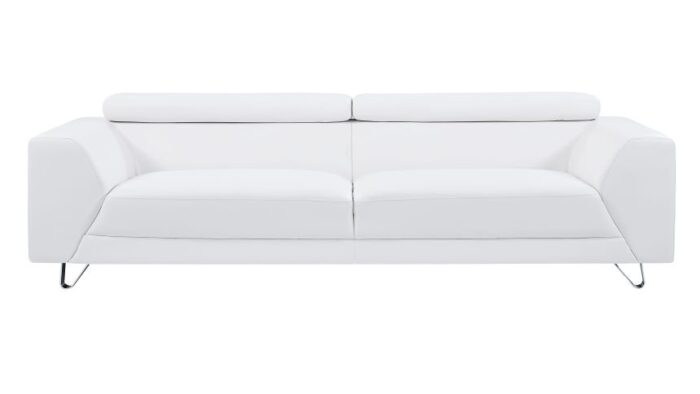

What Are China Top 10 Leather Sectional Manufacturers?
China’s leather sectional industry combines large-scale production with increasingly refined design and material control. This guide examines ten manufacturers that attract attention from international buyers, hospitality projects, and residential furniture brands.
The ranking is not based on factory size alone. It considers leather selection, frame construction, foam resilience, stitching accuracy, customization capacity, export experience, warranty terms, and after-sales communication. A showroom sample can look impressive under bright lights. The real test appears after months of sitting, cleaning, moving, and daily family use.
David Mesquita, a leather-care specialist and founder of Leather Spa, offers a useful principle: “A leather sectional should be judged by how it ages, not how it shines on delivery day.” That idea shapes this review. Full-grain, top-grain, corrected-grain, and bonded leather can create very different ownership experiences. Buyers should ask direct questions about hide origin, surface treatment, color consistency, and repair support.
Some manufacturers provide detailed technical sheets. Others rely heavily on attractive photographs. That gap matters. Public information can also be incomplete, and supplier rankings may change as factories expand or alter their quality systems. This is an imperfect comparison, not a permanent verdict.
Readers will find practical notes on production strengths, design range, minimum order quantities, customization, and buyer suitability. The goal is not to praise every company equally. It is to identify manufacturers worth closer inspection before a leather sectional order reaches the contract stage.
Defining China’s Leather Sectional Manufacturing Industry
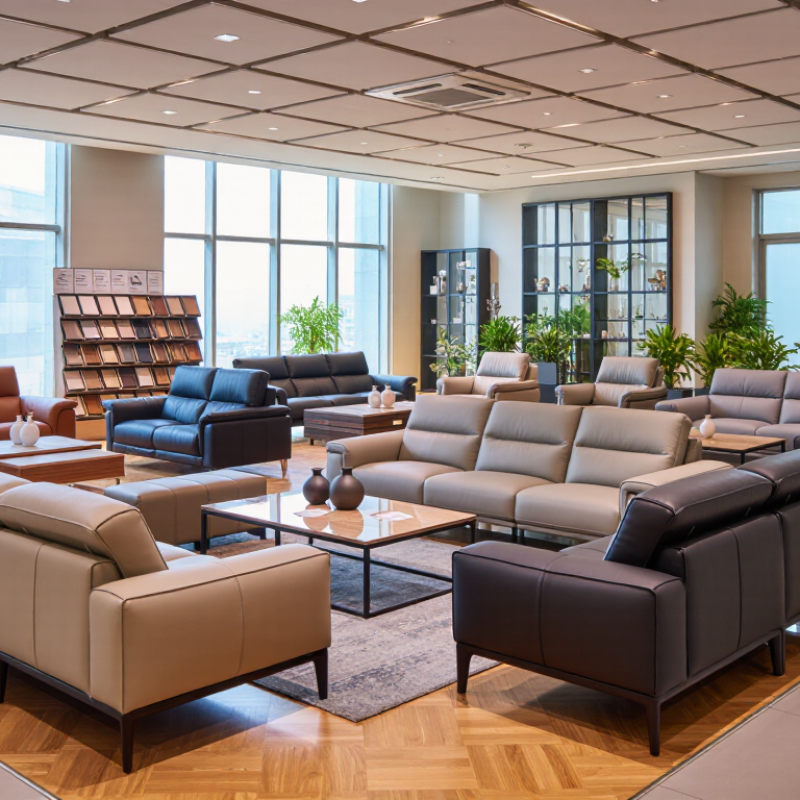
China’s leather sectional manufacturing industry combines skilled upholstery work, organized supply chains, and flexible production capacity. The “top 10” should not be judged by factory size alone. A stronger assessment considers leather consistency, frame construction, stitching accuracy, testing records, and delivery performance.
Experienced buyers usually inspect production samples before approving large orders. They check the leather grain under direct light, press the seat cushions repeatedly, and examine corner seams closely. A solid sectional should feel stable, not merely look impressive. Kiln-dried hardwood frames, reinforced joints, high-density foam, and corrosion-resistant hardware can improve long-term performance. Small details matter.
Factory communication also defines industry quality. Reliable manufacturers provide material specifications, inspection reports, production photographs, and clear packaging plans. They should explain leather grading without vague promises. Some suppliers offer excellent samples but struggle with consistent mass production. That gap deserves attention. No factory is perfect. Even experienced teams can face shade variation, delayed hardware, or minor stitching defects. The important question is how quickly they identify and correct problems.
Environmental responsibility is becoming more important across China’s furniture supply chain. Buyers may request traceable materials, lower-emission adhesives, responsible wastewater handling, and documented workplace procedures. These checks support more dependable sourcing. Price still matters, but an unusually low quotation may reflect thinner leather, weaker foam, or reduced inspection. Careful evaluation reveals whether a manufacturer can deliver comfort, appearance, and consistency beyond the showroom sample.
| Anonymous Profile | Major Manufacturing Cluster | Primary Manufacturing Focus | Leather Options | Frame Construction | Cushion Configuration | Customization Level | Typical MOQ | Typical Production Lead Time | Common Compliance Documentation |
|---|---|---|---|---|---|---|---|---|---|
| Profile 01 | Foshan, Guangdong | Export-oriented leather sectional production with modular and reclining collections | Top-grain leather Split leather PU alternatives | Kiln-dried hardwood, plywood, reinforced corner blocks | High-resilience foam with removable seat cushions | High | Usually 1–5 sets per SKU | Approximately 30–55 days | Material test reports, carton specifications, factory audit support |
| Profile 02 | Jiaxing, Zhejiang | Modern residential sectionals designed for container-based wholesale orders | Corrected-grain leather Semi-aniline leather Microfiber | Solid wood rails with engineered-wood structural panels | Loose-back and loose-seat configurations with layered foam | Medium–High | Usually 5–10 sets per SKU | Approximately 35–60 days | REACH-related material declarations, packaging tests, inspection records |
| Profile 03 | Haining, Zhejiang | Leather upholstery manufacturing with emphasis on surface finishing and color matching | Top-grain leather Nubuck Vintage-finish leather | Hardwood and plywood frame systems with metal reinforcement | Foam, pocket-spring, and webbing combinations | High | Usually 3–8 sets per SKU | Approximately 40–65 days | Leather thickness reports, colorfastness testing, pre-shipment inspection |
| Profile 04 | Anji, Zhejiang | Contemporary modular sofas and compact sectionals for apartments and hospitality projects | Full-grain leather Top-grain leather Performance leather | Solid-wood perimeter frame with plywood load-bearing areas | High-density foam, fiber-fill backs, removable covers on selected models | High | Usually 1–10 sets per SKU | Approximately 35–60 days | Load testing, upholstery composition records, packing and drop-test reports |
| Profile 05 | Dongguan, Guangdong | Contemporary and smart reclining leather sectionals for overseas retailers | Top-grain leather Leather match Synthetic leather | Metal reclining mechanisms combined with hardwood and plywood structures | Foam seat cores with powered headrest and footrest options | High | Usually 5–20 sets per SKU | Approximately 45–75 days | Electrical safety files, mechanism testing, EMC-related documentation where applicable |
| Profile 06 | Quanzhou, Fujian | Value-focused leather-look and leather-match sectionals for mass-market distribution | Split leather Leather match PVC and PU | Engineered wood with selected solid-wood support components | Standard foam cushions with fixed or semi-attached backs | Medium | Usually 10–30 sets per SKU | Approximately 30–50 days | Basic material declarations, carton marking, pre-shipment inspection |
| Profile 07 | Xiamen, Fujian | Mid-market upholstered furniture with coordinated living-room collections | Top-grain leather Corrected-grain leather Microfiber | Kiln-dried hardwood combined with plywood and reinforced joints | High-resilience foam with fiber-wrapped back cushions | Medium–High | Usually 5–15 sets per SKU | Approximately 35–60 days | Colorfastness reports, foam specifications, packaging and inspection records |
| Profile 08 | Ningbo, Zhejiang | Flat-pack and space-efficient sectional designs for online and retail channels | Performance leather PU alternatives Leather match | Engineered wood frame with steel connectors and reinforced support rails | Modular foam blocks with removable and replaceable covers | High | Usually 5–20 sets per SKU | Approximately 30–55 days | Packaging drop tests, assembly instructions, material and load-test records |
| Profile 09 | Suzhou, Jiangsu | Premium residential and contract furniture with refined upholstery detailing | Full-grain leather Semi-aniline leather Nubuck | Seasoned hardwood frame with plywood panels and metal brackets | Multi-density foam, feather-blend options, and tailored seat cushions | High | Usually 1–5 sets per SKU | Approximately 45–75 days | Leather origin documentation, durability testing, factory quality records |
| Profile 10 | Shenzhen, Guangdong | Design-led, customizable sectionals combining upholstery with functional hardware | Top-grain leather Aniline leather Performance leather | Hardwood and plywood structures with optional metal modular connectors | High-density foam, adjustable headrests, USB modules, and reclining options | Very High | Usually 1–10 sets per SKU | Approximately 45–80 days | Electrical documentation, product safety testing, inspection and traceability records |
| Industry reference note: The profiles are anonymized and organized around established Chinese furniture manufacturing clusters and commonly documented leather sectional production practices. MOQ, lead time, materials, testing, and customization depend on the selected design, order volume, specifications, and destination-market requirements. | |||||||||
Related Posts
-
Top Leather Sectional Sofa Suppliers Worldwide
-
Choosing the Right Manufacturer for the Best Modern Bar Stools
-

Transform Your Home: 7 Dining Set Trends That Elevate Your Dining Experience in 2024
-

7 Compelling Reasons to Choose Counter Stools for Your Modern Home Decor
-
Best Counter Stools for Your Home Kitchen Needs?
-
10 King Bed Buying Tips for Global Buyers