

10 Best Reclining Sectionals for Comfort and Value

A reclining sectional can make a living room feel more inviting, but comfort depends on more than plush cushions. Seat depth, back support, reclining range, and the space needed behind each seat all matter. Grand View Research valued the global furniture market at $677.09 billion in 2022 and projected 5.0% annual growth from 2023 through 2030. That broad market estimate signals sustained interest in home furnishings; it does not measure reclining sectionals specifically. The distinction matters.

Ergonomics researcher Alan Hedge of Cornell University is often quoted as saying, “The best posture is your next posture.” A reclining sectional supports that idea when its seats let people shift positions comfortably. Still, one showroom test—or one appealing product photo—cannot tell the whole story. A footrest may feel relaxing but crowd a narrow walkway. A roomy chaise can look generous yet overwhelm a smaller room. This guide compares ten models for comfort and value, considering practical details such as upholstery, controls, seating capacity, and room fit. We also weigh trade-offs, because the lowest price is not always the best value, and “comfortable” is personal. Check dimensions carefully. Then consider how the sectional will feel during an ordinary evening, not just a quick test.
10 Best Reclining Sectionals for Comfort and Value

What a Reclining Sectional Is and How It Works

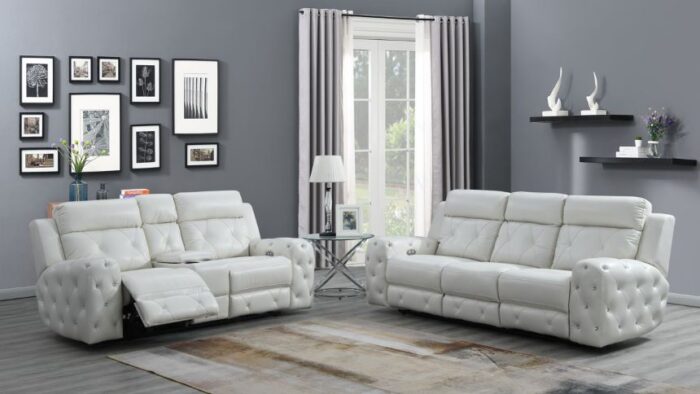
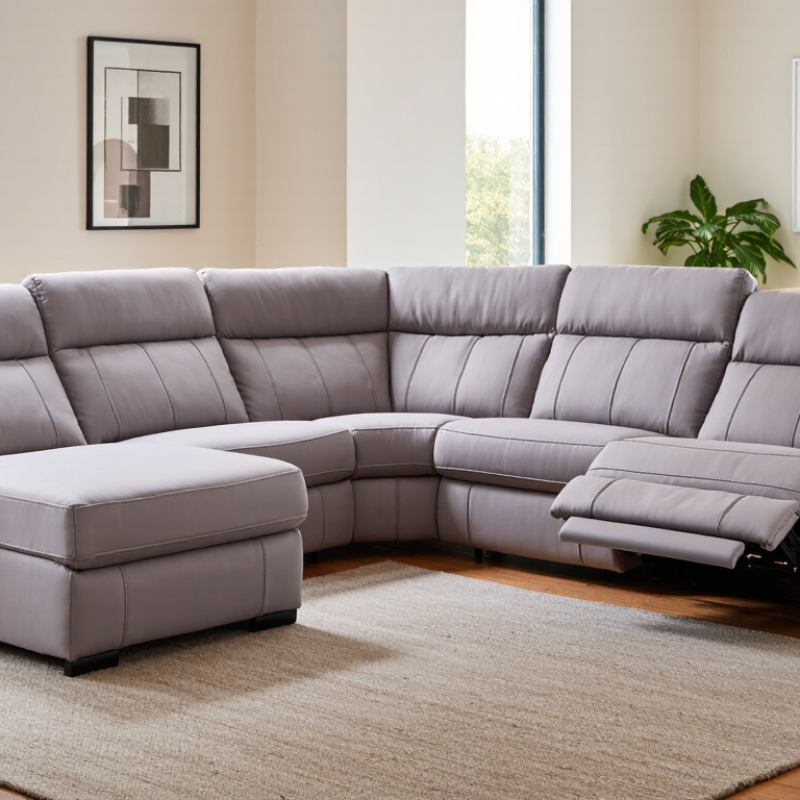
A reclining sectional combines multiple connected seats with one or more reclining places. Unlike a standard sectional, it has moving parts that let a seated person extend a footrest and lean back. The layout may include a chaise, corner seat, or console with cup holders. Not every seat reclines.

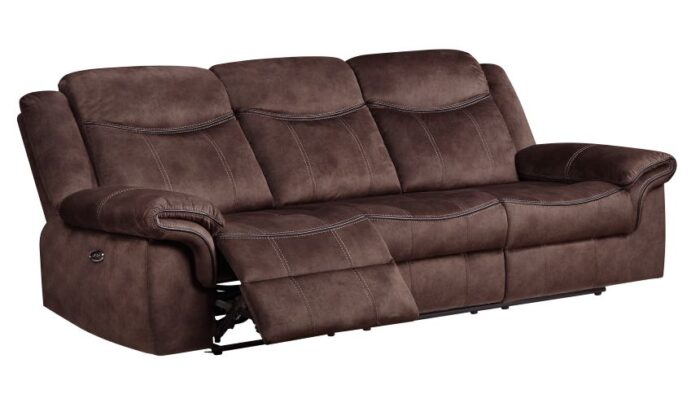
Manual models usually release with a lever or pull tab. Power models use a button to move the footrest and backrest, often independently. Inside, a metal linkage supports the motion; powered versions also contain a motor and wiring. The exact movement varies by design. Some backs tilt as the footrest rises, while others offer separate adjustments. Leave enough room for the mechanism to open, and check whether the sectional needs clearance behind it. A wall-hugging design may move forward as it reclines, but it still needs space.

The mechanism affects everyday use. A manual lever can be simple, though it may take more effort to operate. Power controls are convenient, but the seat needs access to an outlet, and cords should not be pinched beneath furniture. Try each reclining seat if possible. Notice whether the footrest supports your lower legs and whether the back feels stable. A plush cushion can feel inviting at first, yet comfort depends on fit and support. That part is personal. Check the product’s dimensions, reclining instructions, and care guidance before choosing.

Reclining Mechanisms, Configurations, and Upholstery Options

A reclining sectional’s mechanism changes how it fits a room, not just how it feels. Manual seats use a lever or body pressure, while power models move with a button and may offer finer positioning. Check the full reclined depth before buying; a sofa that fits upright can press against a coffee table when extended. Leave room for footrests and walkways. Small detail, big difference.

Configurations shape how people share the space. A chaise works well for stretching out, while a corner seat can make a larger group feel connected. Modular pieces offer flexibility, but confirm that recliners can be placed where needed and that power cables can reach an outlet safely. Measure doorways and stair turns, too. I’d recheck those numbers; they’re easy to misread.

Upholstery affects upkeep as much as appearance. Tightly woven performance fabrics can be practical for frequent use, while leather-like surfaces are easy to wipe but may feel cool or sticky depending on the room. Ask for cleaning instructions and inspect swatches in daylight. Texture matters. A pale fabric may show denim transfer, and a plush nap can reveal pressure marks after daily sitting. The best choice depends on who uses the sectional and how much maintenance feels realistic.

How Comfort and Value Are Assessed

Comfort is assessed through more than a quick sit. Reviewers consider seat depth, cushion firmness, back support, and how easily each section reclines. A useful test lasts at least 20 minutes, with feet raised and the backrest adjusted to several positions. Small details matter. Check whether the footrest supports the calves without pressing behind the knees, and whether the headrest stays comfortable while reading or watching a screen.

Value is weighed against materials, construction, usable features, and expected upkeep—not just the listed price. A sturdy frame, smooth reclining mechanism, and removable cushion covers may justify a higher cost. Measure the room, doorway, and full reclined footprint before comparing prices; a sectional that cannot fit comfortably is poor value. Reviewers should also note assembly needs, warranty terms, and whether every seat reclines or only selected sections. Those differences can change how useful a layout feels day to day.

Comparisons work best when the same checks are applied to every model. Record pressure points, noise, wobble, and how much floor space the footrest needs. Not every body agrees. One tester may prefer a firm seat, while another needs softer cushioning or stronger lumbar support. That limitation deserves mention, rather than pretending one score fits everyone.

10 Best Reclining Sectionals for Comfort and Value — How Comfort and Value Are Assessed

This comparison ranks common reclining-sectional configurations by likely comfort, everyday practicality, and value. It is a category-level buying guide, not a test of specific products. Comfort and value scores are editorial assessments, not independently measured product ratings.

Rank Sectional configuration Comfort profile Value strengths Potential trade-off Comfort score Value score Best suited to
1 Three-seat, two-recliner L-shape Two people can recline independently while another uses the center seat. Balances shared seating and reclining without requiring a very large layout. Reclining footrests need clearance; the center seat may have fewer features. 9/10 9/10 Most households seeking an all-around option
2 Compact two-seat reclining sectional Provides recliner-style support in a smaller seating arrangement. Uses less floor space and may cost less than larger multi-seat layouts. Limited seating for guests; confirm the fully reclined footprint before buying. 8/10 9/10 Apartments, small rooms, or couples
3 Power-reclining L-shape with adjustable headrests Powered movement and adjustable head support allow more position fine-tuning. Useful for people who value easy, gradual adjustments and frequent reclining. Usually costs more than manual designs and needs access to power. 9/10 7/10 Frequent recliner users who prioritize adjustability
4 Manual-reclining L-shape Offers reclining positions without powered controls. A simpler mechanism can keep the purchase price and electrical requirements lower. Reclining requires manual effort; mechanisms and operating styles vary. 8/10 8/10 Shoppers seeking straightforward functionality
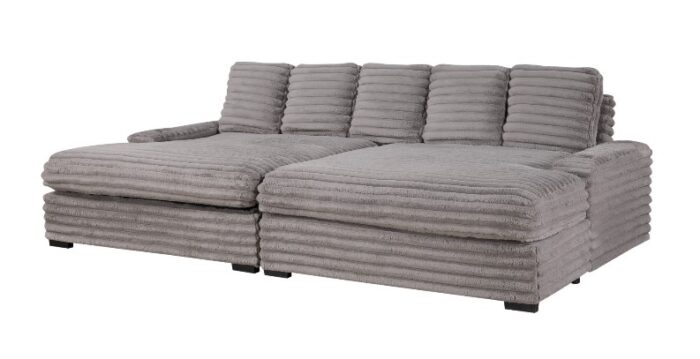
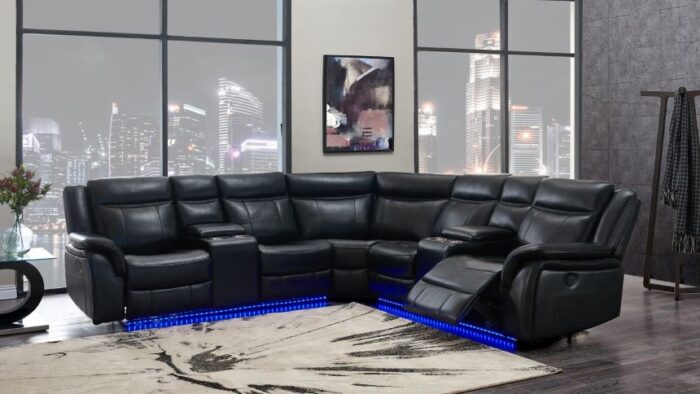
5 Reclining sectional with a chaise The chaise gives one person a stretched-out lounging position; other seats may recline. Combines relaxed leg support with conventional sectional seating. The chaise itself may not recline, and the layout can take up substantial floor space. 9/10 8/10 Lounging, reading, and casual family rooms
6 Wall-hugger reclining sectional Designed to recline with less rear clearance than many traditional reclining designs. Can make reclining practical in rooms where furniture must sit closer to a wall. Still needs forward clearance; check the manufacturer’s required spacing for the exact model. 8/10 8/10 Rooms with limited space behind the sofa
7 Modular reclining sectional Reclining seats can be arranged with compatible modular pieces. Flexible layouts may adapt to a move or a change in room configuration. Compatibility, connectors, and the cost of additional modules require careful checking. 8/10 7/10 Homes that may need a reconfigurable layout
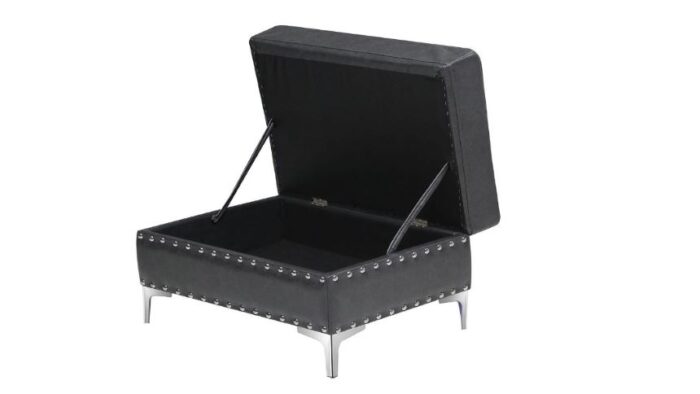
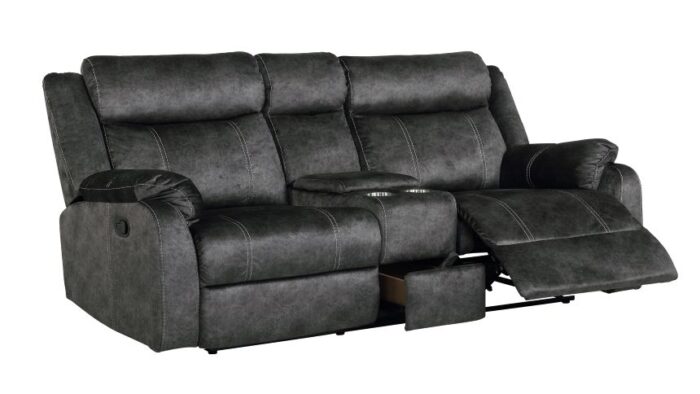
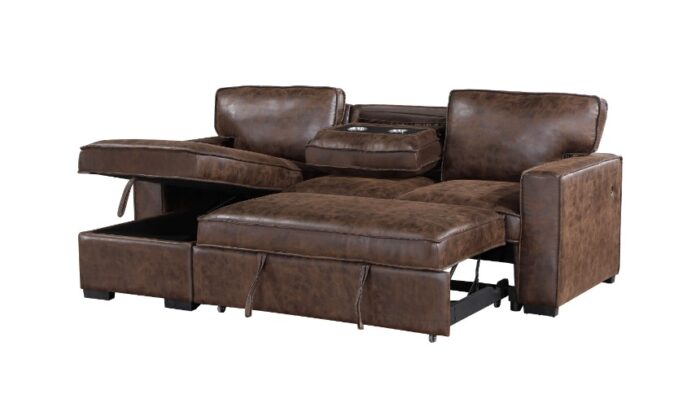
8 Reclining sectional with console storage A center console can add a convenient place for drinks or small items. Combines seating with practical storage and, on some models, cup holders. The console occupies a seating position and may not suit every household. 8/10 8/10 TV rooms and households that value built-in convenience
9 Performance-fabric reclining sectional Comfort depends on the seat cushioning and upholstery construction, not the fabric label alone. Some performance fabrics are designed for easier routine care; review the care instructions. Stain resistance and cleanability vary by fabric and finish; verify specific claims before purchase. 8/10 8/10 Busy households seeking easier day-to-day upkeep
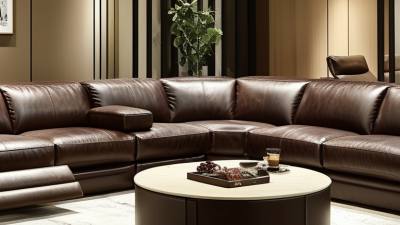
10 Leather-upholstered reclining sectional Leather feel and breathability vary by leather type, finish, and construction. Can be a long-term option when the material is suitable for the household and properly maintained. Often costs more; care needs and wear characteristics depend on the specific leather. 8/10 7/10 Shoppers who prefer leather and are comfortable with its care requirements

How comfort and value are assessed: Comfort considers reclining adjustability, leg and head support, seating flexibility, and practical room fit. Value considers useful features relative to likely cost, layout versatility, and everyday practicality. Scores are comparative editorial judgments; actual comfort, pricing, materials, dimensions, warranty coverage, and care requirements vary by product. Measure the room and check each product’s specifications before purchase.

Ten Reclining Sectionals Compared by Features and Price

A useful comparison of ten reclining sectional styles starts with how they move and what their features add to the price. A manual two-seat model is often the simpler, lower-cost choice, though its lever needs room beside the seat. A power two-seat version reclines at a button press but usually costs more and needs an outlet nearby. Three-seat manual and power layouts offer more room, with the powered option adding convenience for people who find levers difficult. A chaise-end sectional stretches out one leg at a time; check that its fixed side suits the room.

Console models add cupholders and storage, while USB-equipped versions keep a phone close. Adjustable headrests may improve support, but extra controls can feel fussy. Modular reclining pieces are easier to rearrange, although matching replacement sections may be harder to find. Wall-hugging designs need less distance from the wall, a practical feature in narrow rooms. Still, that neat ranking can mislead. Features overlap, and upholstery, frame construction, delivery, and warranties can shift the final price substantially.

Compare quoted totals, not just advertised starting prices. Sit in each style for several minutes and test every recliner, console lid, and control. Listen for uneven motor sounds. Measure doorways, too; I once underestimated a tight turn, and the sofa would not pass. Prices change by retailer and configuration, so confirm current costs and what service is included.

How to Match a Reclining Sectional to Your Room

A reclining sectional can feel generous in a showroom and overwhelming at home. Measure the full wall, nearby doorways, and the route into the room before choosing a layout. Then check the sofa’s depth when each footrest is extended. A few extra inches can block a walkway or leave a coffee table awkwardly out of reach. Measure twice.

Match the sectional’s shape to how people move through the room. A chaise may suit a wide, open corner, while a compact L-shape can preserve space beside a doorway. Leave clear paths to windows and other seats. If the room is narrow, compare the recliner’s open footprint with the space available; closed dimensions alone can be misleading. Also consider seat height and arm width, especially if several people will use the sofa.

Tips: Mark the sectional’s outline on the floor with painter’s tape, then test the recliners’ full reach. Keep roughly 30 to 36 inches for a main walking path where possible. Check outlet locations before settling on a layout, since power cords can limit placement. Light upholstery may brighten a dim room, but it can show everyday marks more easily. That trade-off is easy to underestimate.

How to Match a Reclining Sectional to Your Room

Illustrative room-planning examples, not product specifications. The chart estimates sectional width by leaving 3 feet at each end of the room for circulation; check the selected model’s dimensions and recline clearance before buying.

Start typing to see products you are looking for.
Sign in

No account yet?

NewSale
SHARE YOUR CART