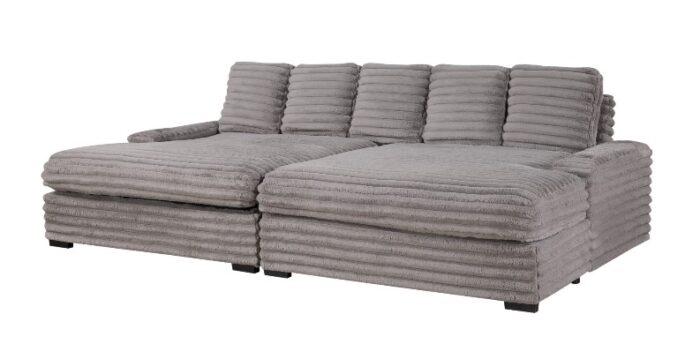
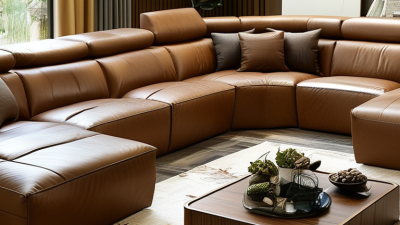
How to Choose the Right Leather Sectional?
Choosing the right leather sectional is not only a style decision. It affects comfort, room flow, cleaning habits, and daily living for years. A beautiful sofa can still feel wrong if its proportions overpower the room or its cushions lose support quickly.
Start by observing how your space is actually used. Measure the walls, doorways, elevator, and walking paths before browsing colors. A leather sectional with a deep chaise may suit relaxed evenings, but it can block circulation in a narrow living room. Leave enough space for cabinets, table edges, and opening doors. Small details matter.
Quality also deserves careful attention. Full-grain leather usually develops a richer patina, while corrected or coated leather may offer more uniform color and easier maintenance. However, labels can be confusing, and a higher price does not automatically prove better construction. Check the frame, stitching, cushion density, suspension system, and warranty. Sit in several positions. Notice whether your lower back feels supported after ten minutes, not only during a quick showroom test.
Think about real life. Children, pets, sunlight, denim, and frequent guests can change your priorities. Dark leather may hide marks, but it can show dust and feel warmer near a bright window. Light leather looks inviting, yet it requires more disciplined care. I once underestimated doorway clearance and learned that a sectional can be perfect indoors but impossible to deliver. That mistake is easy to prevent.
The best leather sectional balances evidence with personal comfort. Recheck your measurements, question dramatic sales claims, and choose materials you can maintain honestly. A practical decision usually ages better than an impulsive one.
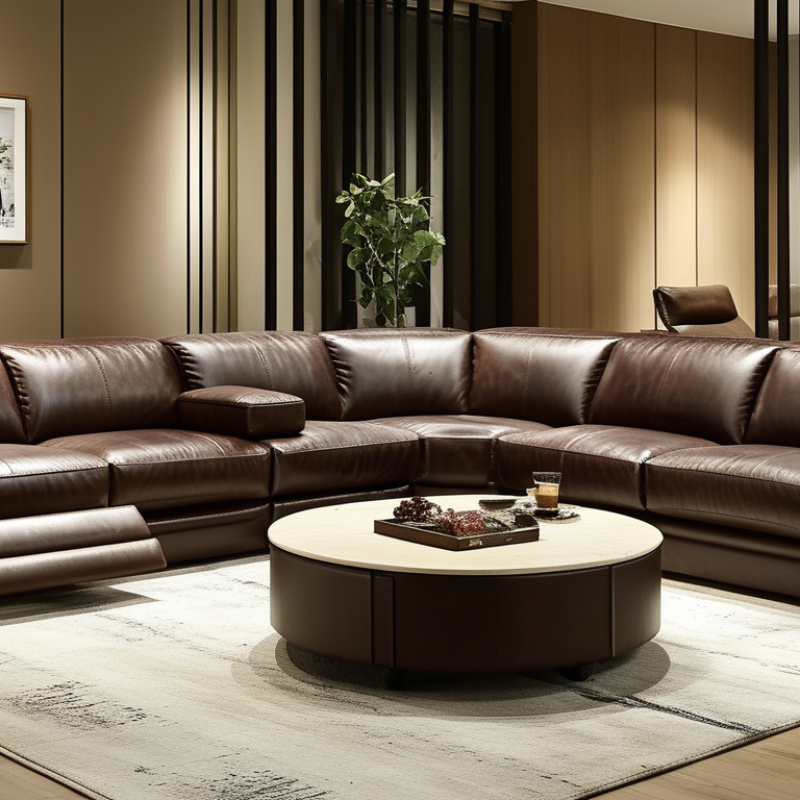
Define Use, Seating Capacity, and Comfort Needs Before Shopping
Choosing the right leather sectional starts with use, not color or showroom appeal. Ask how the room works on an ordinary evening. Will children climb onto it, or will adults host occasional guests? A family space needs resilient leather, supportive cushions, and easy access to every seat. A formal room may allow softer cushions and a lower profile. Measure the doorway, elevator, stair turns, and final wall before shopping. A sectional that fits the room may still fail at delivery. I have seen careful floor plans overlook a narrow landing.
Estimate seating from real habits, not the advertised seat count. Three adults need more space than three occasional visitors. Allow about 24 to 30 inches of width per person for relaxed sitting. A chaise uses floor area but does not always add practical seating. Check whether its length blocks a walkway or faces the television awkwardly. Comfort also depends on depth, cushion firmness, back height, and arm width. Sit for at least ten minutes, if possible. Test upright reading, relaxed lounging, and standing up. Leather may feel cool at first and soften with use, while loose cushions can shift. That movement is not always a defect, but it can become annoying. Ask about cushion filling, frame construction, stitching, and care requirements. I would not trust a beautiful finish alone; comfort often reveals weaknesses later. Leave space behind the sectional if reclining mechanisms or cleaning access require it.
Compare Leather Grades, Thicknesses, and Performance Specifications
How to Choose the Right Leather Sectional?
When I inspect leather furniture, I examine the surface, edges, stitching, and sample backing. Full-grain leather keeps the natural grain, so scars and texture remain visible. It usually develops a deeper patina with use. Top-grain leather is lightly corrected for a more uniform appearance. Corrected-grain leather has stronger surface treatment and may feel less breathable. Grade names can vary between suppliers. Ask what was removed, coated, or printed.
Thickness affects durability, but thicker leather is not automatically better. Upholstery leather often measures about 0.9 to 1.3 millimeters. Heavier hides may reach 1.2 to 1.6 millimeters. Check thickness consistency across the hide, especially near seams and cushions. A sectional with thick leather but weak stitching can still fail early. Firm foam, reinforced corners, and stable frame joints matter too. I look underneath.
Performance specifications provide useful evidence. Request abrasion results, finish adhesion, colorfastness, and seam-strength data. A high double-rub figure helps, but test methods differ. It should not be treated as a lifetime promise. For sunny rooms, ask about lightfastness. For busy homes, inspect cleaning instructions and resistance to oils, denim transfer, and moisture. I once trusted a smooth, impressive sample too quickly; it showed marking after repeated handling. A small sample test may reveal more than showroom lighting.
Evaluate Frames, Suspension, Cushions, and 1.8–2.5 PCF Foam Density
How to Choose the Right Leather Sectional?
A reliable leather sectional starts with its hidden frame. Look for kiln-dried hardwood or reinforced furniture-grade plywood, tight joints, and corner blocks. Sit near the arm and shift your weight gently. The frame should feel quiet and stable. Creaking is not always a failure, but repeated movement deserves attention. I once trusted a beautiful sofa with a weak base. It looked excellent for months, then developed an uneven seat.
Suspension controls how the sectional responds under daily use. Eight-way hand-tied springs can feel supportive, while sinuous steel springs offer consistent flexibility. Test several seats, not just the corner chaise. Your hips should not sink sharply, and the seat should recover without a slow, tired rise. Webbing can perform well, but its quality and tension vary widely. Ask how it is attached. Small construction details matter.
Cushion filling deserves equal scrutiny. For regular household use, foam between 1.8 and 2.5 PCF provides a practical range of durability and comfort. Higher density usually resists permanent impressions better, but density does not automatically mean softness. Firmness and foam density are different measurements. A cushion may feel plush yet contain resilient foam underneath. Remove the cushion when possible and inspect its shape. Does the foam fill the cover evenly? Are the seams pulling? Feather blends feel luxurious, but they require frequent fluffing. That maintenance is easy to underestimate. Bring your usual sitting posture into the showroom, even if it feels awkward. Real comfort reveals more than a quick five-minute test.
How to Choose the Right Leather Sectional?
Evaluate the frame, suspension, cushions, and seat-foam density before making a purchase.
Frame
Look for a rigid, well-joined frame with reinforced corners and minimal flex when pressure is applied.
Suspension
Check that the webbing or sinuous springs are evenly installed, securely attached, and provide consistent support across the seat.
Cushions
Removable, reversible cushions are easier to rotate, inspect, and maintain, helping reduce uneven wear.
Foam Density
Seat foam between 1.8 and 2.5 PCF represents a practical reference range; higher density generally offers better resistance to compression loss.
Match Maintenance Requirements, Warranty Terms, and Total Ownership Cost
Choosing a leather sectional starts with maintenance, not color.
Full-grain leather usually develops character, but it still needs regular dusting and conditioning. Place it away from radiators and strong afternoon sunlight. A damp cloth handles small spills; oily marks may require professional cleaning. Always test products underneath first. Leather is not stain-proof.
Warranty language can change the real price.
The Federal Trade Commission’s Consumer’s Guide to Warranties advises buyers to check coverage, exclusions, repair procedures, and claim costs. Look for separate terms covering frames, springs, stitching, leather finish, and reclining mechanisms. Some warranties exclude fading, scratches, pet damage, commercial use, or normal softening. Ask who pays for transport. That detail is easy to miss.
Build a five-year ownership worksheet.
Add delivery, assembly, cleaning supplies, conditioning, repairs, and possible cushion replacement. Then divide the total by expected years of use. The U.S. Environmental Protection Agency reported 12.1 million tons of furniture and furnishings entered the municipal waste stream in 2018, with about 80% landfilled. Longer service can reduce replacement waste, but durability claims need evidence. Request test standards, material specifications, and written warranty terms. A lower purchase price may become expensive after one failed seam. I would still question optimistic lifespan promises.