










Why Choose an Intelligent WC Toilet?

Choosing an Intelligent Wc Toilet is less about chasing novelty than making daily routines cleaner and more comfortable. Modern models may offer heated seats, adjustable washing, warm-air drying, automatic flushing, and touch-free lids. Features vary by model, so buyers should check controls, water use, power needs, and cleaning requirements before deciding. A quiet bathroom at dawn makes comfort tangible, but the best choice depends on who uses it and how the room is configured. Small detail: seat height can matter as much as advanced sensors. Installation also deserves attention.

This guide examines why people consider an Intelligent Wc Toilet, alongside questions worth asking before purchase. For households with limited mobility, a well-positioned wash function may reduce reaching and improve independence; still, controls should be easy to understand and maintain. Families may value adjustable settings, while shared bathrooms call for simple hygiene and straightforward cleaning. Not every feature suits every user. Compare warranty coverage, installation space, replacement parts, and the availability of local service. These checks are less exciting than a sleek control panel, but they can prevent avoidable frustration. There is no universal best model; priorities, budget, plumbing, and personal comfort all shape the decision. A little skepticism helps. The right toilet should feel dependable on ordinary mornings, not merely impressive in a showroom.
Why Choose an Intelligent WC Toilet?

What Defines an Intelligent WC Toilet?

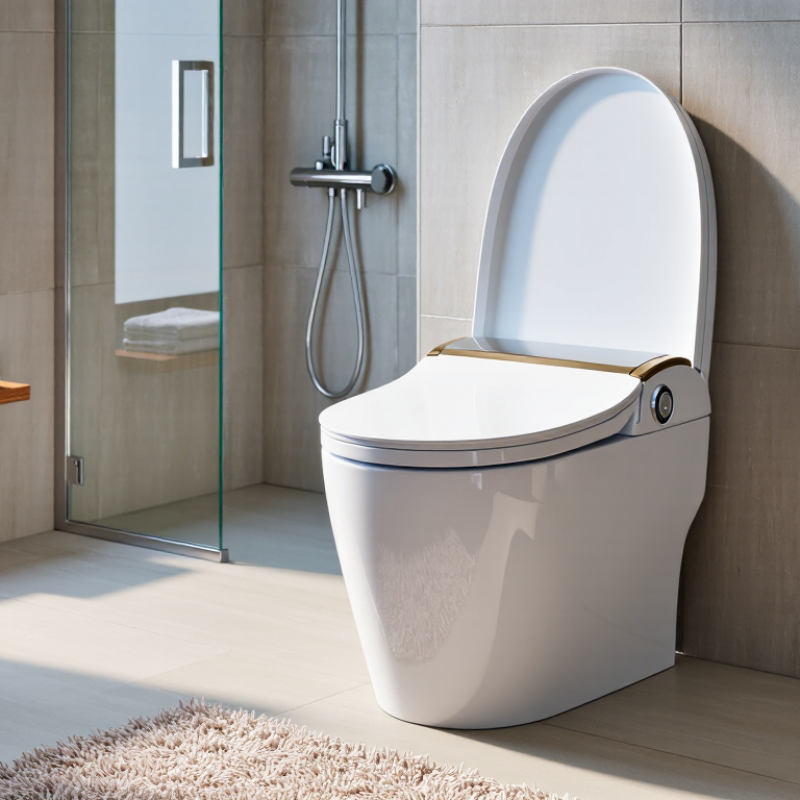
An intelligent WC toilet combines a conventional toilet with electronic washing and comfort features. Its defining element is usually a built-in bidet system. A retractable nozzle sprays water after use, with settings that may adjust water temperature, pressure, and spray position. Controls can sit on a side panel or a remote, depending on the design. Small details matter. A clear control layout is easier to use when your hands are wet.

Other features may include a heated seat, warm-air drying, an automatic lid, or sensor-based flushing. Not every model includes all of them, and “intelligent” does not mean maintenance-free. The nozzle still needs routine cleaning, and filters or other parts may need attention over time. In a cold bathroom, a heated seat can feel welcome on winter mornings; a dryer may reduce toilet paper use, though some people still prefer to pat dry. Personal comfort varies. Installation also deserves a careful check: the unit may need a nearby power supply and compatible plumbing. These toilets can make everyday routines more comfortable, but the extra controls may feel fussy at first. That is worth considering before choosing one.

How Automated Features Improve Daily Hygiene

An intelligent WC toilet can turn hygiene into a quieter, more consistent routine. A sensor-operated lid and flush reduce the need to touch shared surfaces. A cleansing nozzle, when used and maintained correctly, can support personal cleaning with adjustable water pressure and temperature. Small routines matter. The US Centers for Disease Control and Prevention reports that handwashing can reduce diarrheal illness by 23–40% and respiratory infections by 16–21%. A toilet cannot replace handwashing, but convenient features may make daily cleaning feel easier to maintain.

Touchless features also address a practical concern: frequent hand-to-face contact. A 2015 study in the American Journal of Infection Control observed medical students touching their faces an average of 23 times per hour; 44% of those touches involved mucous membranes. That finding does not prove an automated toilet prevents infection. It does show why reducing unnecessary contact can be sensible. Automatic functions are not maintenance-free, either. Nozzles, seats, and surrounding surfaces still need regular cleaning, and extra electronics can mean extra upkeep. Useful, but not magic.

How Smart Functions Support Comfort and Accessibility

Why Choose an Intelligent WC Toilet?

An intelligent WC can make routine bathroom tasks feel more manageable. A heated seat helps on cold mornings; a wash-and-dry function may reduce reaching and twisting. Adjustable water temperature and pressure let users tailor the experience. Controls should be easy to identify, even with damp fingers. Small details matter.

Accessibility is not a niche concern. The WHO and UNICEF’s 2022 Global Report on Assistive Technology estimates that 2.5 billion people need at least one assistive product, while nearly one billion lack access. A smart toilet is not a substitute for assistive care, but thoughtful features can remove everyday friction. AARP’s 2024 Home and Community Preferences Survey found that 75% of adults aged 50 and older want to remain in their homes as long as possible.

Comfort still depends on the person and the room. Clear controls, a suitable seat height, and enough space beside the toilet matter as much as automation. Some users may find touch panels confusing at first. Not a cure-all. Installation, cleaning, and power needs deserve attention too; a useful feature should feel simple, not become another task.

Why Choose an Intelligent WC Toilet? — How Smart Functions Support Comfort and Accessibility

Smart Function How It Supports Comfort Potential Accessibility Benefit Practical Considerations
Adjustable heated seat Offers a warmer seat, with temperature settings that can be adjusted on models that include this feature. May make sitting more comfortable for people sensitive to cold or who spend longer transferring and positioning themselves. Check that the temperature can be controlled easily and that the seat can be turned off. Electrical installation may be required.
Warm-water cleansing Provides a water-based cleansing option with adjustable spray position, pressure, or temperature on many models. May reduce the need to reach or twist to use toilet paper, which can be helpful for people with limited mobility or dexterity. Controls vary by model. Users should be able to reach and understand the controls; individual needs and preferences differ.
Warm-air drying Can provide a drying option after washing and may reduce reliance on toilet paper. May help people who have difficulty reaching, gripping, or wiping independently. Drying time and effectiveness vary. Some users may still prefer or need toilet paper.
Hands-free flushing Flushes automatically on some models, reducing the need to operate a manual handle or button. Can be useful for people with limited hand strength or reach, and may reduce contact with a flush control. Sensor placement and operation differ. A manual flush option can be useful if the sensor does not respond as expected.
Automatic lid opening and closing Opens or closes the lid without direct handling when this feature is fitted. May reduce bending and reaching for users who find those movements difficult. Allow for sensor range and user preference. Some models let users disable automatic operation.
Remote or clearly arranged controls Can make wash, dry, and seat settings easier to select without reaching for controls on the toilet itself. A well-positioned, easy-to-read control may help users with limited reach or mobility. Look for readable labels, intuitive buttons, and a mounting position accessible from the seated position. Remote controls may require batteries.
Night-light function Provides low-level illumination around the toilet area on models with built-in lighting. May make nighttime visits easier to navigate without switching on bright overhead lighting. Lighting does not replace adequate bathroom lighting or other fall-prevention measures.
Power-loss and manual-use options Some models provide a manual flush or other way to use the toilet during a power interruption. Can help preserve basic usability when electronic functions are unavailable. Backup arrangements vary. Check the installation guide for power, water, and manual-operation requirements.

Choosing a model: Features and controls vary by product. Check seat height, clear space for transfers, control accessibility, electrical requirements, and compatibility with any grab bars or mobility aids. An intelligent WC toilet can support comfort and independence, but it does not replace an individualized accessibility assessment.

Water and Energy Use in Intelligent WC Toilets

An intelligent WC toilet can use water more thoughtfully, but its real impact depends on how people use it. Adjustable spray settings let users choose a brief rinse instead of a longer wash. Some models also offer dual-flush options, which can reduce water per flush when a lighter flush is enough. Small choices matter.

Electricity use deserves equal attention. Heated seats, warm-water washing, and air drying all draw power, especially when left at high settings. An energy-saving mode can lower seat temperature between uses or reduce standby consumption. On a cold morning, a warm seat feels useful; keeping it heated all day may not. The trade-off is easy to overlook.

Check the product’s water-use and power figures before choosing, and compare settings you will actually use. A nozzle rinse may replace some toilet paper, though habits vary, and the toilet still needs regular cleaning. I would not assume every intelligent model saves resources. It might, but only when its flush system is efficient and its comfort features are managed sensibly. Small adjustments help.

Key Factors to Consider Before Choosing One

An intelligent WC toilet should fit your bathroom before its features impress you. Measure the pan area, door clearance, and distance from the waste outlet. Check whether the existing plumbing and water pressure match the model’s requirements. You may also need a suitable electrical outlet nearby; ask a qualified installer if the wiring or connection is uncertain. Small details matter. A seat that crowds a wall or a cord that cannot reach safely can turn a clever upgrade into an awkward one.

Think about which functions you will actually use, such as adjustable washing, heated seating, or automatic flushing. More features do not always mean a better toilet. Consider how controls work for everyone at home, including guests who may prefer simple buttons. Ask how to clean the spray nozzle, replace filters, and manage limescale if your water is hard. Check what happens during a power cut, and whether routine parts and service are accessible in your area. It is easy to focus on the showroom experience and overlook daily upkeep. That deserves a second look.

Start typing to see products you are looking for.
Sign in

No account yet?

NewSale
SHARE YOUR CART