Top 10 WPC Grille Options for Global Buyers in 2026?
As the demand for sustainable building materials rises, WPC Grille products are gaining traction globally. These innovative offerings blend wood and plastic composites, making them both durable and eco-friendly. In 2026, buyers will face a variety of WPC Grille options. Understanding these options is essential for making informed decisions.
However, challenges remain in the selection process. Not all WPC Grille products are created equal. Some may not meet quality expectations. Buyers should remain vigilant and consider factors like weight, texture, and application. It is crucial to evaluate each choice thoroughly.
This guide explores the top 10 WPC Grille options available worldwide. Each product reviewed here aims to balance aesthetics and functionality. We strive for accuracy and reliability, but the market is always evolving. As buyers navigate these choices, reflection on their needs will be indispensable in making the right selection.
Overview of WPC Grille: Definition and Benefits
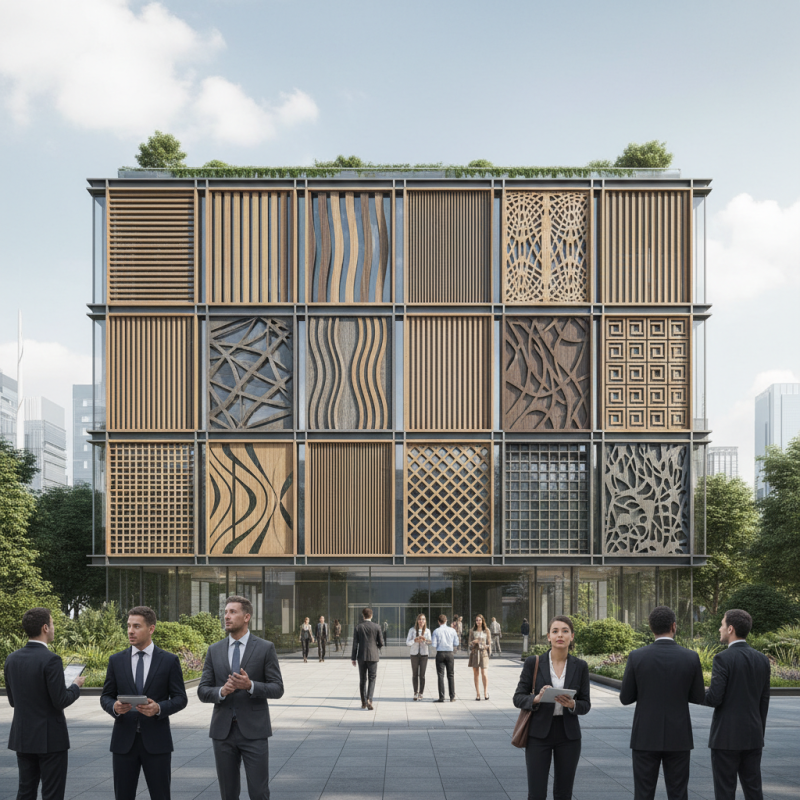
WPC, or Wood Plastic Composite, grills are becoming a hot topic for buyers worldwide. These versatile materials combine wood fibers with plastic, creating a unique hybrid. The result is a product that offers the beauty of wood and the resilience of plastic. WPC grills resist moisture and are less prone to warping, making them ideal for various outdoor applications.
The benefits of using WPC grills extend beyond aesthetics. They are easy to maintain and offer longer lifespans than traditional wood options. Installation is often straightforward, making them a go-to choice for contractors. However, it’s essential to consider quality variations among different manufacturers. Some products may not perform as expected over time, leading to potential disappointment.
While many users praise WPC grills, others voice concerns regarding color fading and surface scratches. These issues can affect the visual appeal over the years. Choosing the right product requires research and customer feedback. Reflecting on experiences, buyers should weigh these pros and cons carefully. Each project is unique, and understanding your specific needs is key.
Key Features to Consider When Choosing WPC Grilles
When selecting WPC grilles, durability is crucial. These products are designed to withstand various weather conditions. Look for resistance to moisture, mold, and UV damage. Grilles that can endure temperature fluctuations will perform better over time. Consider how they will hold up in different climates.
Another important aspect is aesthetic appeal. WPC grilles come in various designs and colors. This versatility allows for seamless integration into any outdoor space. Think about your overall design theme. A well-chosen grille can enhance the visual appeal of your property. It's worth experimenting with different finishes to find the right match.
Cost-effectiveness cannot be overlooked. WPC grilles should offer value for money. Compare long-term durability against initial investment. It’s not always easy to find the balance between cost and quality. Investing in quality could save more in the long run. Always seek reviews and honest feedback to guide your decision-making.
Top 10 WPC Grille Brands for Global Buyers in 2026
When exploring WPC grille options in 2026, global buyers will encounter a diverse range of brands. Different brands are refining their production techniques, focusing on sustainable materials and innovative designs. This transformation caters to buyers who demand quality and aesthetic appeal.
Among the key considerations is durability. Brands are prioritizing weather resistance and longevity in their products. By implementing advanced compositions, they are addressing buyers' need for reliable outdoor solutions. Some companies are also experimenting with colors and textures, allowing for personalized designs in various settings.
However, not all brands meet customer expectations. Some may fall short in terms of quality control, leading to inconsistencies. It is essential to research thoroughly. Transparency in production methods is crucial for informed purchasing decisions. This year, global buyers should seek trustworthy sources while weighing the pros and cons of various options.
Top 10 WPC Grille Options for Global Buyers in 2026
Comparative Analysis of Pricing for WPC Grille Options
When exploring WPC grille options in 2026, pricing is a key consideration for global buyers. WPC grilles are popular for their durability and low maintenance. Prices can fluctuate based on factors like quality, design, and supplier location. Typically, a mid-range option may cost between $10 to $25 per square foot. More premium choices could go up to $35 or more, depending on customization.
Buyers should examine their needs closely. Do you prioritize durability over aesthetics? Consider how climate may affect your choice. Northern regions may require more robust options.
Tips: Always compare multiple suppliers. Request samples to gauge quality before committing. Be cautious with deals that seem too good to be true; they often are. Pricing can reflect the quality of materials used.
Research is essential. Reading reviews can reveal hidden issues with certain products. Buyers may need to reflect on the long-term value of their choice, rather than the initial cost alone. Sometimes, investing more upfront leads to savings down the line.
Top 10 WPC Grille Options for Global Buyers in 2026
| Option | Material | Dimensions (L x W x H) | Color | Price (USD) | Durability (Years) |
| Option 1 | WPC Composite | 200 x 150 x 30 mm | Brown | 25 | 10 |
| Option 2 | Recycled Plastic | 250 x 160 x 35 mm | Gray | 30 | 12 |
| Option 3 | Bamboo Fiber | 210 x 155 x 32 mm | Beige | 28 | 15 |
| Option 4 | Wood Plastic Composite | 220 x 165 x 30 mm | Dark Brown | 27 | 9 |
| Option 5 | PVC Composite | 230 x 170 x 40 mm | Black | 20 | 8 |
| Option 6 | Plastic Composite | 240 x 175 x 38 mm | Slate Gray | 23 | 10 |
| Option 7 | Fiber Reinforced Plastic | 250 x 180 x 35 mm | Olive Green | 22 | 11 |
| Option 8 | Aluminum Composite | 260 x 185 x 36 mm | Silver | 35 | 14 |
| Option 9 | Thermoplastic Composite | 270 x 190 x 40 mm | White | 29 | 12 |
| Option 10 | Engineered Wood | 280 x 195 x 30 mm | Natural Wood Color | 31 | 10 |
Sustainable Practices in WPC Grille Manufacturing
Sustainable practices in WPC (Wood Plastic Composite) grille manufacturing are gaining traction. These methods aim to reduce environmental impact while maintaining efficiency. Many manufacturers now focus on sourcing recycled materials. This helps minimize waste and lower production costs.
Using renewable resources such as sustainable wood fibers is critical. It ensures that the production process is eco-friendly. Some companies even implement closed-loop systems, which recycle waste back into the manufacturing cycle. These steps show commitment to sustainability. However, challenges remain.
Not all manufacturers are on board, and quality control can vary. Some companies overlook the importance of certification for eco-friendly materials. This inconsistency can mislead consumers. Buyers should be cautious about claims. Transparent information is vital in building trust and reliability in the WPC market. Embracing sustainable practices is a complex journey that requires ongoing reflection and improvement.