What Are the Top Types of Umbrella Folding Prams?
An Umbrella Folding Pram is designed for families who want a stroller that folds quickly and takes up less space. Yet “umbrella” does not describe one standard design. Models differ in weight, seat position, wheel size, storage, and folding mechanism. A useful comparison looks at how each type fits real routines: crowded buses, narrow shop aisles, car boots, or a short walk to nursery.
The main types include basic lightweight prams, compact travel models, reclining models, and double prams for two children. Basic versions often suit older babies and quick errands, but may offer limited padding and storage. Compact travel models can be easier to carry and stow, though their small wheels may feel less steady on uneven paths. Reclining designs provide more seat adjustment; check the maker’s stated age and suitability before using one with a young baby. Double models can help caregivers traveling with siblings, but their added width and weight matter.
No type wins every day. Small details count: Can you fold it while holding a bag? Does the brake engage clearly? Is the handle height comfortable? The answers are easier to judge by checking product specifications and, when possible, testing the fold and steering in person. Features and limits vary by model, so confirm them in the manufacturer’s instructions. A neat fold is useful. Comfort and safe, suitable use matter just as much. This guide compares the leading types and the trade-offs that are easy to miss.
Key Features That Define an Umbrella-Folding Pram
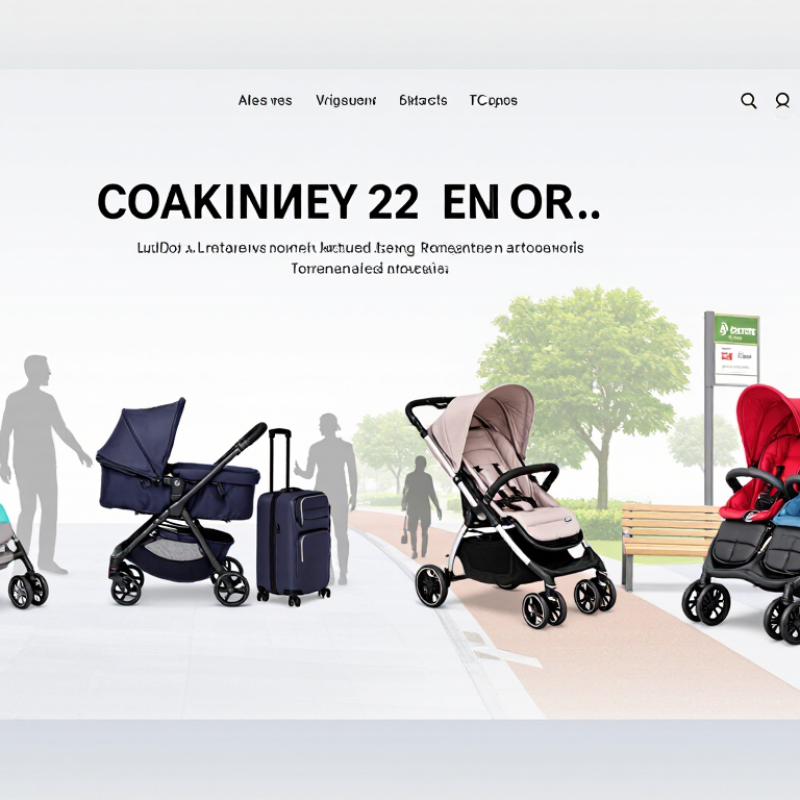
Umbrella-folding prams vary from basic, lightweight models to reclining versions with larger canopies and storage baskets. Their defining feature is a narrow, elongated fold, useful beside a café table or in a crowded hallway. Grand View Research estimated the global baby stroller market at about US$2.5 billion in 2023 and projected 5.1% annual growth from 2024 to 2030. That market estimate shows demand, not product quality. A practical design still depends on a secure folding lock, accessible brake, adjustable harness, and wheels suited to the routes you actually take.
Check how the pram handles real details: Can you open it while holding a child? Does the canopy shade the face without blocking your view? Does the seat recline enough for comfortable rest? ASTM F833 sets performance and safety requirements for strollers, including tests related to stability, restraints, and folding mechanisms. Standards matter. Yet they cannot tell you whether a small basket will fit your daily essentials, or whether the handle feels awkward after ten minutes. That part is easy to overlook.
Tips: Fold and unfold the pram several times before buying. Check that the latch engages, the brake holds, and the harness adjusts without twisting. Then lift the folded pram; a few extra pounds can feel significant on stairs.
Lightweight Umbrella Prams for Everyday Use
Lightweight umbrella prams suit everyday trips when a full-size stroller feels bulky. Their slim frames fold into a narrow bundle, often with a carry handle or shoulder strap. For bus rides, quick errands, and small car boots, that compact shape can make a real difference. Small details matter. Check the folded dimensions and weight, since “lightweight” varies between models and can feel different after a long walk.
Common types include basic compact prams, reclining models for naps, and versions with larger wheels for uneven pavements. A reclining seat adds flexibility, though the folded pram may take up more room. Smaller wheels can be easy to steer through shops, but cobbles and rough paths may feel bumpy. Look for a secure harness, dependable brakes, and a canopy that provides useful shade. These features are more important than a long list of extras.
Before choosing one, try folding and lifting it with one hand, if possible. It sounds minor. Yet a stiff latch can be frustrating when you are holding a child or juggling shopping. Check the manufacturer’s age and weight guidance, and avoid hanging heavy bags from the handles, which may affect stability. A lightweight pram is convenient, but it is not perfect for every route; even a short test walk can reveal what suits your daily routine.
Reclining Umbrella Prams for Added Comfort
Reclining Umbrella Prams for Added Comfort
A reclining umbrella pram can make a long outing more comfortable when a child needs a change of position. Look for a backrest that adjusts smoothly, stays put, and can be operated without disturbing a resting child. Check that the harness remains correctly fitted after reclining; a loose strap can bunch around small shoulders. A generous canopy also helps shade the seat, while a padded backrest can soften the feel of a bumpy pavement.
Small detail, big difference.
Grand View Research estimated the global baby stroller market at about US$2.8 billion in 2022, with projected growth through 2030. That figure describes market value, not proof that reclining seats improve comfort. Fit still matters more than features: try the pram with your child, and see whether the seat supports their head and legs at different angles.
A reclined stroller is not a sleep bed. The American Academy of Pediatrics advises moving a sleeping infant from a stroller to a firm, flat sleep surface when practical.
A small drawback: compact models may offer limited recline, so check the adjustment range before buying.
Double Umbrella Prams for Two Children
Double umbrella prams carry two children in one pushchair and fold into a narrow, cane-like shape. Most use either a side-by-side layout or a tandem layout, with one seat behind the other. Side-by-side seats give children a similar view, but the wider frame can feel awkward in narrow shop aisles. Tandem designs are often slimmer, though the child in the rear may have less space or a different view.
Check the folded dimensions before buying. A pram that fits beside your front door may still be difficult to lift into a car. Look for a secure folding latch, easy-to-reach brakes, and harnesses that adjust as children grow. Separate reclining seats and canopies can help when one child naps and the other stays alert. Small wheels may suit smooth pavements, but rough paths can make the ride bumpy. Test the steering with both seats occupied, if possible.
Fit matters more than a long list of features. Measure your hallway, car boot, and the tightest doorway on your usual route. Also check the stated weight limits and whether a newborn needs a particular seat position or insert. The compromise is real: a lighter frame can be easier to carry, yet may feel less steady over uneven ground. A quick fold is useful, but not if opening it becomes a daily struggle.
What Are the Top Types of Umbrella Folding Prams? - Double Umbrella Prams for Two Children
| Type | Seating layout | Typical advantages | Things to consider | Often suits |
| Single umbrella-fold pram | One child in one seat | Usually compact when folded and straightforward to steer in crowded places. | Offers seating for only one child; features such as recline and canopy coverage vary by model. | Families needing a simple, portable everyday stroller for one child. |
| Side-by-side double umbrella pram | Two seats next to each other | Both children have a similar view and can be within easy reach of the caregiver. | The wider frame may be harder to fit through narrow doorways and tight aisles. Check the folded dimensions and doorway width. | Twins or two children who benefit from equal seating positions. |
| Tandem double umbrella pram | Two seats arranged one behind the other | Its narrower profile can be more convenient than a side-by-side design in some doorways and walkways. | The longer frame can take more room to turn, and the two seats may not have identical features or views. | Families wanting two seats in a narrower stroller layout. |
| Stadium-style tandem double pram | Two seats in line, with one seat positioned higher | The raised position can give the child in the rear seat a clearer view, depending on the design. | Seat access, canopy coverage, folded size, and the children's weight limits vary. Confirm each seat's specifications. | Caregivers who prefer an in-line layout while seeking improved visibility for the rear passenger. |
| Lightweight compact double umbrella pram | Usually two seats, commonly side-by-side; layouts vary | Designed with portability and a quick, compact fold in mind. | A compact design may have less storage or fewer comfort features. Check folded measurements, carrying method, and child limits. | Travel and everyday trips where carrying and storing the stroller are important. |
Before choosing, check the manufacturer's stated child weight limits, folded dimensions, harness requirements, and guidance on suitable surfaces. Umbrella-fold designs can differ considerably in features and handling.
All-Terrain Umbrella Prams for Varied Surfaces
All-terrain umbrella prams are designed to handle more than smooth shop floors, but the label does not mean every model suits every path. Larger wheels can roll more steadily over compact gravel, cracked pavement, and short grass. A simple suspension system may soften small bumps, though it cannot make a lightweight frame feel like a full-size jogging pram. That trade-off matters.
Before choosing one, check how the wheels behave on the surfaces you use most. A narrow front wheel may catch in loose gravel, while a lockable swivel wheel can help on uneven ground. Test the brakes on a gentle slope, and make sure the pram stays stable when you hang a small bag from the handle. Check the fit. The folded pram should still fit your car boot or hallway without awkward lifting. On rougher routes, a secure harness, a clear view of the child, and a canopy that blocks glare are practical details, not extras. Some umbrella prams manage mixed paths well but feel less comfortable on deep sand or muddy trails. I would not treat “all-terrain” as a promise; a short test walk can reveal more than the label.