

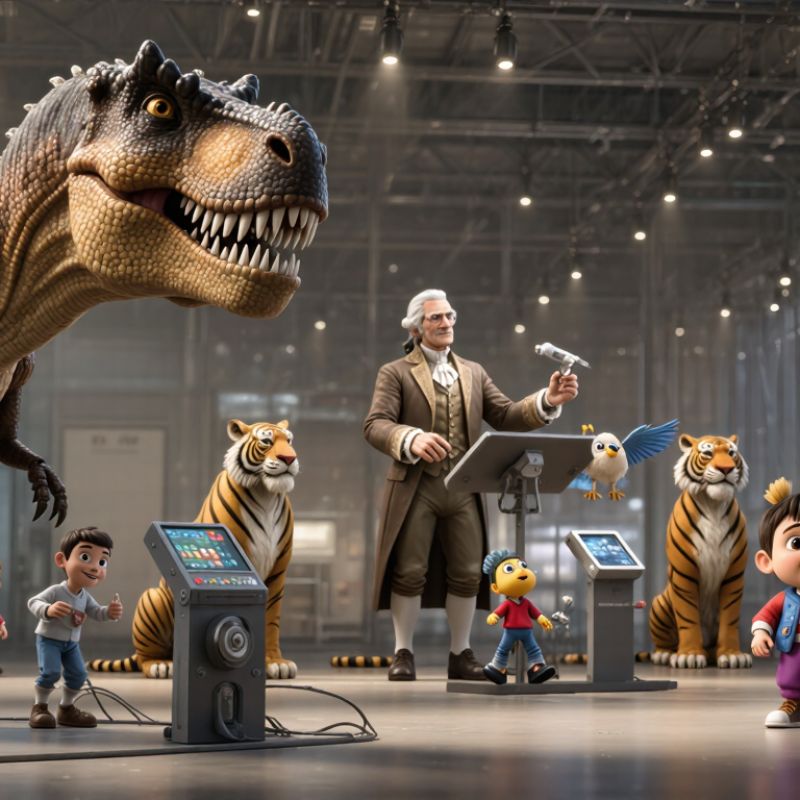
In 2026, animatronics appear in more places than ever, from themed attractions and museums to shop windows and live events. Custom Animatronics can portray dinosaurs, storybook figures, wildlife, branded characters, or historical subjects. Each type serves a different purpose. A museum display may need precise movement and clear educational context, while a walk-around event figure must be safe to operate and easy to maintain.
The right choice depends on more than appearance. Buyers and designers should consider the setting, audience, movement range, materials, control system, maintenance needs, and budget. Small details matter: a quiet motor can suit an indoor exhibit, while a weather-resistant finish may be essential outdoors. There is no single “best” type for every project. Some designs look impressive but prove difficult to service; others are simpler yet more reliable over time.
This guide explores the leading types of custom animatronics in 2026, including creature figures, interactive exhibits, themed-environment characters, and promotional displays. It compares their common uses and practical trade-offs without treating every project as identical. Technology keeps changing. So do expectations. A careful plan still matters more than a flashy feature.
What Are the Top Types of Custom Animatronics in 2026?
How Custom Animatronics Are Classified by Design and Purpose
Custom animatronics are easiest to classify by two questions: how do they move, and what job must they perform? By design, they range from simple figures with moving heads or jaws to fully articulated characters with coordinated eyes, limbs, and sounds. Some imitate animals; others portray people, fantasy creatures, or abstract forms. Small motions matter. A slow blink can feel more convincing than a complex but poorly timed gesture.
Purpose creates another useful classification. Attraction figures are built for repeat viewing, so durable mechanisms and clear movement patterns matter. Museum and education models may expose internal parts or demonstrate anatomy and engineering. Film and event pieces often prioritize camera angles, close-up detail, or quick setup. These categories overlap, though. A display creature may also teach visitors about movement.
The TEA/AECOM Theme Index and Museum Index 2023 reported 244.6 million visits across the world’s top 25 theme parks, up 23.5% from 2022. That attendance figure is not a measure of animatronics demand, but it shows the scale of environments where moving figures may support storytelling. Classification should still begin with practical questions: viewing distance, operating hours, motion range, and maintenance access. Labels alone can mislead. A technically ambitious figure may be the wrong fit for a quiet exhibit.
How animatronics are commonly classified by design and purpose
Custom animatronics are often grouped by what they depict and where they are used, such as characters for entertainment, creatures for attractions, or figures for exhibits. Bars show example motion groups in a representative design, not market share or standardized industry measurements; actual builds vary.
Character animatronics give theme-park stories a physical presence that screens cannot quite reproduce. Common formats include full-body figures, expressive busts, and creature characters built for close audience interaction. Full-body figures suit walk-through scenes, while busts can deliver precise facial movements from a compact stage position. Creature designs often combine mechanical motion with fabric or sculpted surfaces. Small details matter: a blinking pause, a tilted head, or a hand that moves just after a spoken line. That timing can feel wonderfully human—or slightly off.
The TEA/AECOM 2023 Theme Index reported a 23.1% rise in attendance across the world’s 25 most-visited theme parks compared with 2022. Higher attendance makes clear sightlines, dependable show cycles, and maintainable mechanisms practical priorities. In live shows, linked characters can turn toward a performer or react together to music, but synchronization needs careful rehearsal. Designers should match motion range to viewing distance and account for sound, lighting, and operator access. A figure that looks vivid from the front may seem stiff from the side. That is easy to miss. Good character work balances expressive movement with repeatable performance, and sometimes the quieter gesture is the one guests remember.
Dinosaur animatronics can turn a museum hall into a vivid prehistoric scene. A life-size model might shift its head, flex its jaw, and move its tail while visitors examine fossil displays nearby. Smaller specimens work well in family galleries, where children can watch a dinosaur blink or respond to a nearby presence. The movement should support the exhibit’s story, not compete with it. Less can be more.
Wildlife animatronics bring familiar habitats into view, from a heron poised beside reeds to a fox emerging from artificial brush. Subtle breathing and head movements often feel more convincing than constant motion. Designers can pair these figures with habitat sounds, clear labels, and lighting that reveals details without making the scene feel theatrical. Keep pathways open. Visitors need room to pause.
For museums, durable construction and accessible maintenance matter as much as visual impact. Staff should be able to inspect moving parts, clean surfaces, and adjust sound levels without dismantling an entire display. Motion sensors can help conserve energy, though they may miss visitors or trigger too often in busy galleries. That flaw deserves testing. A quiet, carefully staged animal can sometimes teach more than a dramatic one.
| Animatronic type | Typical movement | Good fit for | Key exhibit considerations |
|---|---|---|---|
| Full-body dinosaur | Head, jaw, neck, tail, or limb movement; optional sound | Natural history museums, dinosaur galleries, and themed exhibits | Allow for viewing distance, visitor circulation, safe movement clearance, and access for maintenance. |
| Dinosaur head or bust | Jaw opening, blinking, head turns, or subtle breathing motions | Compact galleries, interactive stations, and close-up displays | Position moving parts away from visitor reach unless the display is specifically designed for interaction. |
| Hatching dinosaur or juvenile | Head and jaw movement, small body motions, and sound effects | Family exhibits, life-cycle displays, and educational activity areas | Use a stable enclosure or plinth and provide clear sightlines for visitors of different heights. |
| Flying reptile or bird display | Wing, head, or neck movement; some displays use suspended poses | Ceiling installations, flight-themed galleries, and large exhibit spaces | Check overhead clearance, structural support, and safe separation from visitors and lighting equipment. |
| Marine wildlife | Fin, tail, jaw, or body movement, often paired with a simulated underwater setting | Ocean-life exhibits, aquarium interpretation areas, and prehistoric-sea displays | Plan around humidity, water features, lighting, and access to moving mechanisms. |
| Terrestrial wildlife | Head turns, blinking, jaw movement, breathing effects, or tail movement | Habitat exhibits, conservation displays, and wildlife interpretation centers | Choose poses and movement that support the educational story and suit the available viewing space. |
| Interactive animatronic | Movement or sound triggered by a button, sensor, or programmed sequence | Hands-on learning zones and visitor engagement points | Make controls accessible, use clear visitor instructions, and consider queue flow and frequent-use maintenance. |
| Scene-based animatronic group | Coordinated movements and audio across multiple figures | Immersive galleries, themed environments, and narrative exhibits | Coordinate timing, sound levels, sightlines, power, and service access across the complete scene. |
Movement options and environmental requirements vary by design. Final specifications should be matched to the exhibit space, visitor access, and maintenance plan.
Branded animatronics can turn a retail display into a moment shoppers remember. In 2026, popular options include animated mascots, oversized product-inspired figures, and moving window displays. A mascot might wave as visitors enter, while a figure beside a launch display could point toward a featured item. Small details matter. Slow, readable movements often work better than constant motion in a busy store. Keep the message clear, even when the character is playful.
For promotional events, portable animatronic characters can welcome guests, draw attention to a photo area, or introduce a campaign theme. A compact unit with controlled movement may suit a crowded indoor venue better than a large, theatrical build. Event teams should check setup time, transport needs, sound levels, and operator access before choosing a design. A great-looking character is less useful if staff cannot reset it quickly between appearances.
Good planning also protects the visitor experience. Use durable finishes, secure moving parts, and controls that staff can understand without guesswork. Test sightlines from a child’s height and from across the room. Then watch how people actually respond. Some visitors may enjoy a surprise movement; others may find it distracting. That trade-off deserves honest attention, and the first design may need adjustment.
In 2026, interactive animatronics are moving beyond fixed routines. Small sensors can detect a visitor nearby, a hand gesture, or a change in room sound. The controller then selects a movement, sound, or brief line suited to that cue. A museum creature might turn its head when someone approaches, then pause as if listening. That pause matters. It makes the response feel less like a loop.
Designing these systems requires more than adding sensors. Teams need to define safe movement limits, test detection distance, and tune response timing in the actual space. A sensor that reacts to every passing shadow can make a character twitch constantly. Too much delay feels broken. Adaptive behavior should stay readable: one clear cue, one measured response, and a quiet reset. Staff controls can help when a sensor misreads a crowded room. Lighting, noise, and visitors who behave unpredictably can expose flaws. No setup is perfect. Reviewing performance logs and adjusting detection thresholds can improve responses over time, but more reactions do not always create a better encounter.
No account yet?
Create an Account