
Dining chairs influence more than a room’s appearance. They affect comfort, movement, and how easily people gather around a table. A sculpted Windsor chair can add warmth to a breakfast nook, while a padded Parsons chair may suit a more formal dining room. Small details matter.
This guide introduces ten popular types of dining chairs, including armchairs, side chairs, ladder-back designs, and folding options. It considers how each style looks and works in everyday settings. Seat height, back support, frame material, and upholstery all deserve attention. For example, a wide armchair may feel inviting but leave little space between neighboring seats. Measurements can prevent that surprise.
No single style fits every home. Comfort depends on body shape, table height, and how long people usually sit. Even a beautiful chair can feel tiring after a long meal. That is worth remembering. The comparisons ahead focus on practical features as well as appearance, helping readers weigh durability, cleaning needs, and room layout before choosing. Some distinctions between styles can be subtle, and personal taste will still matter. A sensible choice balances looks with daily use, rather than chasing a perfect match.
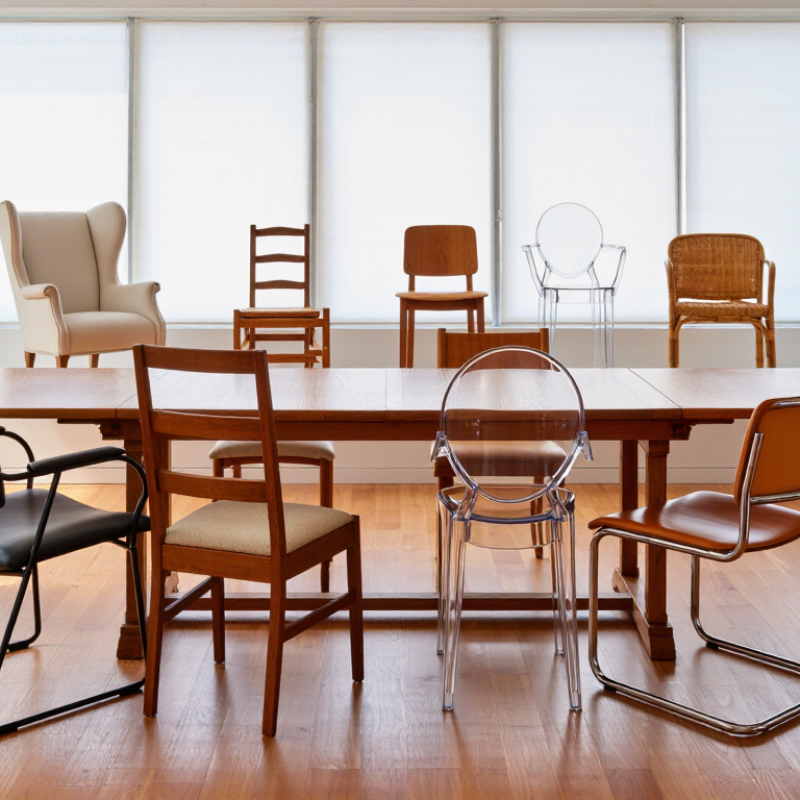
A dining chair is a seat intended for use at a dining table, but its shape alone does not define its type. Classification usually considers construction, backrest, arms, upholstery, and practical use. That distinction matters. A side chair has no arms, while an armchair has supports beside the seat. A folding chair is designed to collapse for storage; a stackable chair can be placed atop another. These labels describe different features, so one chair may fit several categories.
Common design types include ladder-back, slat-back, Windsor, Parsons, upholstered, and pedestal-base chairs, alongside side, arm, folding, and stackable chairs. The terms are not always perfectly consistent: a Parsons chair, for example, is generally recognized by its simple upholstered form, not by one fixed frame material. Look closely at the joints, seat padding, and back shape.
A firm wooden seat feels different from a cushioned one during a long meal. Check the chair’s height against the table, too; even an attractive design can feel awkward if the fit is off. Classification helps compare options, though it cannot replace sitting in the chair. Details can mislead.
Traditional dining chairs bring visible craftsmanship to a room, and three familiar forms are Windsor, ladder-back, and spindle-back. A Windsor chair usually combines a solid seat with a curved bow and slender uprights. The bow frames the shoulders, while the legs often angle outward for a stable stance. Its shaped seat can feel supportive, though comfort varies with the curve and the sitter. Some Windsor designs look delicate but feel surprisingly substantial.
Ladder-back chairs use horizontal rails between two upright posts. The rails resemble ladder rungs and create a simple, open profile. Their straight lines suit farmhouse and cottage interiors, but a flat rail can press against the back during a long meal. A loose cushion may help. Check that the rails and joints feel firm; appearance alone tells little about durability.
Spindle-back chairs have narrow vertical rods connecting the seat to a top rail. Windsor chairs often use spindles too, so these styles can overlap rather than fit into perfectly separate boxes. Spindles create an airy look and let light pass through the chair back. Still, closely spaced rods can be harder to dust than a plain panel. Before choosing, sit for several minutes and notice whether the seat edge or back rail feels uncomfortable. Small details matter.
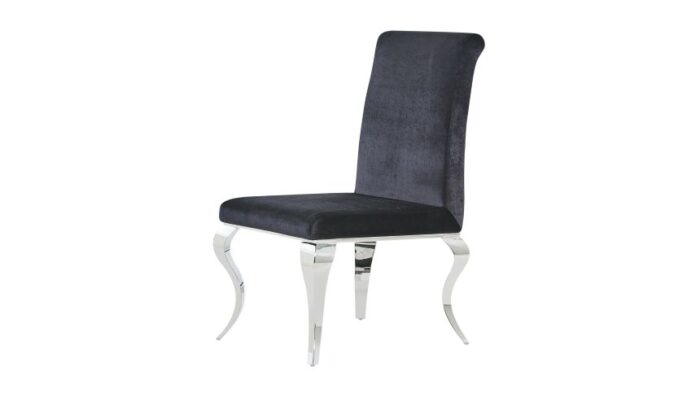
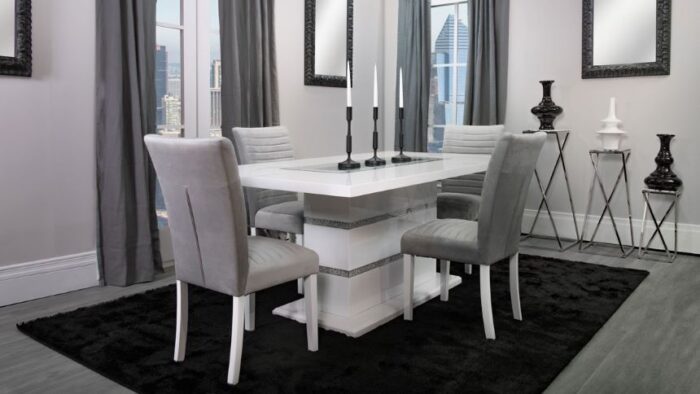
Parsons chairs suit dining rooms that need a clean outline without a bulky frame. Their straight sides and padded seat can slide neatly beneath many tables, while a fully upholstered back softens the room. Measure the chair width before buying: thick arms can make a table feel crowded, even when the chair looks compact. Slipper chairs have no arms, so they can tuck into tighter layouts. They also make it easier to turn toward a guest. Small rooms benefit. Yet a low, soft seat may feel less supportive during a long dinner; comfort depends on seat height, cushion firmness, and your table’s apron clearance.
Wingback chairs bring a taller, more enclosing silhouette. They work well at the head of a table, where their height adds visual emphasis, but a full set may dominate a small dining area. Houzz’s 2024 U.S. Kitchen Trends Study reported that 76% of renovating homeowners included an island, reflecting the popularity of integrated eating spaces. In open-plan rooms, upholstered chairs can help define a dining zone without adding a divider. Choose a tightly woven, cleanable fabric if meals are lively; pale upholstery shows crumbs quickly. The performance detail is easy to overlook. Before ordering, test the chair at table height and check whether the back supports you comfortably. Even a beautiful chair can feel awkward after an hour.
| What Are the Top 10 Types of Dining Chairs? — Upholstered Dining Chairs: Parsons, Wingback, and Slipper | |||||
|---|---|---|---|---|---|
| Chair Type | Key Design Features | Typical Overall Size (W × D × H) | Typical Seat Height | Arms | Common Dining-Room Fit |
| Parsons | Clean, straight lines; a fully padded seat and back, often with upholstery extending to the legs. | 18–22 × 22–26 × 34–39 in | 18–20 in | Usually armless; arm versions are available. | Versatile choice for rectangular and round dining tables; its simple profile suits many interiors. |
| Wingback | Tall upholstered back with side “wings” that frame the sitter; may have button tufting or nailhead trim. | 22–28 × 24–30 × 40–48 in | 18–20 in | Often has arms, though armless versions exist. | Works well as a pair of statement chairs at the ends of a dining table; check back height and clearance. |
| Slipper | Low, fully upholstered back and seat with no arms; typically has a compact, uncluttered silhouette. | 20–24 × 22–26 × 30–35 in | 18–20 in | No arms. | Useful where a lower profile is preferred; confirm that the seat height is comfortable for the table. |
| Barrel | Curved back wraps partly around the sitter, creating a rounded, supportive shape. | 22–27 × 23–28 × 30–36 in | 18–20 in | Often has integrated arms. | Best where there is room for a wider chair; measure the table’s usable seating width. |
| Tub | Continuous curved back and sides form a compact, tub-like seat; upholstery commonly covers the frame. | 22–27 × 23–28 × 29–35 in | 18–20 in | Usually has low, integrated arms. | A comfortable option for spacious dining areas; the curved sides may limit how closely chairs tuck in. |
| Upholstered Side Chair | Armless dining chair with a padded seat and an upholstered or partly upholstered back. | 17–21 × 20–24 × 32–38 in | 17–19 in | No arms. | Often easy to arrange along a table because the armless shape takes up less width. |
| Upholstered Armchair | Padded seat and back with separate arms; frame may be wood or metal. | 22–26 × 22–26 × 33–38 in | 18–20 in | Yes. | Comfortable at table ends or in a room with enough space for wider chairs. |
| Tufted Upholstered Chair | Button or stitched indentations create a textured, padded back; available in side-chair and armchair forms. | 19–24 × 22–27 × 34–40 in | 18–20 in | May be armless or have arms. | Adds visual texture; choose a back height that does not obstruct sightlines across the table. |
| Skirted Upholstered Chair | Upholstered seat and back with fabric extending down to cover the chair legs. | 20–25 × 23–28 × 34–39 in | 18–20 in | May be armless or have arms. | Suited to more formal settings; allow space for the fabric skirt and easier floor cleaning. |
| Upholstered Ladder-Back | Horizontal back rails or “rungs” paired with a padded seat; the back may include partial upholstery. | 18–22 × 20–24 × 34–39 in | 17–19 in | Usually armless; arm versions are also made. | Combines a structured back with a cushioned seat; suitable for everyday dining layouts. |
| Dimensions are typical approximate ranges in inches; actual measurements vary by design. For comfortable table clearance, compare the chair’s seat height and arm height with the table apron and tabletop. | |||||
Among the ten common dining-chair types, side chairs remain the easiest to fit around a table. Their armless frames slide beneath the tabletop, leaving more room in compact dining areas. Check the seat width and the space between chair legs before buying; a chair that looks slim in a showroom may feel cramped beside another. Upholstered seats add comfort, but they can show spills more readily than wood or wipe-clean finishes.
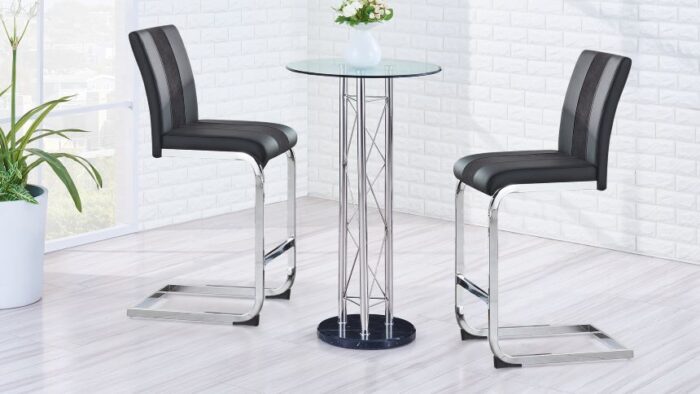
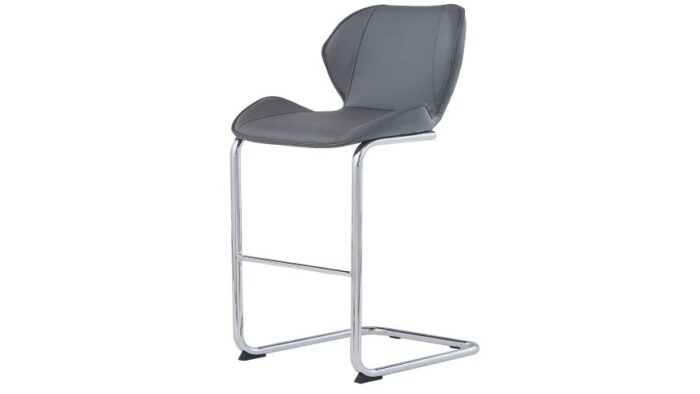
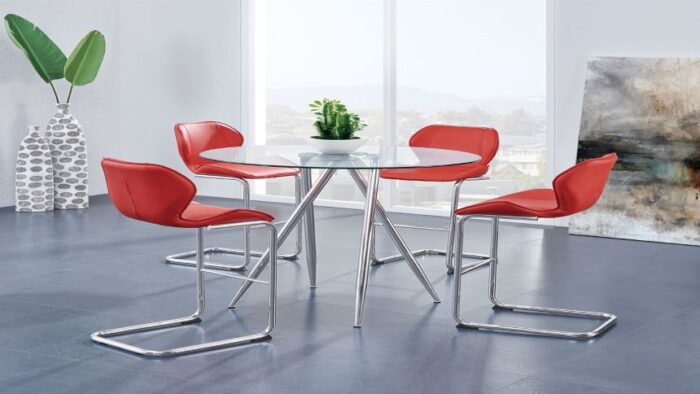
Armchairs give guests a place to rest their elbows and can make the ends of a table feel more settled. Measure carefully. Arms need to clear the table apron, and a bulky frame may not tuck in fully. Cantilever chairs use a curved, unsupported frame instead of four separate legs. That design can flex slightly under movement, though the sensation varies by frame material and construction. Try sitting in one if possible; a sleek silhouette alone does not guarantee comfortable support.
Folding chairs are useful when everyday seating is limited and extra places are needed for gatherings. Look for a secure hinge, stable feet, and a folded shape that fits your storage space. They are not always comfortable for a long meal. A thin seat can feel hard after an hour, so a removable cushion may help. The trade-off is real: cushions need storage, too.
Approximate common seat-width benchmarks in inches; actual dimensions vary by design and manufacturer. Styles can overlap—for example, a chair may be both upholstered and an armchair.
It is intended for use at a dining table. Its back, arms, construction, upholstery, and function also shape its classification.
Yes. A chair may be both upholstered and stackable, for example. The labels describe different features, so the categories can overlap.
Side chairs have no arms and often slide beneath a table more easily. Armchairs have supports beside the seat. Check whether those arms clear the table apron.
Look at the back shape, joints, and seat. Ladder-back rails can press against your back, while a shaped seat may feel more supportive. Details can mislead.
Not always. Windsor chairs often have spindles, so the styles can overlap. Their curved bows and slender rods also give the back an open look.
It stores compactly and adds seats for gatherings. Check the hinge, feet, and folded size. A thin seat may feel hard after an hour.
They can add comfort, but fabric may show spills more readily than wood or wipe-clean finishes. I’d check the material before choosing; appearances don’t tell the whole story.
Sit in it for several minutes and notice the seat edge and back rail. Check its height against the table, too. Try sitting first.
No account yet?
Create an Account