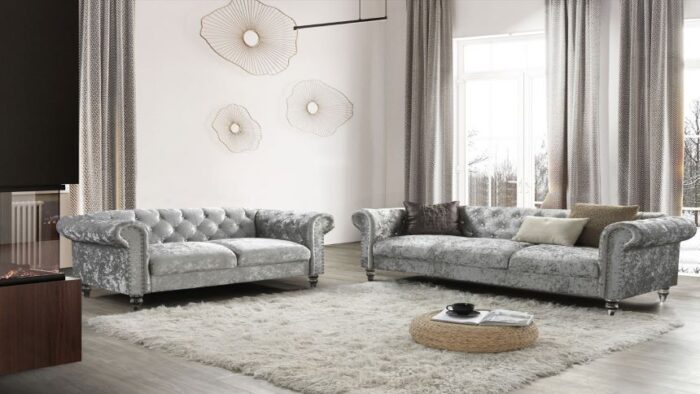
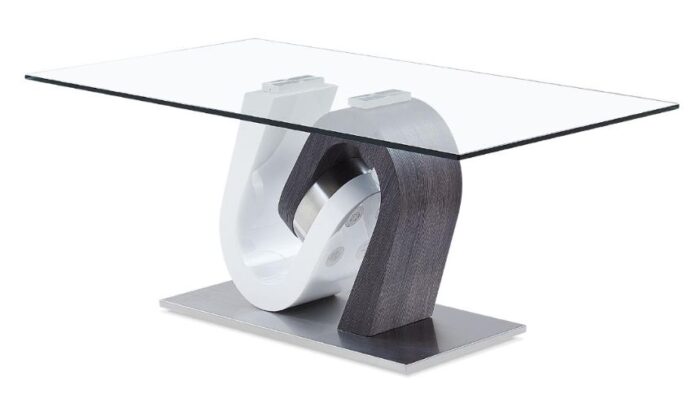
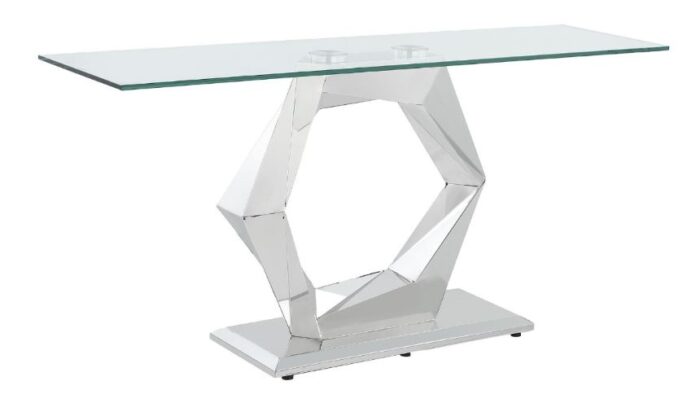

Choosing the right Amart Coffee Table is about more than matching a sofa. It shapes how people move through the room, where drinks sit, and whether everyday clutter has a place. A low table can make a compact lounge feel open, while a broad top offers room for books, snacks, and remote controls. But the wrong proportions become obvious fast. You notice them every day.
Design thinker William Morris offered a useful test: “Have nothing in your houses that you do not know to be useful or believe to be beautiful.” That principle suits coffee-table shopping well. Look beyond the finish and consider the table’s height, footprint, storage, materials, and care needs. Measure the sofa and available floor space before deciding; product dimensions and finishes can vary between models. Small details matter.
This Top 10 guide compares Amart Coffee Table options through practical questions: Does the shape suit the room? Is there useful storage? Will the surface tolerate daily use? A sturdy timber-look finish may suit a busy family area, while a glass top can keep a smaller room visually lighter. Neither choice is perfect. Glass shows fingerprints; bulky tables can crowd walkways. The best option depends on your space, habits, and budget—not a ranking alone. Use the shortlist as a starting point, then confirm current specifications and inspect the finish in person when possible. Even a good pick deserves a second look.
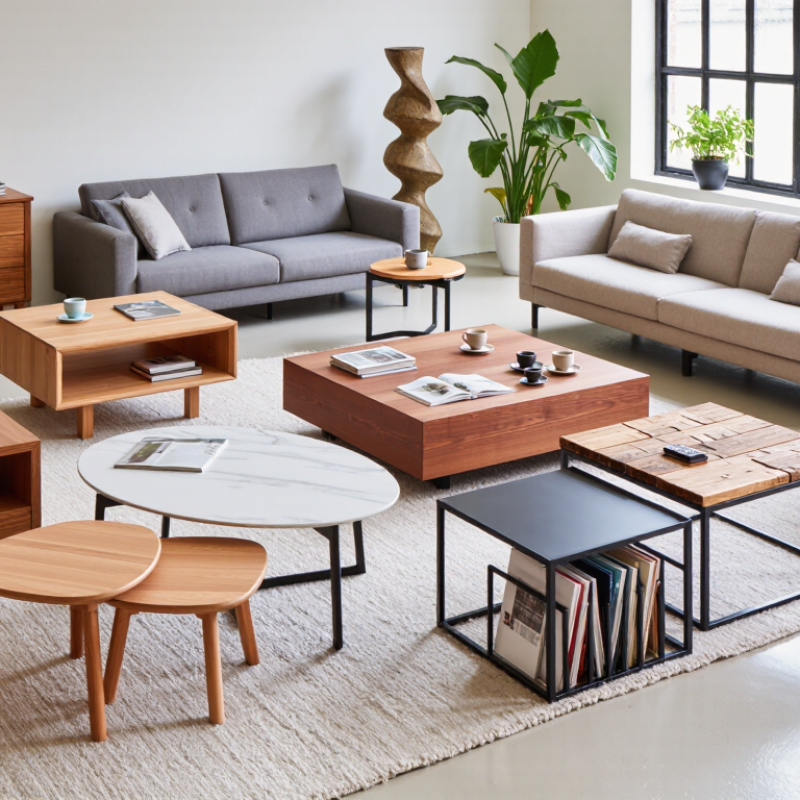
A well-defined coffee table balances useful surface space, stable construction, and a shape that suits the room. It should sit comfortably beside the sofa, with enough clearance for walking and reaching. In many living rooms, a height close to the sofa seat feels practical, though the exact match depends on how you use the space. Measure before buying. A tabletop that looks generous in a showroom can crowd a smaller room.
Materials also shape daily use. Timber can bring warmth and show natural grain, while glass keeps a room feeling visually open. Both have trade-offs: wood may mark, and glass shows fingerprints quickly. Check how the legs connect to the top, and whether the table wobbles when gently pressed. That matters. Storage can help hide remotes, magazines, and charging cables, but drawers need room to open without hitting the sofa. Rounded corners may be easier to navigate in a narrow walkway. Looks are not enough. A useful design fits the room, handles ordinary wear, and still leaves space for a cup, a book, and your feet. I would not choose by appearance alone; a beautiful table can become an obstacle by the end of the week.
This chart shows a common sizing guideline: choose a coffee table about 50%–66% of your sofa’s length. The values are calculated from the sofa lengths shown; they are general planning guidance, not measurements of specific products.
A well-proportioned coffee table should also sit close to the sofa seat height and leave comfortable walking space. Measure your room and furniture before choosing a table.
When comparing ten coffee tables, measure the sofa seat before judging style. A tabletop close to seat height is usually easier to reach. Check the table’s length against the sofa, too; oversized tops can crowd knees and walking paths. A small mismatch matters. Compare frame stability, edge shape, finish, and weight capacity, especially if the table will hold books or a full tray. Drawers and lower shelves add useful storage, but they can make a compact room feel busy.
Material affects upkeep. Solid wood can be refinished, while glass shows fingerprints and may feel visually lighter. Veneer quality and sealed edges matter near drinks. The U.S. EPA’s 2020 report, Advancing Sustainable Materials Management, estimated that 12.1 million tons of furniture and furnishings were generated in 2018; 9.6 million tons went to landfills. That figure covers furniture broadly, not coffee tables alone, but it supports considering repairable construction and durable finishes. A beautiful table is not automatically practical. I’d still check assembly quality in person when possible.
Tips: Measure the available floor space and mark the table footprint with tape. Test drawer clearance and wipe the finish with a damp cloth, if permitted. Compare delivery dimensions with doorways and stairs. Don’t rely on product photos alone.
A general comparison of common coffee-table styles. Dimensions are representative examples; check individual product specifications before buying.
| Option | Style and Shape | Typical Dimensions (W × D × H) | Common Materials | Storage | Key Advantage | Best Suited To |
|---|---|---|---|---|---|---|
| 1. Rectangular timber table | Classic, straight-edged | 110 × 60 × 40 cm | Solid or engineered timber | Often an open lower shelf | Generous surface for everyday use | Medium to large living rooms |
| 2. Round timber table | Circular, soft profile | 80 × 80 × 40 cm | Timber or timber veneer | Usually none or a small shelf | No sharp corners; easy to move around | Compact rooms and family spaces |
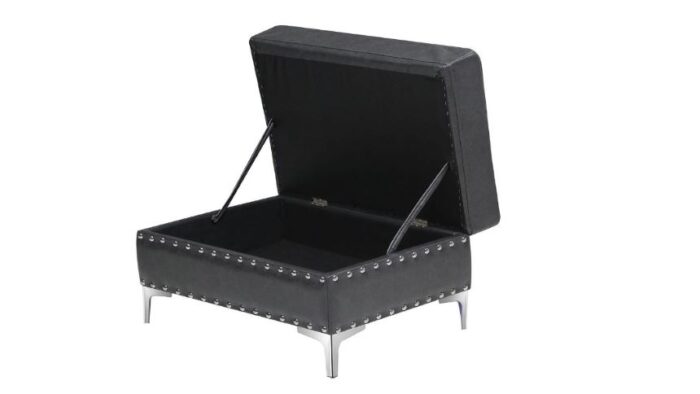
| 3. Lift-top storage table | Rectangular, adjustable top | 100 × 55 × 42 cm | Engineered timber with metal hardware | Concealed compartment | Raises the surface for working or dining | Small homes and multi-use rooms |
| 4. Nested tables | Two or three tables of different sizes | Large table: about 70 × 70 × 45 cm | Timber, metal, or a combination | No enclosed storage | Smaller tables tuck away when not needed | Flexible seating arrangements |
| 5. Glass-top table | Rectangular or oval, visually light | 105 × 60 × 40 cm | Tempered glass and metal or timber frame | Usually none | Open appearance lets more light through | Smaller rooms and contemporary interiors |
| 6. Metal-frame table | Industrial, often rectangular | 100 × 55 × 42 cm | Steel frame with timber or composite top | May include a lower shelf | A sturdy frame with a practical surface | Industrial and casual interiors |
| 7. Oval coffee table | Elongated oval | 115 × 60 × 40 cm | Timber, veneer, or glass | Varies; sometimes an open shelf | Rounded ends help maintain clear walkways | Long sofas and narrow living areas |
| 8. Storage-drawer table | Rectangular, enclosed design | 105 × 60 × 42 cm | Engineered timber or solid timber | One or more drawers | Keeps small items out of sight | Living rooms where clutter control matters |
| 9. Small square table | Compact, four-sided | 70 × 70 × 40 cm | Timber, engineered board, or metal | Optional lower shelf | Fits neatly in a compact seating area | Apartments and small lounges |
| 10. Two-tier table | Rectangular or round with a lower tier | 100 × 55 × 42 cm | Timber or metal frame with a solid top | Open lower shelf | Adds accessible display and storage space | Homes needing extra shelf space |
Quick comparison tip: Choose a table close to sofa-seat height, leave comfortable room to walk around it, and compare the tabletop material, storage, stability, and care requirements.
Choosing among ten coffee-table styles is easier when daily use comes before appearance. A lift-top design suits laptop work or snacks, while a storage table hides remotes and magazines. Nesting tables adapt to guests, and slim rectangular shapes leave clearer paths through narrow rooms. Small rooms need restraint.
Round tables soften tight seating arrangements and reduce sharp corners near busy walkways. Glass tops keep a compact room feeling open, though fingerprints show quickly. Solid wood brings warmth and handles everyday contact well, but its weight can make rearranging awkward. Metal frames create a lighter, more industrial look. They may feel cold beside soft fabrics.
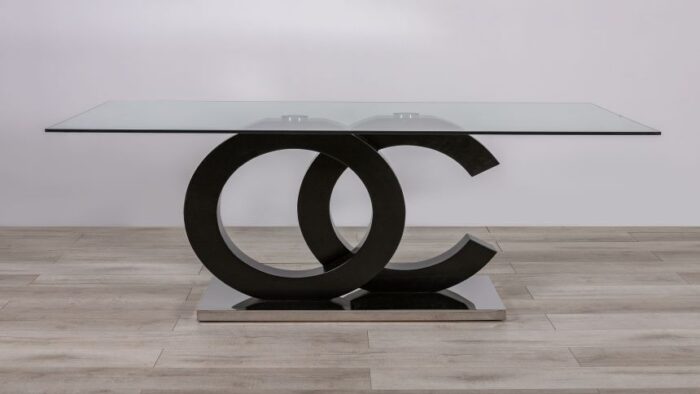
For flexible living rooms, choose a compact table with a lower shelf; baskets can keep clutter contained. A sculptural pedestal style makes a stronger visual statement, but check its stability before placing drinks on it.
Measure the sofa height and leave enough knee space before buying. Looks matter, too. I once favored a dramatic finish, then found it showed every smudge in afternoon light. The best fit is not always the most striking one; it should suit the room’s traffic, storage needs, and cleaning routine.
Choosing a coffee table starts with the room, not the product photo. Measure the distance between your sofa and Tv Stand, then leave enough space to walk through comfortably. A table around knee height usually sits naturally beside a standard sofa, but your own seat matters more than a rule of thumb. In a narrow room, a slim oval or round shape can soften corners and make movement easier. A large square table may look balanced online, yet feel awkward beside a compact couch.
Tips: Mark the table’s footprint with masking tape. Walk around it. Check drawer or lift-top clearance, too. Measure twice; it’s easy to forget the rug edge.
Think about daily habits. If you set down mugs, choose a surface that is easy to wipe and has room for coasters. Families with young children may prefer rounded edges and a stable, heavier base. Need hidden storage? A shelf can hold remotes, while a lift-top design may suit occasional laptop work. Check that the mechanism feels smooth and that the top stays steady. One detail people overlook is rug placement: a table that sits partly on a thick rug can wobble. That may not show in a showroom. Also consider whether you truly need storage; extra compartments can collect things you rarely use.
A coffee table should fit the way a room is used, not just its floor plan. For compact living rooms, measure the walkway before choosing a wide, solid design; a slim rectangular or nesting table can leave more floor visible. For households that eat or work on the sofa, a lift-top surface adds reach and storage, though its hinges need checking and it may feel bulky when raised. With children or frequent visitors, rounded corners and a stable base matter more than a fashionable finish. Small details count.
Storage needs vary, too. A lower shelf keeps remotes and magazines close, while a closed compartment hides clutter but can make a table look heavier. The U.S. EPA’s 2018 waste assessment estimated that 12.1 million tons of furniture and furnishings entered the U.S. municipal waste stream; 80.1% was landfilled. That is a useful reason to consider durable materials and a size that can adapt if your room changes. Still, “durable” is not always easy to judge from a product photo. Check dimensions, load guidance, edge finish, and assembly details before buying. A table that suits your habits may be plain. That is fine.
No account yet?
Create an Account