What are the Key Properties of Chenille Yarn for Buyers?
In the vibrant world of textiles, understanding Chenille Yarn Properties is crucial for buyers. According to Dr. Jane Collins, a renowned textile expert, "The unique characteristics of chenille yarn redefine comfort and creativity in fabric." She emphasizes the importance of knowing these properties before making any purchase. Buyers should consider the softness, durability, and versatility of chenille yarn.
Chenille yarn stands out due to its plush texture and rich color, making it ideal for cozy blankets and stylish apparel. However, not all chenille yarn is created equal. Some may lack the durability needed for everyday use, leading to disappointment. Buyers must be aware of the variations in quality and how they impact the end product.
When choosing chenille yarn, reflect on the project at hand. Will the yarn withstand frequent washing? Is the color fast? These questions matter. Understanding the nuanced properties can make a significant difference in the overall satisfaction with the final outcome. Balancing aesthetics with functionality is essential for any savvy buyer.
Definition and Characteristics of Chenille Yarn
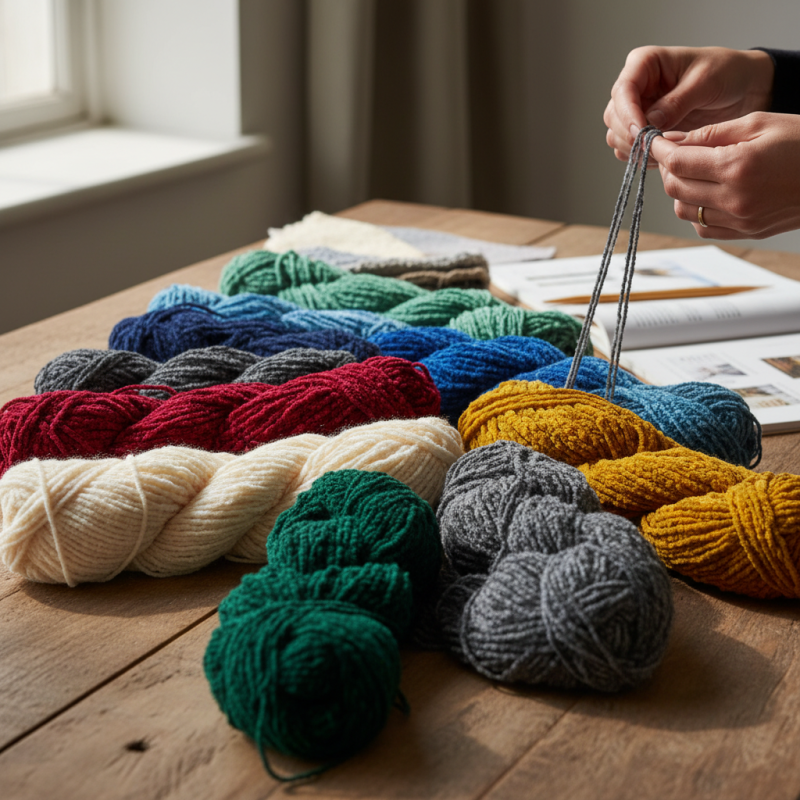
Chenille yarn is a unique fabric known for its plush texture and vibrant appearance. This yarn is characterized by short strands that resemble a caterpillar. It creates a soft, fuzzy surface, ideal for various projects. The structure of chenille yarn makes it exceptionally cozy. When you touch it, you can feel its luxurious softness. This feature attracts many buyers looking for warmth in their creations.
One key property of chenille yarn is its versatility. It can be used in knitting, crocheting, and crafting. It adapts well to various patterns, adding a distinct flair to garments and home decor. However, working with chenille can be tricky. The yarn can be slippery, making it difficult for beginners to hold while crafting. Tangles often occur, and some may find this frustrating. Experienced crafters often recommend practicing with smaller projects to gain confidence.
Another notable characteristic is its durability. Despite its soft appearance, chenille yarn holds up well over time. It is easy to care for, often being machine washable. However, improper washing techniques can lead to a loss of texture. Buyers should pay attention to care instructions. Chanille yarn offers a unique blend of elegance and practicality. This combination makes it a favorite among crafters aiming to elevate their work.
Key Properties of Chenille Yarn
This chart displays the key properties of chenille yarn, highlighting its softness, durability, color variety, versatility, and thickness. Each property is rated on a scale from 0 to 10, demonstrating its strengths as a preferred material in textiles.
Material Composition and Manufacturing Process of Chenille Yarn
Chenille yarn is unique in its material composition and manufacturing process. Typically, it is made from polyester, cotton, or a blend of both. The choice of these materials directly influences the yarn's softness and durability. According to a report by the Textile Research Journal, chenille's pile structure enhances its tactile qualities, making it a popular choice for upholstery and home textiles.
The manufacturing process of chenille yarn involves creating a pile that is then twisted around a central core. This technique, known as "cut yarn", results in a soft, plush texture. During production, controlling the twist and tension is crucial. An inconsistency in these factors can lead to variations in quality. A study from the International Journal of Textile Science highlights that an optimal twist can improve both strength and aesthetic appeal.
However, not all chenille yarns are created equal. Variations in material sources and production methods can impact the final product. Buyers should be aware that cheaper alternatives might compromise the yarn's quality. Understanding the genesis of chenille yarn can help buyers make informed decisions. Quality materials and precise manufacturing can create a product that stands the test of time.
Texture, Softness, and Durability of Chenille Yarn
Chenille yarn is renowned for its unique texture. The soft, velvety appearance brings a luxurious feel to any project. This yarn consists of tufted fibers, creating a plush surface that adds depth and interest. When you run your fingers through it, the gentle softness is immediately apparent. The tactile experience is often what draws many artisans to this yarn.
Durability is another important characteristic of chenille yarn. Despite its delicate look, it withstands everyday use well. The fiber structure helps resist wear and tear, making it suitable for various items. However, misuse can lead to fraying. When machine washing, always opt for a gentle cycle. This will help maintain its integrity over time.
While chenille yarn has several appealing qualities, it can be challenging to work with. The softness may complicate stitching and lead to uneven tension. Knitters and crocheters sometimes struggle with visibility, as the texture can obscure stitches. Patience is essential when crafting with it. Embracing the learning curve opens the door to creating beautiful, tactile projects.
Color Fastness and Dyeing Techniques for Chenille Yarn
Color fastness is a crucial factor for Chenille yarn buyers. It determines how well the colors hold up during washing and exposure to light. Chenille yarns often undergo special dyeing processes. These techniques can enhance the color vibrancy but vary widely among manufacturers.
Different dyeing methods impact the overall quality. Reactive dyes offer strong color adhesion, while acid dyes are suitable for protein fibers. It's essential to understand which dyeing technique is used. Buyers may find discrepancies in color accuracy from different suppliers. It's worth checking color samples before making large purchases.
Even with the right dyeing technique, factors like water quality and temperature play a role. Improper washing can lead to fading, regardless of the dyes used. Care instructions should be provided by suppliers, but they are not always clear. Buyers need to remain vigilant about these details to ensure lasting vibrancy in their projects.
Applications and Uses of Chenille Yarn in Various Industries
Chenille yarn finds extensive use across various industries due to its unique properties. In the textile sector, it is prized for its soft texture and rich sheen. This fabric has become popular for producing plush home furnishings, such as cushions and throws. According to a recent market report by Grand View Research, the global home textiles market is projected to reach USD 150 billion by 2027, with chenille yarn playing a significant role in this growth.
In the fashion industry, chenille yarn is often used in clothing and accessories. Its fuzzy surface provides a tactile experience that enhances consumer appeal. A survey conducted by the Textile World indicated that 68% of consumers prefer fabrics that feel soft against the skin. Chenille also offers a spectrum of colors, making it versatile for creative designs. Still, some challenges remain. The yarn can be prone to shedding and may require careful care to maintain its appearance.
Additionally, the craft industry has embraced chenille yarn for knitting and crocheting. The bulkiness of the yarn helps create thicker, warmer items quickly. According to the Craft Yarn Council, about 35% of U.S. households participate in some form of crafting. However, the price point can be a consideration for budget-conscious crafters. Balancing quality and cost remains a key consideration for buyers.