2026 How to Choose the Perfect Kitchen Chairs for Your Home?
Choosing the right kitchen chairs can transform your home. Kitchen chairs serve more than a functional purpose; they add character and style. Imagine gathering around a beautifully set table. Comfort and functionality should guide your choices.
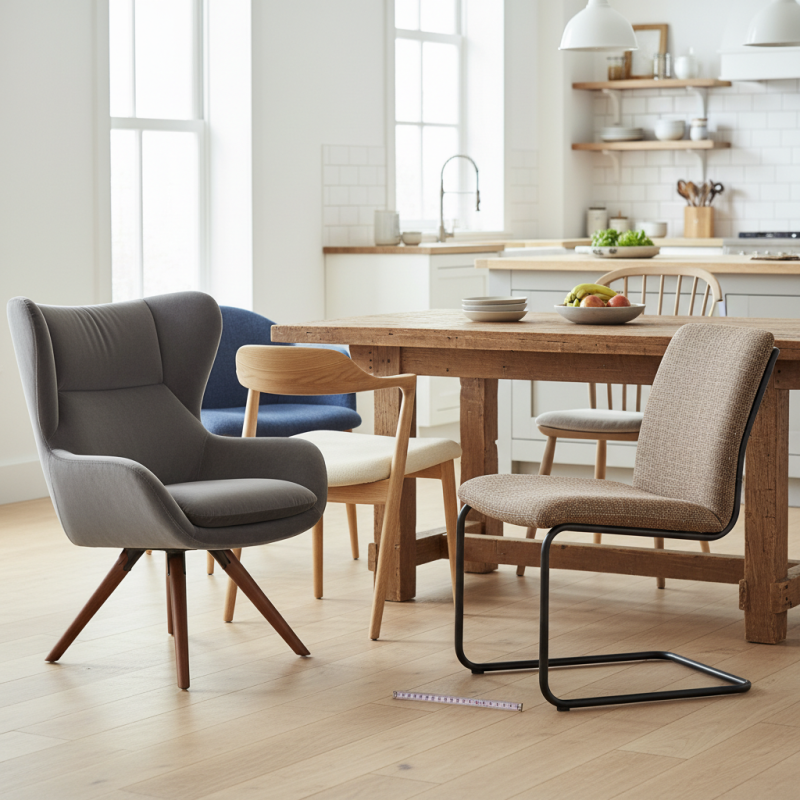
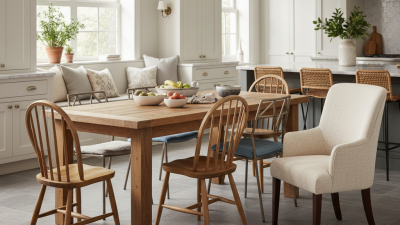
Consider the space in your kitchen. A small area may benefit from sleek, stackable chairs. In contrast, a spacious dining area can accommodate larger, upholstered options. Think about your family’s needs, too. Will children use the chairs? Durable materials might be essential.
Visually, kitchen chairs should complement your kitchen décor. However, personal taste plays a significant role too. Neutral colors offer versatility, while bold hues create a statement. Consider mixing styles for a unique touch. Embracing imperfections can often lead to innovative combinations. Reflect on these aspects before making a decision.
Factors to Consider When Selecting Kitchen Chairs for Your Home
Choosing kitchen chairs involves several crucial factors. Comfort is paramount. According to the American Home Furnishings Alliance, 78% of homeowners prioritize comfort when selecting seating. Chairs should support the body well during meals or gatherings. A good chair height should allow diners to sit with their feet flat on the ground. Not all chairs accommodate this perfectly.
Material choice is another important consideration. Wood, metal, and upholstery each convey a different look and feel. A survey by furniture industry experts indicates that 67% of people prefer wooden chairs for durability and aesthetic appeal. However, they can be heavy and hard to move. Consider maintenance. Upholstered chairs may offer comfort but require regular cleaning to avoid stains.
Style plays a significant role, too. The right chair should complement your kitchen's decor while standing out subtly. Trends show that mixed-material chairs are gaining popularity, with 45% of consumers opting for a blend of wood and metal. Still, striking a balance between trendy and timeless can feel overwhelming. Water stains, scuffs, and wear can quickly diminish aesthetics, inviting reflection on the choice of materials and designs.
Understanding Different Materials Used in Kitchen Chair Construction
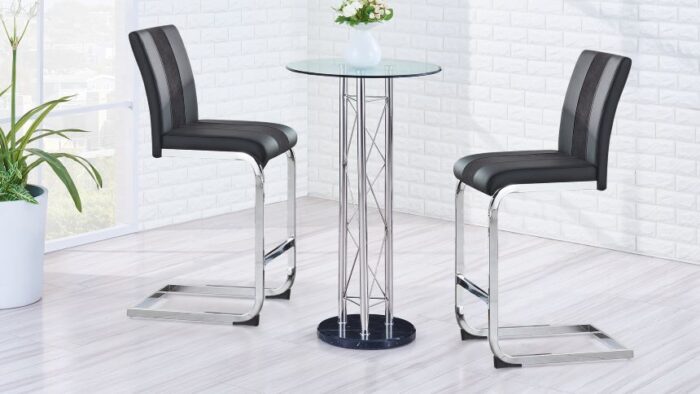
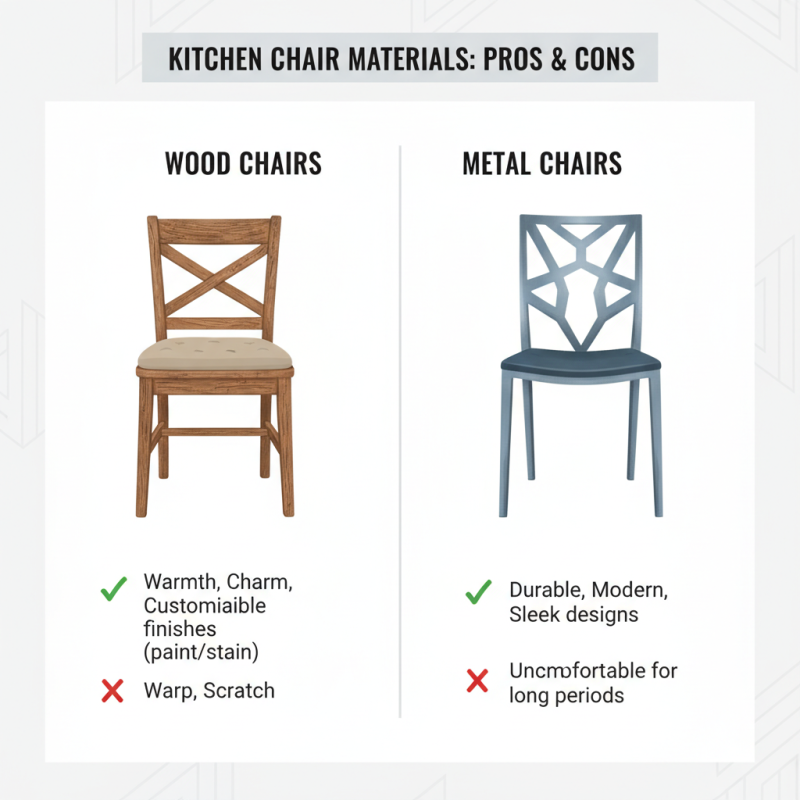
When choosing kitchen chairs, material is key. Wood offers warmth and charm. It can be painted or stained in various colors. However, wood can also warp or scratch over time. Consider the trade-offs. Metal chairs are durable and modern. They usually come with sleek designs. Yet, sitting on metal for long periods can be uncomfortable.
Plastic chairs are lightweight and often very affordable. They come in many styles and colors. However, they may not provide the best support. They can feel flimsy at times. Natural materials, like rattan or bamboo, add a touch of nature. They’re stylish but require more care. They can suffer from moisture damage if not maintained.
Choosing the right material is a balance between style and practicality. Reflect on your lifestyle needs. If you have kids, sturdy chairs might be necessary. If you often host gatherings, focus on comfort. Think about how the chairs will fit into your overall kitchen design. Each material has its pros and cons, so choose wisely.
Design Styles of Kitchen Chairs to Complement Your Home Decor
When selecting kitchen chairs, design style matters greatly. Your choices should reflect the overall decor of your home, creating a cohesive feel. Research indicates that nearly 60% of homeowners prioritize design when choosing furniture. Kitchen chairs can enhance your space’s visual appeal or disrupt it entirely.
Consider the aesthetic of your kitchen. A modern kitchen may benefit from sleek, minimalist chairs. Conversely, rustic-style homes often look best with wooden, vintage-inspired seating. Pay attention to colors and materials. Neutral tones can blend seamlessly, while bold colors can serve as statement pieces.
Tip: Measure your space before purchasing. Ensure that chairs fit comfortably around the table. If you're working with a smaller area, opt for chairs that can be tucked away easily.
Comfort is another essential aspect to reflect on. While high-style chairs look attractive, they must also provide adequate support. Uncomfortable chairs may lead to unsatisfying dining experiences over time. Aim for a balance between form and function.
Tip: Test chairs in store whenever possible. This ensures they meet your comfort needs. Remember, sometimes the most beautiful chair isn't the one that feels the best.
Evaluating Comfort and Ergonomics in Kitchen Chair Selection
Choosing the right kitchen chairs is crucial for comfort and style. When evaluating comfort, think about how you sit. A chair should support your back. Look for a design that fits your body's natural curves. Soft cushions may feel nice, but they can wear out quickly. Consider materials that are durable and easy to clean.
Ergonomics plays a vital role too. The right height matters. If a chair is too low, it can strain your knees. If it’s too high, your feet may dangle. Finding a balance is essential. Don’t forget the armrests. They can add support but might limit movement. Experiment with different angles to ensure optimal comfort.
Sometimes, what looks good isn't practical. A stylish chair can clash with your table's height. Be mindful of this mismatch. When testing chairs, sit in them for a while. This helps you feel how they adapt to your body. Often, what feels great at first might become uncomfortable later. Reflect on your choices to ensure satisfaction.
Comfort and Ergonomics Ratings of Kitchen Chairs
This chart illustrates the comfort and ergonomic ratings of various types of kitchen chairs based on user surveys. The ratings are on a scale from 1 to 10, where 1 indicates poor comfort and ergonomics, and 10 indicates excellent comfort and ergonomics.
Budgeting Tips for Purchasing Kitchen Chairs without Compromising Quality
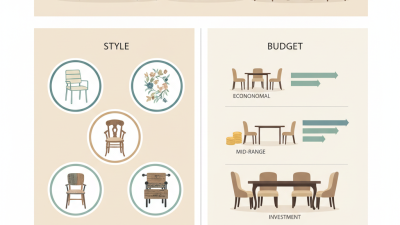
When choosing kitchen chairs, budget is crucial. You want quality, but you also need to be savvy. Finding the right balance can be tricky. Start by setting a realistic budget. Consider how many chairs you need and the style you desire. This helps narrow your options right away.
**Tip:** Look for sales or discounts. Many stores have seasonal sales. Also, consider buying floor models. They are often in excellent condition and come at a better price.
Material matters too. Wood, metal, or upholstered chairs each have their pros and cons. Wooden chairs are durable but may require more maintenance. Upholstered chairs can be comfortable but might stain easily. You may want to reflect on your lifestyle when choosing materials.
**Tip:** Prioritize sturdiness over style. It’s easy to fall for trendy designs. However, if the chair wobbles, it’s not worth it. Don’t compromise on quality just to save a few dollars. You often get what you pay for. Choose wisely.
2026 How to Choose the Perfect Kitchen Chairs for Your Home? - Budgeting Tips for Purchasing Kitchen Chairs without Compromising Quality
| Material |
Price Range |
Durability |
Comfort Level |
Style |
| Wood |
$100 - $300 |
High |
Medium |
Classic |
| Metal |
$80 - $250 |
Very High |
Medium |
Modern |
| Plastic |
$50 - $150 |
Medium |
High |
Casual |
| Upholstered |
$150 - $400 |
Medium |
Very High |
Elegant |
| Bamboo |
$70 - $200 |
High |
Medium |
Eco-friendly |