Essential Tips for Choosing the Best Aluminum Door Lock?
Choosing the right Aluminum Door Lock is crucial for both security and convenience. An aluminum door lock not only offers protection but also enhances the aesthetic appeal of your property. With numerous options available, it can be overwhelming to find the ideal lock that meets your needs.
When selecting an aluminum door lock, consider factors such as durability, design, and security features. A good lock should withstand wear and tear while providing reliable security. Look for reputable brands known for their expertise in door hardware. They often offer locks that combine functionality with an elegant design.
Many people overlook the importance of reading user reviews. Customer experiences can guide you in making a well-informed decision. It is also worth noting that sometimes the cheaper option may compromise security. Balancing cost and quality is a common challenge. So, take your time and research thoroughly before making a purchase. Your safety and peace of mind are worth it.
Importance of Security Ratings for Aluminum Door Locks in Home Safety
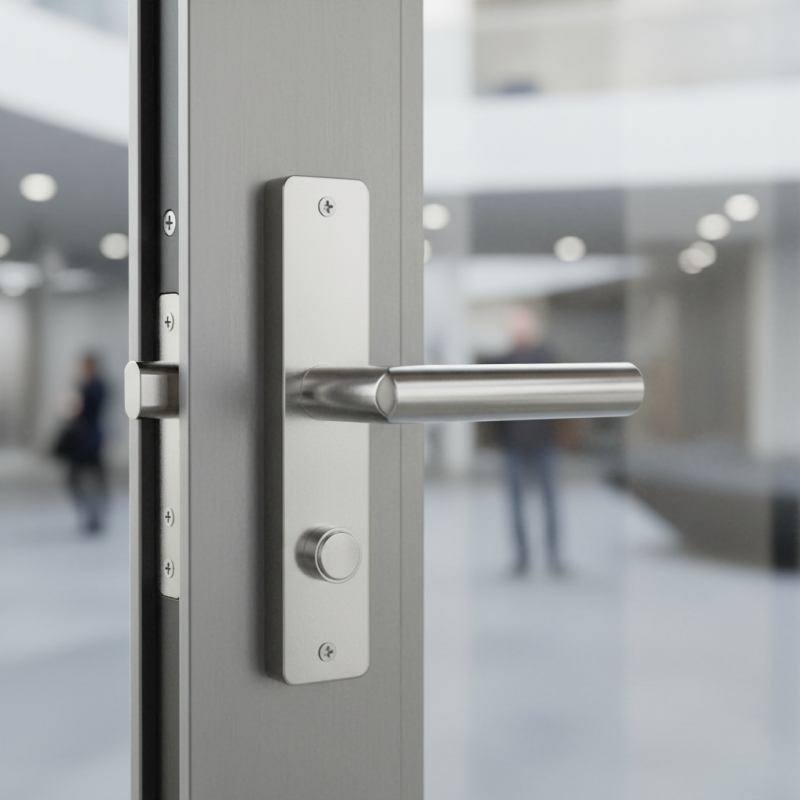
When selecting aluminum door locks, understanding their security ratings is vital for home safety. Security ratings evaluate how resistant a lock is to break-ins and unauthorized access. These ratings are often determined by rigorous testing procedures. A higher rating means better security, making it harder for intruders to bypass your locks.
Many homeowners underestimate the importance of these ratings. It’s easy to assume that all locks are equally secure. However, not all locks are created equal, and a poor choice can compromise your home. Think about the peace of mind that comes from a well-rated lock. This could deter potential intruders before they even attempt a break-in.
Consider the specific security features that enhance a lock's rating. Look for features like anti-drill plates, robust materials, and deadbolts. These elements contribute to a product's overall effectiveness. Sometimes, choosing a lock based solely on aesthetics can lead to regret. Reflect on what matters most: security should come first when protecting your home and loved ones.
Understanding Different Types of Aluminum Door Locks and Their Functions
When selecting aluminum door locks, it's crucial to understand the various types available and their respective functions. The most common types include deadbolts, knob locks, and lever handle locks. According to industry reports, deadbolts provide superior protection and are preferred for exterior doors. They are designed to resist forced entry, making them a top choice for security-conscious homeowners.
Knob locks are more common for interior doors. They offer general security but are less robust than deadbolts. Lever handle locks bridge the gap, providing ease of use while maintaining a decent level of security. It's noted that organizations like the American National Standards Institute (ANSI) provide ratings for these locks, which can guide your selection process.
When choosing an aluminum door lock, keep these tips in mind: select locks that meet at least ANSI Grade 1 standards for the best security. Consider factors like ease of installation and compatibility with your door frame. Also, inspect the warranty and customer support options. These can reflect the manufacturer's confidence in their product. Always remember, a quality lock is only as good as its installation. Regular maintenance can prolong its lifespan and effectiveness, so don’t neglect this aspect.
Key Factors to Consider When Selecting Durable Aluminum Door Locks
When selecting durable aluminum door locks, several key factors come into play. One essential consideration is the quality of materials. Look for locks made from high-grade aluminum. According to the National Institute of Standards and Technology, aluminum alloy locks provide better resistance against wear and corrosion. This enhances longevity, especially in coastal areas where salt exposure is common.
Another critical aspect is the lock's mechanism. Deadbolts are often more secure than standard latch bolts. Research indicates that deadbolt locks can offer resistance against forced entry. A study from the Security Industry Association found that locks with an ANSI Grade 1 rating provide the highest level of security. This means they can withstand continuous use and various attack methods.
Additionally, consider the installation process. Even the best locks can fail if poorly installed. Research shows that nearly 30% of home break-ins occur due to inadequate locking mechanisms. Therefore, investing in a professional installation service is worth it. It may add to your initial costs but ensures the lock functions effectively. Selecting the right aluminum door lock involves careful evaluation of these factors for better security and durability.
Comparison of Key Factors in Choosing the Best Aluminum Door Locks
Comparative Analysis of Lock Materials: Aluminum vs. Other Options
When comparing aluminum locks to other materials, durability stands out. Aluminum locks resist rust and corrosion, making them suitable for various climates. This resilience can prolong their lifespan, especially in humid or coastal areas. However, aluminum itself is softer than materials like steel. This softness can make it more susceptible to wear over time.
Steel, on the other hand, offers exceptional strength. It can withstand significant force, providing superior security. However, steel locks may corrode if not properly treated. They also tend to be heavier than aluminum locks, which can be a drawback for some users. Additionally, some users find steel locks harder to install due to their weight.
Consideration of weight and ease of installation is crucial. Heavier locks may require more robust door frames. Furthermore, personal experiences vary. Some homeowners have found aluminum locks sufficient for their needs, while others prefer the peace of mind that steel provides. It’s essential to reflect on personal security requirements before making a choice.
Installation Tips for Optimal Performance of Aluminum Door Locks
When it comes to installing aluminum door locks, precision is key. Start by ensuring that your door frame is level and sturdy. A misaligned frame can lead to issues with the lock's functionality. Use a level tool to check for any discrepancies.
Consider the door thickness before installation. The lock cylinder should fit snugly within the door. Too much space can invite security risks and malfunctions. Measure carefully and adjust intrusions if necessary. Proper fitting ensures smooth operation.
While installing, pay attention to the positioning of the lock mechanism. It should align perfectly with the latch. Misalignment can cause excessive wear. Regularly test the locking mechanism post-installation. Noticing small issues early can save you from significant repairs later.