What is a Combination Freezer and How Does It Work?
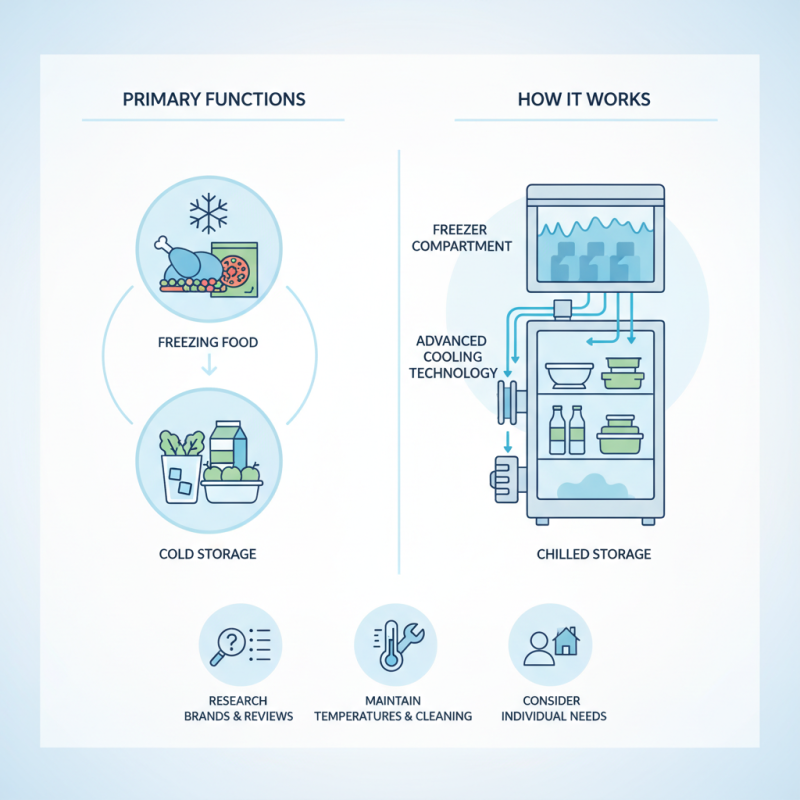
A combination freezer is an essential appliance for many households. It serves two primary functions: freezing food and providing cold storage. This versatile unit combines both features in one space-saving design. Understanding how a combination freezer works can help you make informed choices about food storage.
These appliances utilize advanced cooling technology to maintain optimal temperatures. They often include separate compartments, allowing users to freeze items securely while keeping others chilled. This layout enhances food preservation and reduces waste. However, not every combination freezer performs equally. It's crucial to research brands, read reviews, and consider individual needs.
While combination freezers offer convenience, they may also present challenges. For example, frost buildup can occur if not maintained correctly. Users must be diligent about cleaning and monitoring temperatures to prevent spoilage. Overall, a combination freezer can be reliable if used properly and with regular upkeep.
Definition and Overview of Combination Freezers
Combination freezers are dual-function appliances that both freeze and refrigerate food items. This makes them a popular choice for both households and businesses. These units combine the capabilities of a refrigerator and a freezer into one compact unit. According to a report by the International Institute of Refrigeration, the energy efficiency of combination freezers has improved significantly, resulting in 20% less energy consumption compared to models from a decade ago.
The design of combination freezers optimizes space while maintaining effective cooling. These appliances often have separate compartments, allowing for better temperature control. Studies indicate that maintaining a freezer temperature at or below 0°F (-18°C) ensures food safety. However, users sometimes overlook the importance of regularly checking temperatures, leading to potential food spoilage.
Tip: Perform routine checks on the freezer compartment to ensure it stays below the recommended temperature.
Another concern is frost buildup. This can reduce efficiency and lead to food being stored improperly. Many combination freezers now feature frost-free technology, which prevents ice accumulation. Despite advancements, users still report that they occasionally neglect manual defrosting.
Tip: If your freezer isn't frost-free, make a schedule for regular defrosting. It can extend the appliance's lifespan.
Overall, understanding how combination freezers function is essential for maximizing their benefits and ensuring food safety.
Key Components of a Combination Freezer
A combination freezer is a versatile appliance found in many homes. It combines both freezing and refrigeration functions in one unit. Understanding its key components can help users make informed choices.
The compressor is the heart of the combination freezer. It compresses and circulates refrigerant, maintaining the necessary temperature. Next, the evaporator coil absorbs heat from inside, cooling the air. A fan then distributes this cold air throughout the compartments, ensuring even cooling.
Another essential part is the thermostat, which monitors the temperature. Users can adjust settings to accommodate different storage needs. The door seals help maintain efficiency by preventing cold air from escaping. While these systems generally perform well, occasional maintenance is crucial. Dust buildup can hinder performance, leading to inefficient operation. It's vital to check components regularly for any signs of wear or malfunction.
Combination Freezer Performance Overview
How Combination Freezers Operate Mechanically
Combination freezers are an essential appliance in modern kitchens. They serve two main functions: freezing and refrigeration. Understanding how they operate can enhance your experience with these versatile units.
Mechanical operation relies on a refrigeration cycle. A compressor compresses refrigerant gas, raising its temperature and pressure. This gas moves to the condenser coils, where it cools down. As it cools, it turns into a liquid. Next, this low-pressure liquid flows to the evaporator coils, where it absorbs heat, creating cold air. This cycle repeats continuously to maintain the desired temperature.
Cooling efficiency can vary depending on factors like temperature settings and ambient conditions. Regular maintenance is necessary for optimal performance. If the seals on the doors are worn, cold air can escape, affecting efficiency. Users should routinely check door gaskets and clean coils. A combination freezer may need to be adjusted based on your usage patterns. Learning how to operate your combination freezer effectively can improve its longevity and functionality.
Advantages of Using a Combination Freezer
A combination freezer is a versatile appliance designed for both freezing and refrigerating food. This setup offers several advantages that can enhance your kitchen efficiency. One significant benefit is the ability to store a wide variety of items, from ice cream to fresh vegetables, all in one unit. You save space and reduce the need for multiple appliances.
Another advantage is energy efficiency. Combination freezers often have advanced features that help regulate temperature effectively. This not only preserves your food better but also cuts down on electricity bills. You might consider how well it fits in your kitchen before buying, though. The size and layout must work for your needs.
Flexibility is another strong point. Many combination freezers offer adjustable shelving and temperature zones. You can customize the interior based on what you store most often. However, regular maintenance is important. Over time, frost buildup can occur and may affect performance. A few minutes spent on upkeep can significantly enhance the lifespan of your appliance.
Maintenance Tips for Optimal Performance of Combination Freezers
Maintaining a combination freezer is crucial for optimal performance. Regular cleaning is often overlooked but incredibly important. According to industry data, neglecting the condenser coils can lead to a 30% increase in energy consumption. Dirt and dust can accumulate, causing the unit to work harder. It's advisable to clean these coils every three months to ensure efficiency.
Temperature monitoring is another vital aspect. The ideal range for a combination freezer is typically between -5°F and 0°F. However, many users fail to check the internal temperature regularly. A study revealed that about 20% of combination freezers operate outside the recommended range, risking food safety and quality. Using a reliable thermometer helps catch temperature fluctuations early.
Don't forget about the door seals. Worn-out gaskets can lead to air leaks, causing further energy loss. An easy tip: perform a simple dollar bill test by closing it in the door. If it pulls out easily, the seal may need replacing. This minor maintenance step can often go unnoticed, yet it’s essential for performance. A proactive approach can save both energy and grocery costs over time.