




How to Choose the Best Trekking Shoes for Global Buyers?

Choosing the right Trekking Shoes is not a style decision. It is a field decision shaped by terrain, weather, distance, and foot shape. A pair that feels excellent on a showroom floor may rub badly after six hours on wet stone. Global buyers also face different size systems, climate conditions, and return policies. These details deserve careful attention.

Dr. Paul Langer, a podiatrist and outdoor footwear specialist, explains, “The best hiking footwear should feel secure, comfortable, and appropriate for the terrain.” That principle guides this buying process. Start with fit. Leave about one thumb’s width beyond the longest toe. Your heel should stay stable when walking downhill. Try the shoes with trekking socks, preferably late in the day, when feet are slightly swollen. Small differences matter.

Material and outsole choice require equal care. Breathable mesh may suit warm, dry trails, while treated leather or waterproof membranes help in rain and snow. Aggressive lugs can grip loose gravel, but they may feel stiff on paved approaches. Lighter Trekking Shoes reduce fatigue, yet they can offer less protection on rocky routes. There is no universal winner. Sometimes, the “best” pair is simply the one that fits your unusual foot better. That sounds obvious, but buyers often ignore it. This guide compares practical features, regional buying concerns, and real trail demands, helping readers make a safer, more informed choice.
How to Choose the Best Trekking Shoes for Global Buyers?

Define Trekking Shoe Types and Their Intended Uses

Choosing trekking footwear starts with terrain, not appearance. The Outdoor Industry Association’s 2024 report recorded 59.8 million American hikers in 2023. That scale shows why one universal trekking shoe is unrealistic.

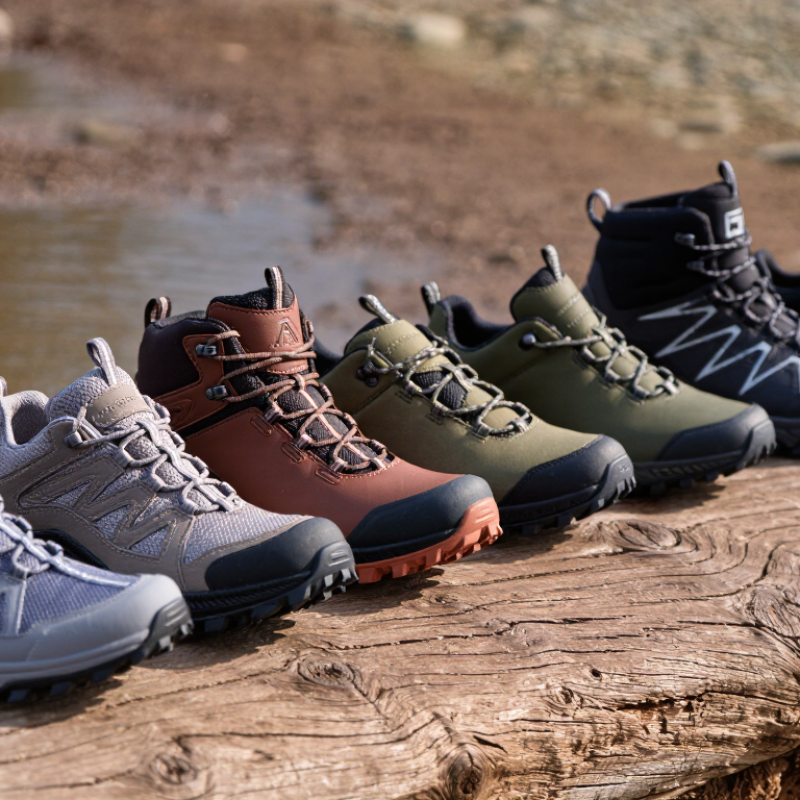
Trail shoes suit dry paths, light packs, and fast movement. Their flexible midsoles feel natural on packed dirt.

Hiking shoes add ankle structure, stronger uppers, and deeper lugs. They fit mixed trails, wet grass, and weekend loads.

Backpacking boots provide greater stiffness and protection. Use them for rocky routes, heavy packs, or multi-day journeys. They can feel tiring on easy paths.

Approach shoes offer precise grip on rock, but their climbing-focused fit may feel narrow during long walks.

Trekking sandals work in hot, well-drained conditions. They are poor choices for loose scree or cold rain.

Match the shoe to the buyer’s climate and habits. The SFIA 2024 Topline Participation Report continues to track hiking as a major U.S. activity, reinforcing the need for clear use-based categories.

Check heel security, toe room, and outsole traction before judging appearance. I once selected a rigid boot for a short, humid route. My feet overheated before the trail became difficult. That mistake still matters.

Fit varies between manufacturers, even when measurements look identical. No category is perfect. Global buyers should test socks, pack weight, and terrain together.

Assess Terrain, Climate, Distance, and Trip Conditions

How to Choose the Best Trekking Shoes for Global Buyers?

Choosing trekking shoes starts with the ground beneath your feet. Study the route before comparing materials, colors, or prices. Rocky paths need firm soles, ankle support, and secure protection around the toes. Soft forest trails may suit lighter shoes with flexible movement. Muddy slopes require deep, widely spaced lugs for better grip. On mixed routes, avoid choosing the stiffest option automatically. Excess support can make long walking feel tiring.

Climate changes how your feet behave inside the shoe. Wet regions demand water resistance, quick drying, and careful seam construction. In hot, dry areas, breathable panels can reduce heat and moisture. Cold trips may require extra room for thicker socks, but tight footwear can reduce circulation. Do not ignore humidity. Wet socks often create discomfort before serious blisters appear. Test the shoes with your usual trekking socks. Small differences matter.

Distance and trip conditions also shape the right choice. Short day hikes may favor lighter shoes with less break-in time. Multi-day treks usually need stronger cushioning and dependable heel stability. A heavy backpack increases pressure on the feet, especially during descents. Check the total load, elevation changes, and expected walking hours. I once chose a comfortable shoe that lacked enough grip on wet stone. It worked well on dry ground, but that was not enough. Leave space for natural swelling, yet keep the heel from lifting. A perfect fit is difficult. Careful testing remains the safest approach.

Compare Fit, Support, Traction, Waterproofing, and Breathability

Choosing trekking shoes for global buyers starts with fit, not appearance. I test fit with the socks used on the trail. Measure both feet late in the day, when swelling is more likely. Try shoes on a ramp, if possible. Your toes should move freely without touching the front. A thumb of space helps during downhill walking. Do not trust one size across countries. Sizing systems vary, and foot shapes differ widely. Feet swell. Plan for that.

Support should match the route and your load. A firm heel counter can reduce unwanted movement on uneven ground. Stiffer midsoles suit rocky paths, while flexible shoes feel better on smoother trails. Traction depends on lug depth, rubber grip, and surface design. Shallow lugs may slide on wet mud. Deep lugs can feel awkward on pavement. Waterproofing protects against rain and shallow puddles, but it may slow drying after water enters from the ankle. I once chose maximum waterproofing for a humid trek. My feet stayed wet inside. That mistake taught me to consider climate, not marketing claims.

Breathability matters in hot or tropical regions. Mesh sections release heat, but they offer less water resistance. In cold, wet areas, breathable waterproof layers may be more practical. Inspect stitching, tongue gussets, and sole bonding before purchase. Ask sellers for measured weight and material details. Read return policies carefully, especially when ordering internationally. A shoe can be technically excellent and still fail your foot shape. Test it indoors before trusting it outdoors.

How to Choose the Best Trekking Shoes for Global Buyers

A practical comparison of the five factors that most influence trekking-shoe performance across mixed terrain and changing weather conditions.

How to read the chart: The percentages are a transparent buying-weight model totaling 100%. Fit and traction receive the highest priority because poor fit causes discomfort and inadequate grip increases slipping risk. Support, waterproofing, and breathability should then be adjusted according to pack weight, terrain, rainfall, and climate.

Fit — 25%
Secure heel, comfortable toe box, and minimal movement.
Traction — 25%
Outsole grip suited to rock, mud, loose soil, and wet surfaces.
Support — 20%
Useful for uneven ground, longer walks, and heavier backpacks.
Waterproofing — 15%
Helps keep feet dry in rain, puddles, and damp trails.
Breathability — 15%
Improves comfort by allowing heat and moisture to escape.

Match Materials, Weight, Durability, and Maintenance Needs

How to Choose the Best Trekking Shoes for Global Buyers?

The best trekking shoe balances material, weight, durability, and maintenance. I test shoes on wet stone, loose gravel, and dusty paths before recommending them. Full-grain leather offers strong abrasion resistance and improves with careful conditioning. However, it can feel heavy and dry slowly after rain. Synthetic uppers reduce weight and usually dry faster. They may show wear sooner around sharp rocks. Waterproof membranes help in cold, wet conditions, but they can feel warm in tropical climates. Breathable mesh suits hot trails, though it provides less protection from mud and water.

Weight matters during long climbs. A lighter shoe reduces fatigue, especially for travelers carrying full packs. Yet an ultra-light design may lack support under heavy loads. Check the midsole firmness and heel stability, not only the listed weight. Durability also depends on stitching, toe protection, outsole rubber, and trail type. My first choice is not always perfect. A rugged boot can be excessive on gentle paths. A flexible shoe may fail on rocky terrain.

Tips: Match the shoe to your climate and route. Clean mud before it dries. Air-dry shoes away from direct heat. Remove insoles after wet hikes. Use manufacturer-approved conditioners for leather. Avoid strong detergents, which can weaken adhesives. Inspect the outsole before every trip. Replace worn laces early. A small repair kit helps during remote travel. Test shoes with your hiking socks, because sizing can change across countries and seasons.

How to Choose the Best Trekking Shoes for Global Buyers? - Match Materials, Weight, Durability, and Maintenance Needs

Shoe Construction / Material Typical Weight
Per Pair
Water Resistance & Climate Fit Durability Profile Comfort & Break-In Maintenance Needs Best Buyer / Terrain
Full-grain leather upper 1,000–1,400 g Naturally water-resistant when treated; suitable for cool, wet, and abrasive conditions. Can feel warm in hot, humid climates. Very high abrasion resistance and long service potential when properly conditioned. Supportive but initially stiff; usually requires a gradual break-in period. Clean after use, air-dry away from direct heat, and periodically apply a leather-compatible conditioner or waterproofing treatment. Heavy-load trekking, rocky trails, repeated use, and buyers prioritizing longevity.
Split-grain leather with textile panels 750–1,100 g Moderate water resistance; performs well in mixed conditions but absorbs water faster than full-grain leather. Good balance of abrasion resistance and flexibility; textile areas may wear sooner on rough rock. More flexible and easier to break in than full-grain leather. Brush off dirt, wash gently, dry naturally, and reapply a suitable water-repellent treatment when needed. General trekking, moderate mountains, and buyers seeking a balance between protection and weight.
Synthetic mesh and engineered textile 550–850 g Fast drying and highly breathable; limited protection from persistent rain unless combined with a waterproof membrane. Moderate durability; lightweight fabrics can be vulnerable to sharp rocks, sand, and repeated abrasion. Usually comfortable with minimal break-in and good flexibility. Remove loose dirt, hand-wash with mild soap, rinse thoroughly, and air-dry. Avoid high heat. Hot climates, day hikes, fastpacking, and buyers prioritizing low weight and ventilation.
Synthetic upper with waterproof-breathable membrane 700–1,050 g Good protection against rain and wet grass when the membrane and seams remain intact; less breathable in hot, humid weather. Moderate to high, depending on fabric density, seam construction, and outsole bonding. Comfortable after a short break-in; membrane construction may feel warmer than unlined mesh. Clean gently without fabric softener, dry at room temperature, and keep the membrane free from dirt and oils. Rainy regions, shoulder seasons, forest trails, and buyers needing versatile weather protection.
EVA midsole Typically lighter than PU-based designs Material itself is not waterproof; performance depends on the upper and lining. Excellent initial cushioning, but foam can compress over time, especially under heavy loads or frequent use. Soft, lightweight, and comfortable with little break-in. Keep clean and dry; avoid prolonged storage in high heat, which can accelerate material aging. Day hikes, lightweight trekking, travel, and buyers who prefer immediate cushioning.
PU midsole Typically heavier than EVA-based designs Material itself is not waterproof; upper construction determines water protection. Firm, supportive, and generally more resistant to compression under heavy loads. Long-term storage in damp conditions may cause hydrolysis in some PU foams. Stable and supportive, with a firmer ride and a longer break-in than soft EVA. Store in a cool, dry, ventilated area; inspect the midsole regularly, especially after long storage. Multi-day trekking, heavy backpacks, rugged terrain, and buyers prioritizing support.
Deep-lug rubber outsole Adds weight but improves underfoot protection Provides traction in wet conditions when the rubber compound and tread are appropriate; does not prevent water entry through the upper. High resistance to abrasion; lug wear depends on rubber hardness, terrain, walking style, and load. Stable on loose ground but may feel less flexible on pavement. Remove stones and mud from lugs, rinse with clean water, and dry naturally before storage. Mud, scree, steep trails, and buyers needing strong traction and protection.
Moderate-lug rubber outsole Usually lighter and more flexible than deep-lug designs Adequate traction for firm trails and light wet conditions; less effective in deep mud or loose scree. Good everyday durability with efficient contact on hard surfaces. More comfortable for mixed walking and road-to-trail use. Brush clean after each trip and check for uneven lug wear or sole separation. Mixed terrain, travel, maintained trails, and buyers seeking one versatile pair.
Selection note: Weight ranges are typical estimates for adult trekking footwear per pair and vary by size, construction, protection level, and outsole thickness. Actual durability depends on terrain, walking frequency, load, fit, and maintenance.

Evaluate Sizing, Budget, Ethical Sourcing, and Global Availability

How to Choose the Best Trekking Shoes for Global Buyers?

Sizing must come before style. Measure both feet in the afternoon, wearing your actual trekking socks. Feet often swell during long walks. Leave roughly one thumb of space beyond the longest toe. Conversion charts remain imperfect, especially between European, UK, and Asian sizing systems. I have found that a half-size change can matter more than extra cushioning. However, foot shape varies widely, so online measurements cannot replace a careful return policy. Choose firm heel support, flexible forefoot movement, and an outsole suited to wet or rocky ground.

Budget should include delivery, taxes, replacement insoles, and possible return fees. A cheaper pair may become expensive after one failed trip. Check stitching, toe protection, outsole depth, and waterproofing claims. The World Footwear Yearbook 2024 reported that Asia produced about 87% of global footwear in 2023. This explains why manufacturing location and shipping distance can affect availability and cost. Global buyers should confirm local stock before booking travel. Product pages should also state materials, country of manufacture, and care instructions clearly.

Tips: Ask for a measured insole length, not only a size number. Request supply-chain information, factory audit details, and material certificates. Fashion Revolution’s Fashion Transparency Index 2023 reported an average transparency score of only 26% across 250 major fashion companies. That is a warning, not proof of misconduct. Ethical sourcing needs evidence. I still question vague claims such as “eco-friendly,” because they rarely explain worker conditions, recycled content, or disposal. A practical choice balances fit, verified sourcing, total cost, and dependable regional availability.

Article Source:

Start typing to see products you are looking for.
Sign in

No account yet?

NewSale
SHARE YOUR CART