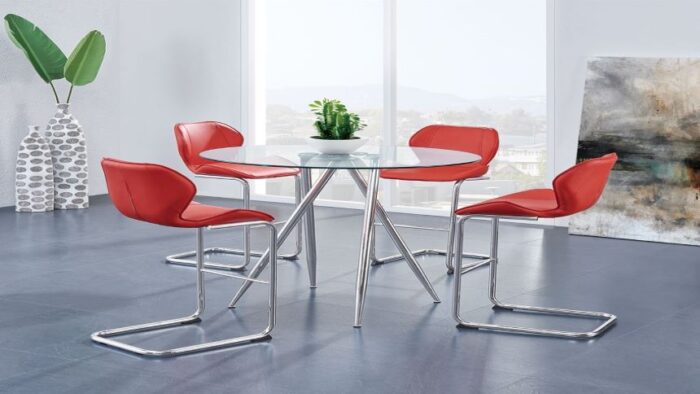
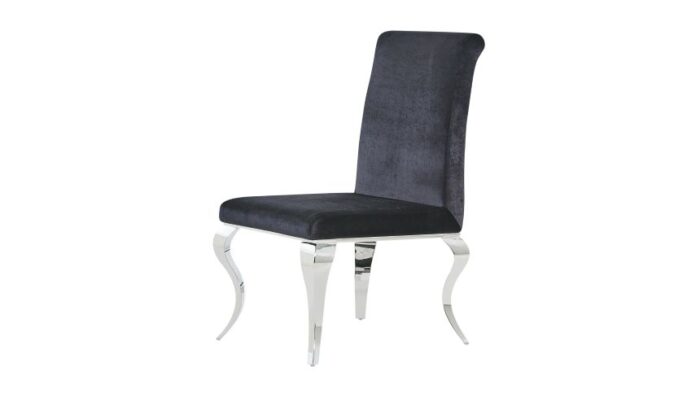
How to Choose the Best Kitchen Chairs for Your Home?
Choosing the best kitchen chairs for your home can be a daunting task. Expert designer Mark Williams states, “The right kitchen chairs can transform your dining experience.” When selecting kitchen chairs, consider your space and aesthetic. Do they blend with your current decor?
Comfort should also be a priority. A chair that looks great might not provide support during family meals. Focus on materials and ergonomic design. Wood, metal, and upholstered chairs each offer unique benefits. However, balance style with practicality.
Remember, it’s easy to overlook personal needs. Chairs should fit your lifestyle and daily demands. Reflect on your family dynamics. Choose kitchen chairs that facilitate gatherings and encourage conversation. The perfect chair is more than just a seat; it enhances memories created around the table.
Understanding Your Kitchen Space and Needs
Choosing the right kitchen chairs involves understanding your specific space and needs. According to a
recent report by the National Kitchen and Bath Association,
75% of homeowners value comfort and functionality in their kitchen seating.
This makes it essential to consider the layout of your kitchen. Measure the space between your dining table and other fixtures.
You’ll want at least 36 inches for movement.
Aesthetics also play a significant role. The right chair should
complement your kitchen's design without overwhelming it.
In a small kitchen, opt for lighter materials and colors. Dark, bulky chairs can make the space feel cramped.
A survey showed that 60% of homeowners prefer chairs that are
easy to clean, especially in a busy kitchen where spills are common.
Consider how you use your kitchen. Is it for quick meals or family gatherings? If you often host,
you might need durable seating. However, those who dine solo may prioritize comfort.
It's okay if you don't get it perfect the first time. Mixing and matching styles
can create a unique look. Reflecting on your needs ensures you choose chairs that enhance both
function and style in your kitchen.
Material Options for Kitchen Chairs: Pros and Cons
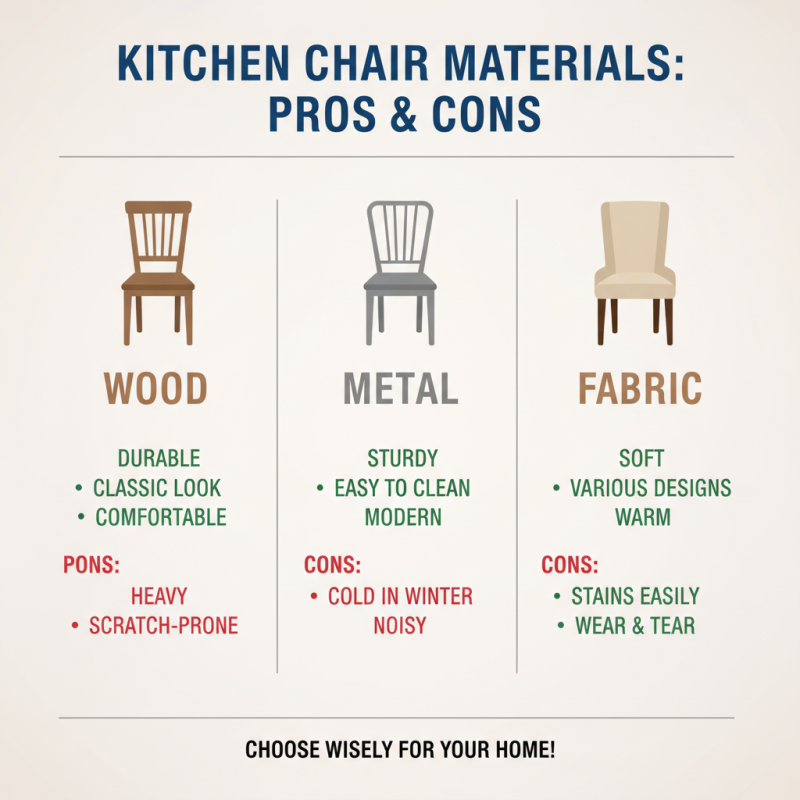
Choosing the right material for kitchen chairs is crucial. Each option brings unique benefits and challenges. For example, wood offers durability and a classic look. However, it can be heavy and prone to scratches. Metal chairs are sturdy and easy to clean. Yet, they might get cold during winter.
When it comes to upholstery, fabric chairs can be inviting and comfortable. They come in various colors and patterns. Still, they might stain easily and require more maintenance. Leather, on the other hand, adds a touch of elegance. It’s durable but can be expensive. Also, it may not breathe well, which can lead to discomfort.
Consider your lifestyle before making a choice. If you have kids, practicality may take precedence. Opt for materials that can withstand spills and rough use. Think about how often you entertain guests. This can influence your comfort and design decisions. Balancing aesthetics and functionality is not easy, but it's crucial.
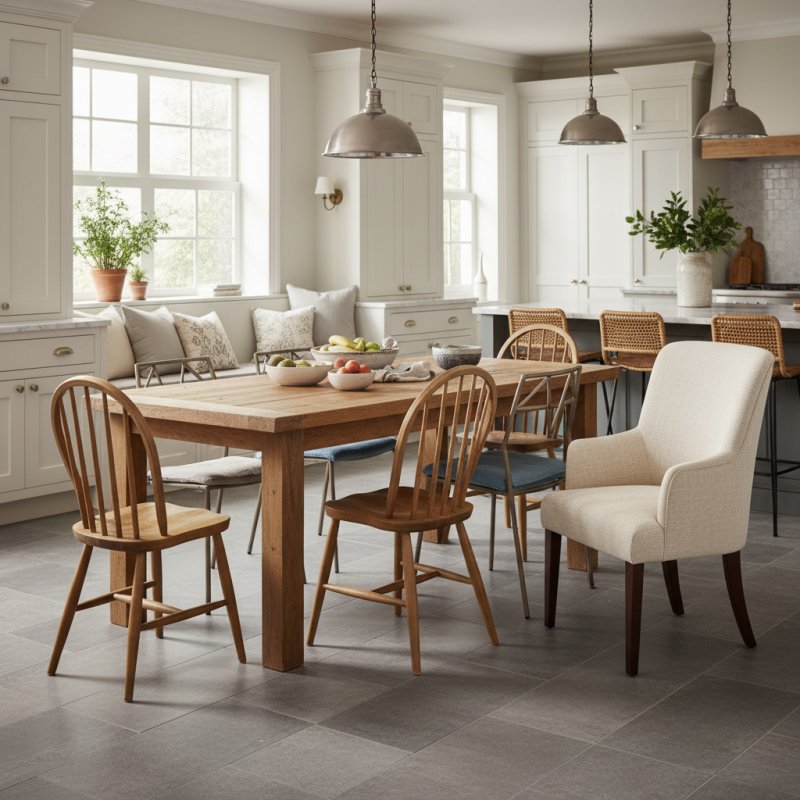
Styles of Kitchen Chairs: Matching with Your Home Décor
When selecting kitchen chairs, style plays a crucial role. Your chairs should harmonize with your home décor. According to a recent report from the Home Furnishings Association, around 75% of homeowners prioritize aesthetics in furniture selection. This highlights the importance of choosing chairs that complement your kitchen's design.
Consider the material and color of the chairs. Wooden chairs bring warmth and a classic look. Metal or acrylic chairs can add a modern touch. A survey from the American Institute of Architects indicates that over 60% of designers are moving towards sustainable materials. This reflects a growing trend toward eco-friendly choices.
Think about functionality as well. High-backed chairs provide more support, while lower models can create a more casual vibe. Comfort is key; you might find style comes at the expense of comfort. Balancing these elements can be challenging. Ultimately, selecting the right kitchen chairs requires careful thought and a reflection of your taste.
Comfort and Ergonomics: What to Look for in Kitchen Chairs
When choosing kitchen chairs, comfort and ergonomics are paramount. Many experts suggest chairs should have a seat height between 18 to 24 inches for optimal comfort. This range supports most dining table heights, allowing your feet to rest flat on the floor. A report by the American Chiropractic Association indicates that proper seating can reduce back pain by up to 60%. This underscores the importance of selecting chairs that promote good posture.
Look for features like lumbar support and adjustable heights. Chairs with contoured seats distribute weight evenly, minimizing discomfort during long meals. Some research shows that 70% of people prefer seating that provides back support. Styles vary, but a chair’s width should accommodate all users comfortably. A kitchen chair's design should not only look good but also prevent strain after extended use. While aesthetics matter, prioritizing ergonomics can enhance your daily living experience.
How to Choose the Best Kitchen Chairs for Your Home? - Comfort and Ergonomics: What to Look for in Kitchen Chairs
| Feature |
Description |
Importance |
| Seat Height |
The height of the chair seat should complement your table height for comfort. |
High |
| Backrest |
A well-designed backrest supports the lower back and promotes good posture. |
High |
| Material |
Choose durable materials that are easy to clean and maintain. |
Medium |
| Cushioning |
Adequate cushioning adds comfort for longer sitting sessions. |
High |
| Armrests |
Armrests can enhance comfort but should not hinder movement to the table. |
Medium |
| Stability |
A stable chair prevents tipping and enhances safety. |
High |
Budget Considerations: Finding Quality Chairs for Your Price Range
Choosing kitchen chairs can feel overwhelming, especially with numerous styles and price points. It’s essential to consider your budget. Establish a clear price range to help narrow your options. It’s tempting to splurge. However, you can find durable chairs without breaking the bank. Look for sales or discounts to make your dollar stretch further.
Quality doesn’t have to mean high cost. Some affordable chairs can surprisingly offer great comfort and durability. Materials like wood or metal often last longer than cheaper plastic. Pay attention to the construction details. Solid joints and sturdy legs can indicate better quality. You might find it worthwhile to mix and match styles when on a budget. This approach can create a unique look without overspending.
Sometimes, buying cheaper options may lead to regret. Chairs may not hold up in the long run. You could find yourself replacing them sooner than expected. Consider investing a bit more for longevity. It’s more cost-effective in the end. Ensure you prioritize comfort as well. Uncomfortable chairs can ruin family dinners and gatherings. Balancing your budget with quality and comfort is key in making the right decision.
How to Choose the Best Kitchen Chairs for Your Home?
This chart displays the price range of various kitchen chair materials and their corresponding quality ratings based on customer reviews. The data illustrates the relationship between price and perceived quality for different chair types.