



10 Tips for Choosing a Round Plastic Nursery Pot

Choosing the right round plastic nursery pot is more than matching a plant to a container. Its diameter, depth, drainage, and material can affect watering and root development. A pot that looks roomy on a shelf may still be too shallow for a plant with deep roots. Small details matter.

This guide covers ten practical points to check before you buy, from measuring the root ball to inspecting drainage holes and rim strength. It also considers weight, stackability, light exposure, and how easily pots can be cleaned and reused. Compare the pot’s actual inside dimensions with your plant’s needs; listed sizes can vary between manufacturers. For most plants, drainage matters, but extra holes alone cannot prevent overwatering. Soil, weather, and watering habits still count. Not every choice is obvious. A very lightweight pot is convenient to move, yet it may tip outdoors in wind. A thicker pot can feel sturdier, though it may cost more and take up extra storage space. Use the tips as a buying checklist, then adjust for the plant and growing conditions in front of you.
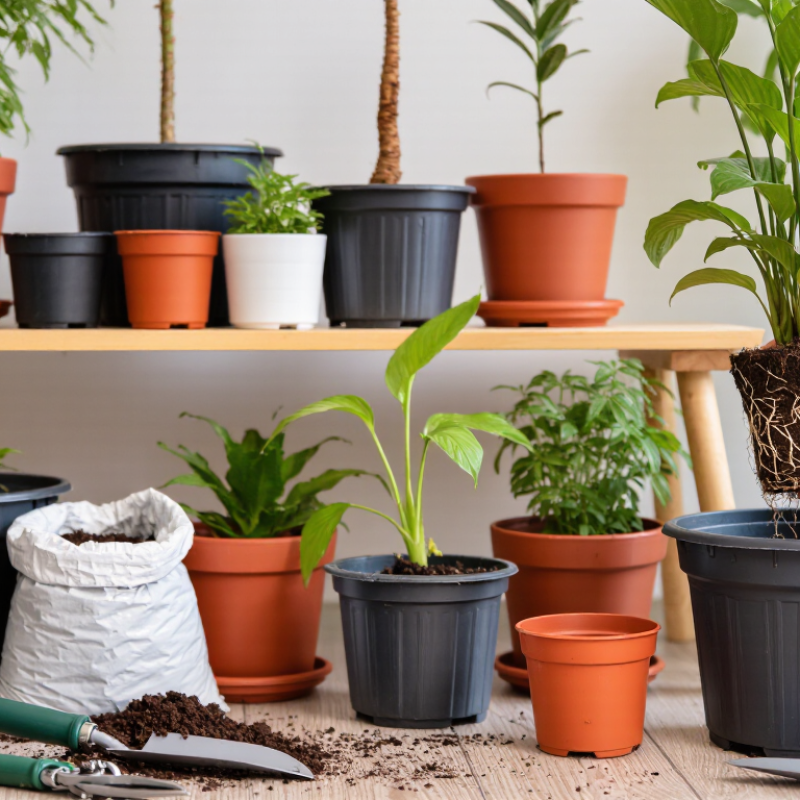
10 Tips for Choosing a Round Plastic Nursery Pot

Identify the Plant’s Space and Growth Requirements

Before choosing a round plastic nursery pot, measure the plant’s root ball and consider how quickly it grows. A pot should leave modest room for new roots, not a wide ring of unused soil. Excess damp mix can linger around roots and stress the plant. Check its mature size, too; a young tomato and a compact herb need different amounts of space. Roots tell part of the story. If practical, ease the plant out gently and look for roots circling the base or barely holding the soil together.

For a fast-growing plant, a pot only a few centimeters wider than the root ball is a useful starting point. It is not a strict rule. Shallow-rooted lettuce may suit a lower pot, while a developing pepper often needs more depth and stability. Match the pot depth to the roots, and leave enough room to water without spilling. A common misjudgment is allowing too much extra space; unused soil may stay wet longer than expected. Check the plant regularly for faster water use, leaning, or roots emerging through drainage holes. Drainage matters. Sizing remains an estimate, so adjust as the plant grows.

Choose a Pot Diameter and Depth That Fit the Root System

Choose the pot by measuring the root ball at its widest point, rather than judging from the plant’s leaves. For many small plants, a pot about 1–2 inches wider than the root ball gives roots room to grow without leaving a large volume of wet mix around them. A dramatic size increase can slow drying, especially in cool rooms or low light. That detail is easy to overlook. Check the pot’s inside diameter, since thick plastic walls can make the usable space smaller than the outside measurement suggests.

Depth matters just as much. Set the root ball into the pot and check that its top will sit near the rim, with a little space left for watering. Choose a deeper pot for roots that grow downward, and a wider, shallower one for compact or spreading roots. Keep the stem base or crown at its original soil level; burying it can encourage rot. Drainage holes are essential. A slightly imperfect fit is usually manageable, but roots tightly circling the bottom may need more depth at the next potting.

Choosing pot diameter: As a practical starting point, select a pot about 1–2 inches (2.5–5 cm) wider than the root ball. Choose a depth that accommodates the roots without leaving excessive unused soil. Plant and root shapes vary, so check the root system before potting.

Evaluate Plastic Type, Thickness, and Durability

A nursery pot’s resin matters, but the label alone cannot predict service life. Polypropylene is light and flexible; high-density polyethylene often tolerates knocks well. Ask whether the plastic includes UV stabilizers if pots will sit outdoors. Sun exposure can make unstabilized plastic brittle, especially around thin rims and drainage holes. Feel the rim. A pot that bends easily may still work, but watch for whitening or cracking after flexing.

Wall thickness is only part of the test. Compare pots of similar size, press gently near the base, and inspect for uneven spots, sharp molding seams, or drainage holes that weaken the bottom. Thicker walls can resist handling damage, yet they add weight and do not guarantee better UV resistance.

The OECD’s Global Plastics Outlook reports that only 9% of plastic waste was ultimately recycled worldwide in 2019. That statistic describes waste management, not pot strength; recycled content alone is no durability rating. Ask suppliers for resin and recycled-content details, plus any outdoor-use testing. ASTM D4329 provides a standard method for evaluating plastics under fluorescent UV exposure, though real garden conditions also involve heat, moisture, and handling. I’d still test a sample through a season. A little uncertainty remains.

Check Drainage, Stability, and Ease of Handling

A round nursery pot should drain quickly without tipping when its mix is wet. Check that drainage holes are open, evenly spaced, and large enough to release excess water. Set the pot on a flat bench and press gently near the rim. It should not rock. USDA National Agricultural Statistics Service reported a $6.7 billion wholesale value for U.S. floriculture crops in its 2023 Floriculture Crops report. That scale highlights why dependable containers matter in production, though the figure does not measure pot performance.

Tip: Inspect the base before buying. Look for clear holes, a level foot ring, and no thin spots around the bottom. Fill a sample pot with damp growing mix; a small tilt can expose poor stability. Check the rim, too. A smooth, slightly reinforced lip is easier to grip with gloves. Avoid sharp edges that catch sleeves or scrape hands.

For handling, compare empty and filled pots. A tapered shape may stack neatly, but it can feel less steady when empty. That trade-off is easy to miss. Lift from the sides, then carry a filled sample a short distance. Notice whether the rim flexes or the base bows. Small details matter. Pots with similar dimensions may still differ in weight and grip, so test a few rather than trusting appearance alone.

Consider Cleaning, Reuse, and Long-Term Value

A round plastic nursery pot becomes valuable when it survives more than one growing season. After removing old roots and growing medium, brush the inside and rim, then wash with soap and water. Let the pot dry fully before stacking it. Moisture trapped between pots can encourage mold, and a quick rinse may leave residue behind. For plants vulnerable to disease, use a suitable sanitizer according to its label. Cleaning helps, but it cannot fix a cracked wall or a brittle base.

Durability matters. Check the drainage holes, rim, and bottom for splits before reusing a pot. A damaged pot may spill soil or dry unevenly. It is tempting to keep every container. That is not always wise. EPA’s 2018 Advancing Sustainable Materials Management report estimated that 35.7 million tons of plastic entered the U.S. municipal waste stream, while about 8.7% was recycled. Those figures cover all plastic packaging and products, not nursery pots specifically. They do show why extending a usable item’s life can matter.

Long-term value is more than the purchase price. Compare cost per season, storage space, and how easily pots nest together. A pot that stacks neatly in a dry shed may be more useful than a cheaper, awkward one. Still, reuse has limits: faded plastic can become fragile, even when it looks clean. Inspect it in bright light before planting.

10 Tips for Choosing a Round Plastic Nursery Pot — Consider Cleaning, Reuse, and Long-Term Value

No. What to Consider What to Check Why It Matters for Long-Term Value
1 Choose the right size Match the pot diameter and depth to the plant’s root ball, leaving room for growth without using an unnecessarily large container. A suitable size helps avoid frequent repotting and reduces excess potting mix use.
2 Check drainage holes Look for unobstructed holes in the base. If there are no holes, confirm that the pot is designed to be drilled safely before planting. Good drainage helps prevent water from collecting around roots, which can contribute to root problems.
3 Inspect the rim and base Check for cracks, sharp edges, weak seams, or a base that rocks on a level surface. A sturdy pot is easier to handle and is less likely to fail during routine moving or watering.
4 Consider wall thickness Compare the pot’s rigidity with its intended use. Thin-walled pots can be lightweight; thicker or more rigid pots may better suit repeated handling. Choosing construction appropriate to the task can help reduce breakage and replacement needs.
5 Look for easy-to-clean surfaces Smooth inner and outer surfaces are generally simpler to rinse and scrub than heavily textured surfaces. Less time spent cleaning makes it more practical to reuse pots between growing cycles.
6 Plan for cleaning and sanitation Before reuse, remove soil and plant debris, wash the pot, and use an appropriate sanitation method for the plant and growing situation. Cleaning between uses helps reduce the transfer of soil-borne pests or disease organisms. Follow local horticultural guidance for sanitation.
7 Check for reuse-friendly features Look for a shape that stacks without excessive sticking and a rim that is easy to grip without pulling or bending the pot. Easy storage and handling can make repeated use more convenient and lower the cost per growing cycle.
8 Assess UV and weather exposure If the pot will stay outdoors, check product information for outdoor or ultraviolet exposure suitability and inspect it periodically for brittleness. Sunlight and weather can degrade some plastics over time; appropriate material and storage can help extend service life.
9 Think about stacking and storage Test whether empty pots nest securely and can be separated without excessive force. Store them clean and dry when not in use. Compact, manageable storage protects pots and saves space between planting seasons.
10 Compare total value, not just price Consider pot durability, cleaning effort, storage needs, drainage, and how many growing cycles it is likely to serve. A pot with a higher initial cost may offer better value if it remains usable for more cycles and is easy to maintain.
Start typing to see products you are looking for.
Sign in

No account yet?

NewSale
SHARE YOUR CART