What is the Best Type of Furniture Store for Your Home Needs
When it comes to furnishing a home, choosing the right furniture store can significantly impact your overall satisfaction and comfort. According to a 2023 Home Furnishings Industry Report, the furniture retail market in the U.S. is projected to reach $300 billion by the end of the year, reflecting a consistent growth trajectory driven by consumer demand for quality and design. This surge in interest has led to a diverse range of furniture stores, each catering to different styles, budgets, and needs.
Understanding the various types of furniture stores available—ranging from high-end boutiques to budget-friendly chains—can help consumers make informed decisions. A survey conducted by the National Home Furnishings Association revealed that 67% of homeowners prefer shopping at specialty furniture stores due to their unique offerings and personalized service. This preference underscores the importance of evaluating not just the type of furniture available, but also the overall shopping experience, including customer service, delivery options, and return policies. By aligning personal tastes with the right furniture store, consumers can create a space that truly reflects their lifestyle and enhances their daily living experience.

Types of Furniture Stores: An Overview of Options Available
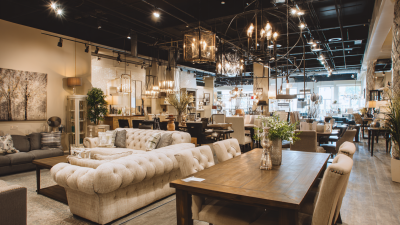
When considering the best type of furniture store for your home needs, it's essential to understand the various options available. Different types of furniture stores cater to distinct styles, budgets, and preferences. For instance, traditional furniture stores often provide a wide range of high-quality pieces, including sofas, chairs, and dining sets. These stores typically focus on classic styles and craftsmanship, making them ideal for those looking to invest in durable, timeless furniture.
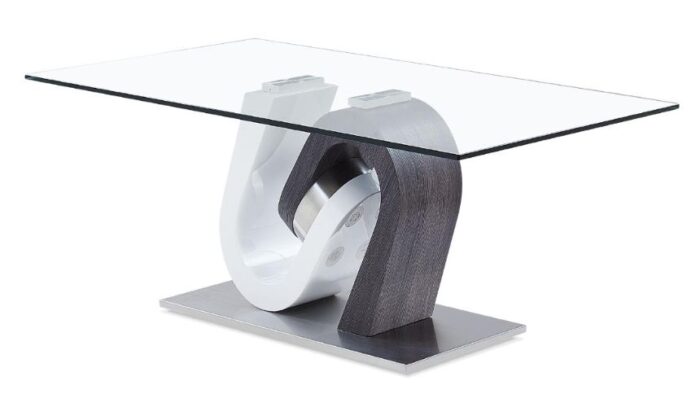
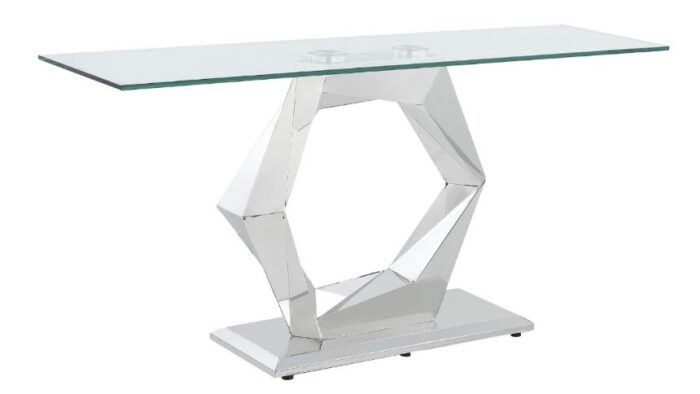
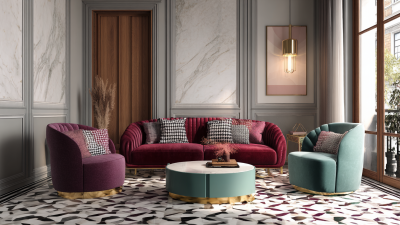
In contrast, contemporary and modern furniture stores offer sleek designs and innovative aesthetics, appealing to shoppers with a taste for minimalism or bold statement pieces. These stores may also provide a more budget-friendly alternative, as they often produce furniture that emphasizes form and function over intricate detailing. Additionally, specialty stores focus on specific types of furniture, such as handcrafted items or eco-friendly options, allowing customers to find unique pieces that align with their personal values and tastes. By exploring these varied types of furniture stores, homeowners can effectively identify the best options to meet their specific needs and preferences.
What is the Best Type of Furniture Store for Your Home Needs - Types of Furniture Stores: An Overview of Options Available
| Type of Furniture Store |
Description |
Ideal For |
Price Range |
| Specialty Furniture Stores |
Stores focusing on specific types of furniture such as sofas, dining sets, or bedroom furniture. |
Customers looking for unique styles or specific pieces. |
$$ - $$$ |
| Department Stores |
General stores that offer a wide range of furniture along with various other household items. |
Shoppers wanting convenience and variety in one place. |
$ - $$ |
| Online Furniture Retailers |
E-commerce platforms that provide a vast selection of furniture with home delivery options. |
Tech-savvy customers who prefer shopping from home. |
$ - $$$ |
| Discount Furniture Stores |
Stores that offer furniture at lower prices, often with less emphasis on brand names. |
Budget-conscious shoppers looking for essential items. |
$ |
| Custom Furniture Makers |
Artisans who create bespoke furniture tailored to specific needs and styles. |
Customers seeking unique, personalized pieces for their home. |
$$$ - $$$$ |
Identifying Your Home Needs: Key Considerations for Furniture Selection
When selecting furniture for your home, it is crucial to assess your specific needs and preferences. According to a report by the American Home Furnishings Alliance, over 80% of homeowners express that comfort and functionality are the most important factors when making furniture purchases. This suggests that before visiting a store, individuals should clearly define what they require from their furniture.
For instance, if you have children or pets, durability and easy maintenance should be prioritized.
Space is another fundamental consideration. The National Association of Realtors reports that 63% of buyers consider the layout of each room before deciding on furniture options. Therefore, measuring your available space and visualizing how different pieces will fit can prevent costly mistakes.
Furthermore, understanding your style preferences—whether minimalist, eclectic, or traditional—helps narrow down choices in a furniture store, ensuring that the selected items enhance the overall ambiance of your home. By identifying these key factors, shoppers can streamline their search, leading to a more satisfying and harmonious living environment.
Comparing Specialty vs. General Furniture Stores for Specific Requirements
When choosing furniture for your home, the decision between specialty and general furniture stores can significantly impact your shopping experience.
Specialty furniture stores typically focus on a specific type of furniture or style, offering a curated selection that caters to particular tastes or needs. For instance, if you are looking for eco-friendly pieces or custom-made items, a specialty store may provide unique options and expert knowledge that general stores cannot match. This personalized approach often results in higher quality items tailored to meet specific requirements, making it easier for customers to find exactly what they are seeking.
On the other hand, general furniture stores offer a broader range of products, catering to various styles and budgets within one shopping venue. This can be advantageous for those looking to furnish multiple rooms with a cohesive look without the need to visit multiple locations. General stores often provide diverse options, allowing customers to compare styles, materials, and prices conveniently. However, the trade-off can be a lack of specialized guidance and lower availability of unique items. Ultimately, the best choice depends on your specific needs: whether you value a tailored selection or a wide variety of options in your furniture shopping experience.
Online vs. Brick-and-Mortar: Choosing the Right Shopping Experience
The debate between online and brick-and-mortar furniture shopping continues to evolve, influenced by changing consumer preferences and technological advancements. According to a recent study by the National Retail Federation, nearly 70% of furniture sales in the U.S. now occur online. This shift can be attributed to the convenience and wide selection that online retailers offer, allowing shoppers to browse thousands of styles and configurations from the comfort of their homes. However, while the allure of convenience is strong, many consumers still hold a preference for traditional store experiences, with approximately 60% of individuals citing the ability to physically inspect furniture as a crucial factor in their purchasing decisions.
Brick-and-mortar stores provide tactile experiences that online platforms cannot replicate. The opportunity to feel the fabric, test the comfort, and visualize the scale of furniture within a home space plays a significant role in consumer satisfaction. Furthermore, a recent report by Allied Market Research found that the global online furniture market is expected to surpass $600 billion by 2025, indicating the fierce competition online retailers face. Yet, the personal touch and expert guidance offered by in-store staff remain valuable to many buyers. The choice between online and in-person shopping thus ultimately hinges on individual preferences—whether prioritizing immediate gratification and convenience or the assurance and touch that comes with physical store visits.
Assessing Quality and Price: Making Informed Purchasing Decisions
When assessing quality and price for your furniture needs, it's essential to understand the balance between these two factors to make informed purchasing decisions. High-quality furniture not only enhances the aesthetic appeal of your home but also ensures durability and comfort in the long run. Look for materials that are known for their longevity, such as solid wood or high-density foam, as these can significantly impact the lifespan of your furniture. Pay attention to the construction methods; items that are hand-crafted or use traditional joinery methods tend to offer greater reliability.
Tips: Always inspect furniture in person when possible, as pictures can be misleading. Check for any imperfections or signs of wear and make sure to sit on couches and chairs to evaluate comfort levels. Additionally, researching customer reviews and asking about warranties can further guide your decision-making process.
Price is an equally crucial component, but it doesn’t always equate to quality. Set a budget that reflects your needs but remain flexible to invest a little more in key pieces that you use daily. Look for sales, but don’t be swayed by temporary discounts; prioritize value over price alone. Remember, spending slightly more on a well-made item can lead to savings over time, as you won’t need to replace it as frequently.
Furniture Store Quality vs. Price Assessment