
What Is the Best Outdoor Storage Cabinet in 2026?

An Outdoor Storage Cabinet may look simple on a product page: a box, two doors, and a promise of weather resistance. In a real garden, the test is less tidy. Rain gathers on the roof, grit works into hinges, and a lawn mower can quickly crowd the shelves. The right cabinet should protect tools while fitting the space, climate, and routine of the people using it.

Market context offers one useful signal, but not a cabinet-specific answer. Grand View Research valued the global outdoor furniture market at USD 50.73 billion in 2023 and projected a 5.6% compound annual growth rate from 2024 to 2030. Its report covers outdoor furniture broadly, not storage cabinets alone. That distinction matters. A growing category does not prove that any cabinet will last outdoors.

Small details count. This guide compares material, capacity, ventilation, water resistance, security, assembly, and warranty. It also considers practical signs buyers can check: a stable base, doors that close evenly, and enough clearance for damp equipment. No verifiable cabinet-industry expert quotation was supplied with the source material, so I will not invent one. That is a limitation, and worth stating plainly. The best choice in 2026 depends on local exposure and intended use, not a single “top pick.”
What Is the Best Outdoor Storage Cabinet in 2026?

What an Outdoor Storage Cabinet Is and What It Can Store

What Is the Best Outdoor Storage Cabinet in 2026?

What an Outdoor Storage Cabinet Is and What It Can Store

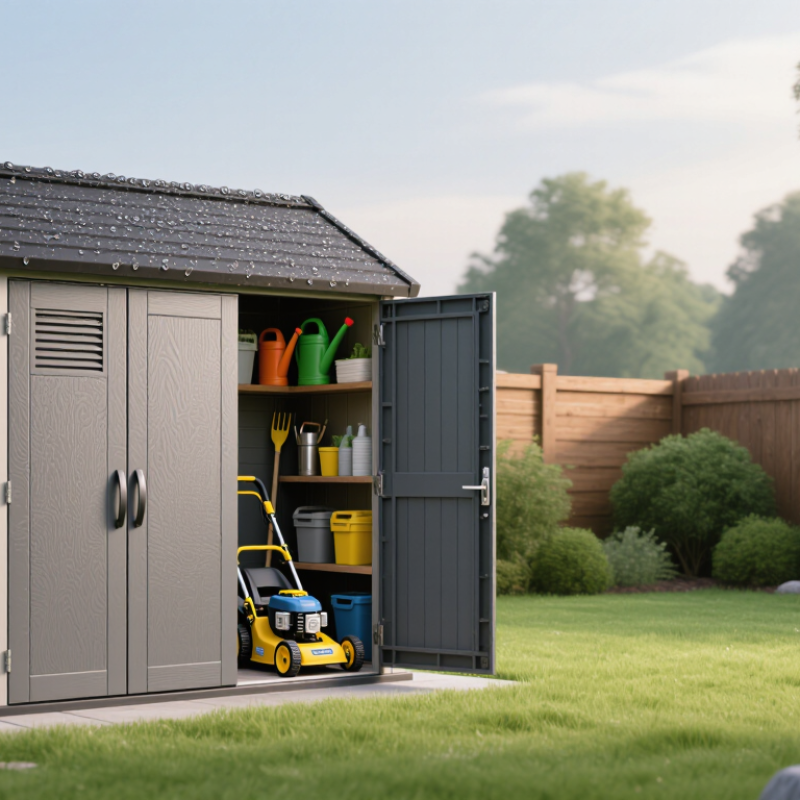
An outdoor storage cabinet is an enclosed, weather-resistant unit for keeping everyday outdoor items organized. It may have shelves, doors, and a raised base to help limit contact with standing water. It is useful for patio cushions, hand tools, watering cans, garden gloves, and children’s outdoor toys. Think of things you reach for often, not belongings that need climate-controlled storage. No cabinet stays perfect forever.

Rainfall varies greatly by location. NOAA’s 1991–2020 U.S. Climate Normals show Death Valley receives roughly two inches of precipitation annually, while some windward Hawaiian locations receive well over 100 inches. That difference matters when choosing a cabinet. In wet areas, look for a sloped top, secure door closure, and drainage; in sunny areas, consider UV-resistant materials. Ventilation also helps cushions dry after a shower. I would not treat “weather-resistant” as fully waterproof, especially when seams and hinges age.

Tips: Store dry items, leave a little airflow, and check seals after storms. Keep heavier tools low so shelves remain stable. Avoid storing damp cushions for long periods. A small detail, but it helps. Compare the cabinet’s capacity with the items you actually own, and measure the patio space before buying.

How Materials and Construction Affect Weather Resistance

In 2026, the best outdoor storage cabinet is one suited to your climate, not just your patio. Material matters, but construction often decides whether rain stays outside. UV-stabilized resin resists moisture and will not rust, though thin panels may flex in strong wind. Galvanized steel feels sturdier, but scratches can expose metal to corrosion. Wood looks natural, yet needs regular sealing and careful placement.

Check the details. Overlapping doors, tight-fitting hinges, raised feet, and a sloped roof help keep water away from seams and stored items. A gasket can reduce wind-driven rain, but it does not make a cabinet waterproof. Ventilation also matters: without airflow, damp tools can encourage condensation inside. Look for clear assembly instructions and sturdy anchoring points. A heavy cabinet can still shift if its base is uneven. No material is maintenance-free; I would not trust a weather rating alone.

Tips: Place the cabinet on a level, drained surface, not directly on wet soil. Keep leaves clear of the roof and check hinges after storms. If you store cushions, use a small moisture absorber—but inspect it often. It is easy to forget.

What Is the Best Outdoor Storage Cabinet in 2026? — How Materials and Construction Affect Weather Resistance

There is no single best material for every climate. Weather resistance depends on both the material and details such as roof design, drainage, joints, fasteners, ventilation, and installation.

Cabinet material Weather-resistant strengths Main vulnerabilities Construction details to look for Typical upkeep Best suited to
UV-stabilized resin or polypropylene Does not rust, and many designs tolerate rain and routine outdoor exposure. Lightweight panels are easy to clean. Sunlight can degrade or discolor plastics that lack adequate UV protection. Thin panels may flex, and poorly sealed joints can admit water. UV-stabilized material, reinforced panels, a sloped roof, raised or well-drained base, and overlapping or gasketed doors. Wash periodically and inspect panels, hinges, and seals. Keep the base clear of standing water. Low-maintenance storage in generally mild conditions, especially where avoiding rust is a priority.
Powder-coated or galvanized steel Rigid panels can provide a sturdy enclosure. Galvanizing and intact paint or powder coating help protect steel from corrosion. Scratches, cut edges, and damaged coatings can expose steel to moisture and start corrosion. Condensation may form inside in humid or temperature-changing conditions. Well-finished edges, corrosion-resistant fasteners, a durable coating, a roof that sheds water, and ventilation that limits trapped moisture. Clean off dirt and salts; check for coating damage and touch up exposed areas using a compatible repair coating. Locations where a rigid cabinet is desirable and the coating can be inspected and maintained.
Aluminum Aluminum does not develop red iron rust, and it is relatively light. A suitable finish can help preserve its appearance. Panels can dent or flex if thin. Joints and fasteners still need protection, and contact between dissimilar metals in a wet environment can contribute to corrosion. Stiffened panels, compatible fasteners, protected joints, a stable frame, and a design that drains rather than traps water. Rinse away dirt and salt deposits and inspect joints, finish, and hardware. Coastal or damp settings where low weight and resistance to iron rust are useful, provided the cabinet is well constructed.
Exterior-grade wood Solid panels can be sturdy, and a well-designed cabinet can be repaired or refinished. Naturally durable species and properly treated wood can perform outdoors. Repeated wetting can lead to swelling, splitting, rot, or finish failure. Wood also needs more ongoing protection than many plastic or metal designs. Exterior-rated materials and finishes, sealed end grain, water-shedding roof and joints, ground clearance, and airflow around the cabinet. Inspect regularly and renew the protective finish as its condition requires; promptly address damaged coating or persistently wet areas. Settings where appearance and repairability matter and regular maintenance is acceptable.

Selection tip: Check the complete cabinet—not just its panel material. A sloped roof, effective drainage, raised base, protected hardware, and sound door seals can significantly affect how well a cabinet handles local weather. “Weather-resistant” does not necessarily mean airtight or waterproof.

Which Features Matter Most When Comparing Cabinets

What Is the Best Outdoor Storage Cabinet in 2026?

Which Features Matter Most When Comparing Cabinets

The best cabinet depends on what you store and where it will sit. Measure the available space, including room for open doors and nearby pathways. A cabinet tucked beside a fence may need sliding access or a narrow profile. Check the interior dimensions, too; exterior measurements can be misleading. A tall handle or thick walls can reduce usable space.

Material matters, but no option suits every yard. Resin resists moisture and needs little upkeep, though prolonged sun can make some products brittle. Coated metal is sturdy, but inspect seams and hardware for rust protection. Wood looks natural and can be repaired, yet it needs regular sealing. Small details count. Look for reinforced hinges, secure latches, and a raised or well-drained base. Ventilation helps limit trapped dampness, especially when storing cushions or garden tools.

Compare shelf capacity and weight limits before buying. A shelf holding light gloves may sag under bags of soil. If possible, check whether shelves adjust and whether the floor feels stable on your patio. A lockable latch can discourage casual access, but it does not make a cabinet secure against determined entry. I would not choose by appearance alone; still, looks matter if the cabinet sits beside a seating area. It is easy to overlook door clearance until the first rainy day.

How to Choose a Cabinet for Your Space and Storage Needs

Choosing an outdoor cabinet starts with the space, not the shelf count. Measure the full footprint, including door swing, handles, and room to walk past. Check the ground after rain; a cabinet on a low patio corner may sit in standing water. NOAA’s 1991–2020 climate normals record about 39 inches of annual precipitation in Seattle and 7 inches in Phoenix. That difference makes local rain and sun exposure practical selection factors. Look for UV-resistant materials, sealed joints, and raised feet where moisture is common. ASTM D4329 describes a standard method for testing plastics under fluorescent ultraviolet exposure; ask whether a product’s weathering claims reference a recognized test.

Then match capacity to what you actually store. Tall tools need interior height, while cushions need broad shelves and airflow. Houzz’s 2024 U.S. Houzz & Home Study put median outdoor-project spending at $2,000, a useful reminder to compare cabinet cost with the wider outdoor budget. Check shelf load limits and confirm that the base stays stable on your surface. A cabinet that looks roomy in a listing can feel cramped once bulky items go inside. Measure twice. I still sometimes forget the lid clearance. Keep frequently used items near the front, and leave a little spare space for seasonal gear.

How Placement and Maintenance Extend a Cabinet’s Lifespan

An outdoor storage cabinet can fail early if it sits where rainwater collects. Choose firm, level ground, with a little space behind the cabinet for airflow. Keep it away from downspouts and sprinklers. Shade helps reduce heat and sun damage, but avoid placing the cabinet beneath heavy, brittle branches. Check that doors can open fully without hitting a fence or wall.

Placement matters. So does the base. On soil or grass, moisture can linger around the bottom panel and fasteners. A stable, well-drained surface helps, though the right support depends on the cabinet’s construction. Follow its installation guidance rather than improvising a base that blocks drainage. In windy areas, secure the cabinet as directed; an empty cabinet may be less stable than expected.

Small checks prevent bigger repairs. Wipe off dirt with mild soap and water, then let surfaces dry. Clear leaves from roof edges and inspect hinges, seals, and fasteners every few months. Look closely after storms. If a door starts sticking, check whether the cabinet has shifted before forcing it. I used to overlook tiny gaps around a seal; they can let water in. Still, not every mark signals damage, and aggressive scrubbing can harm a finish. Repair chips with a suitable product for the cabinet material, and store heavy items low to reduce strain on shelves.

Start typing to see products you are looking for.
Sign in

No account yet?

NewSale
SHARE YOUR CART