



What Is the Best Material for Smoke Shop Shelves?

Choosing the best material for smoke shop shelves is more practical than it first appears. Shelves must support packaged merchandise, display items clearly, and withstand frequent cleaning. They also shape how customers judge the store.

In real retail settings, metal, tempered glass, laminate, and solid wood each offer different advantages. Powder-coated steel handles heavy loads and daily contact well. Tempered glass creates a clean, open display, but fingerprints appear quickly. Laminate provides many finishes at a controlled cost. Solid wood feels warm and durable, although moisture and uneven sealing can create problems.

Small details matter. Shelf depth affects visibility. Edge finishing affects safety. Adjustable brackets improve flexibility when product sizes change. Always check the manufacturer’s load rating rather than trusting appearance alone. A beautiful shelf can still fail under poor installation.

I once underestimated cleaning frequency in a busy shop. The surface looked fine during setup, then showed smudges and dust within hours. That experience changed how I compare materials. Easy maintenance now matters as much as appearance.

This guide examines the strengths, limitations, and realistic costs of common materials for smoke shop shelves. It also considers stability, hygiene, lighting, accessibility, and long-term upkeep. No single material fits every store. The best choice depends on traffic, budget, layout, and the type of lawful, regulated merchandise displayed. Careful planning usually beats a fashionable finish.
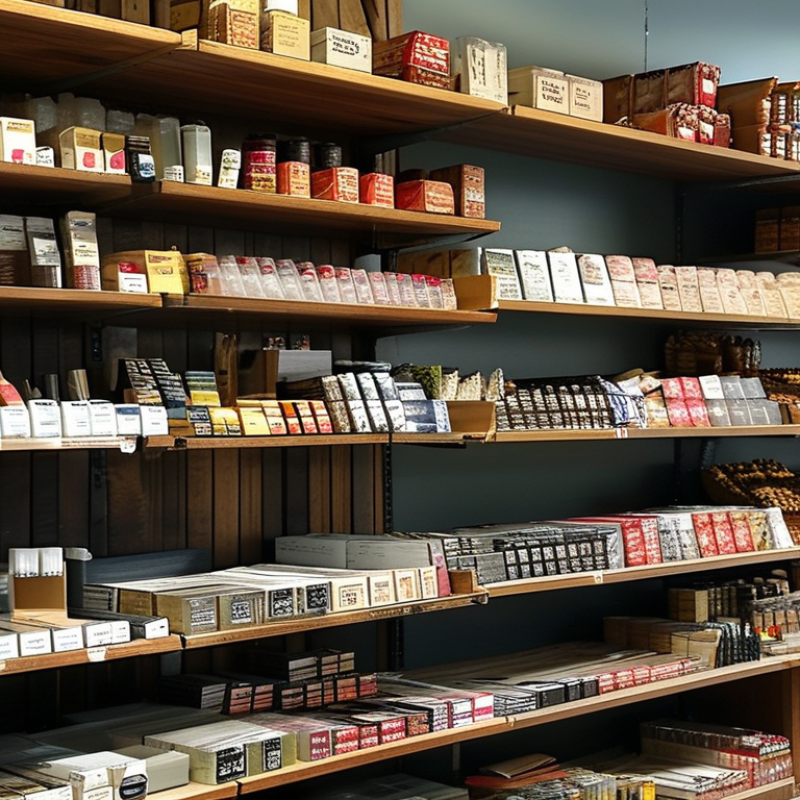
What Is the Best Material for Smoke Shop Shelves?

Material Performance Requirements for Smoke Shop Shelves

Material performance decides whether smoke shop shelves remain safe, clean, and attractive under daily retail pressure. Shelves hold packaged goods, small accessories, price labels, and occasional customer handling. Their material must resist sagging, scratches, moisture, stains, and repeated cleaning. A 900-millimetre shelf can visibly bend when its span, thickness, or support spacing is poorly matched.

Powder-coated steel offers strong load capacity and easy cleaning. Compact laminate resists moisture and surface wear, but damaged edges may absorb water. Tempered glass creates clear displays, yet it needs protected edges and carefully rated brackets. ASTM E84 evaluates flame-spread and smoke-developed indexes for building materials. It should guide material selection, not replace local fire engineering. NFPA 101 also emphasizes safe egress and controlled fire hazards. OSHA 29 CFR 1910.176 requires stored materials to remain stable and avoid workplace hazards. These requirements matter near lighting, outlets, and crowded aisles.

Tips: Ask suppliers for tested load ratings, coating data, and cleaning compatibility. Check one loaded shelf after several weeks. Small failures appear early. Inspect welds, fasteners, corners, and wall anchors. Low-VOC finishes can improve indoor comfort, especially in compact shops. UNEP’s 2023 Global Status Report states that buildings consume about 34% of global energy and produce 37% of energy-related emissions. Durable materials can reduce replacement waste, although recycled content alone does not guarantee better performance. My own preference is practical rather than perfect: steel supports, replaceable panels, and fewer fragile decorative parts.

Comparing Wood, Metal, Glass, and Laminate Shelf Materials

Choosing the best material for smoke shop shelves depends on product weight, cleaning needs, lighting, and store style. In retail interiors, I have found that wood creates warmth and makes a small shop feel approachable. It also hides minor scratches well. However, unfinished wood can absorb spills and odors, so sealed surfaces are essential. Metal offers stronger support for heavier displays. Powder-coated steel is durable, but it may feel cold and industrial.

Glass gives products excellent visibility and reflects light across the room. Tempered glass is the safer choice because it resists impact better than ordinary glass. Still, fingerprints appear quickly, especially near the checkout counter. Laminate is often the practical middle ground. It comes in many patterns, cleans easily, and usually costs less than solid wood or metal. Its weakness is edge damage. Water can reach the core when seams are poorly sealed. No material wins everywhere.

Tips: Use wood for warmth, metal for strength, glass for visibility, and laminate for flexible budgets. Test shelf samples under your actual lighting before ordering. Check weight ratings carefully. Add adjustable brackets when displays change often. Avoid overly glossy finishes if staff spend hours removing fingerprints. A mixed system can work well, but mismatched colors may make the room look unfinished. Measure doorways and wall levels twice. Also, confirm local safety and building requirements before installation.

Evaluating Durability, Safety, and Maintenance Needs

What Is the Best Material for Smoke Shop Shelves?

Choosing shelf material requires more than comparing prices. The surface must handle daily customer contact, product weight, cleaning chemicals, and changing room conditions. Powder-coated steel offers strong load support and resists dents better than many soft materials. It also suits modular shelving that needs regular adjustment. The coating must be intact, however. Exposed metal can rust when moisture reaches damaged areas.

Tempered glass creates a clean, open display and allows light to reach lower shelves. It should have polished edges and proper supports to reduce injury risks if breakage occurs. Solid wood feels warm, but unfinished wood absorbs spills and may hold odors. Sealed plywood can be practical, though low-quality adhesives may release unpleasant fumes. Ask for material safety information before installation.

Maintenance often decides the better choice. Smooth, nonporous surfaces need less effort and can be wiped with mild soap. Avoid harsh solvents unless the manufacturer confirms compatibility. Dust shows.

Shelves should also have rounded corners, stable anchors, and clear load ratings. Heavy items belong on lower levels. A small tilt can become a serious hazard. I once underestimated how quickly dust collects around metal brackets, so accessible joints matter more than expected. Still, no material performs well when overloaded or poorly installed. Local fire and building requirements should guide the final selection.

Choosing Shelf Materials for Different Product Displays

What Is the Best Material for Smoke Shop Shelves?

Choosing Shelf Materials for Different Product Displays

Shelf material should match the product, not only the store’s color scheme. Glass works well for small, premium accessories because it keeps the display visible from several angles. Tempered glass also handles regular cleaning better than ordinary glass. However, fingerprints appear quickly. Staff must wipe it often.

Powder-coated steel suits heavier packaged products and high-traffic areas. It resists moisture, supports strong loads, and creates a clean commercial appearance. Adjustable steel shelving can also accommodate changing package sizes. Wood laminate adds warmth and works well for gift items or natural-looking displays. Yet, low-quality laminate may swell near sinks or damp entrances. I learned that the hard way.

Acrylic offers a lightweight option for small items and raised displays. It is easy to move, but scratches can become noticeable under bright lighting. For checkout areas, a mixed system often performs better: steel for structure, glass for visibility, and laminate for warmth. Rounded edges improve safety near narrow aisles. Shelves should also allow enough space for labels and price information. Product visibility matters more than decoration. Before ordering, test one section with real packaging, cleaning tools, and daily customer traffic. A beautiful material may still be impractical.

Balancing Cost, Appearance, and Long-Term Value

What Is the Best Material for Smoke Shop Shelves?

Balancing Cost, Appearance, and Long-Term Value

Material choice affects more than appearance. It influences cleaning time, product visibility, repairs, and customer confidence. Powder-coated steel usually offers the strongest long-term value. It resists impact, supports heavier legal merchandise, and cleans easily after frequent handling. The World Steel Association reports that steel is the world’s most recycled material, which supports a more responsible replacement strategy. Still, steel can feel cold in a small store. Warm lighting and wood-look panels may be necessary.

Tempered glass creates a bright, premium display. It also improves visibility across the sales floor. That matters when retailers manage loss. The 2023 National Retail Security Survey reported average retail shrink of 1.6% of sales in 2022. Glass can support clearer sightlines, but fingerprints appear quickly. Cleaning becomes part of the operating cost. Acrylic is lighter and often cheaper, yet it scratches more easily. That weakness becomes obvious near checkout counters.

Wood-based panels provide warmth and flexible finishes. Moisture-resistant plywood is safer than ordinary particleboard in humid rooms. The U.S. Environmental Protection Agency’s WARM model estimates that recycling one ton of steel avoids roughly 1.5 metric tons of carbon dioxide equivalent compared with landfilling. That does not make steel perfect. Manufacturing impacts still matter. A practical mix often works best: steel frames, tempered glass shelves, and replaceable wood-look panels. I would avoid choosing the cheapest board. It may look acceptable for six months, then swell around screw holes and edge damage. That lesson is easy to overlook.

Start typing to see products you are looking for.
Sign in

No account yet?

NewSale
SHARE YOUR CART