









7 Best Marine Washing Machines for Ships
Choosing the best Marine Washing Machine for a ship involves more than comparing drum capacity. A laundry room may face rolling decks, limited freshwater, unstable voltage, and constant demand from crew members. Small design details matter. Stainless-steel drums, vibration control, freshwater efficiency, simple controls, and accessible spare parts can determine daily reliability.
The International Maritime Organization’s Fourth GHG Study reported that shipping produced about 2.89% of global anthropogenic greenhouse-gas emissions in 2018. Its 2023 GHG Strategy also strengthens pressure for efficient onboard operations. Laundry equipment is only one part of that challenge. Still, repeated wash cycles can influence water use, energy consumption, and crew workload. The BIMCO/ICS Seafarer Workforce Report estimated a global workforce of nearly 1.9 million seafarers. That figure gives onboard welfare real operational importance.
As IMO Secretary-General Arsenio Dominguez has stated, “Seafarers are the backbone of the global supply chain.” A reliable laundry system supports that backbone quietly. It protects uniforms, bedding, hygiene, and personal comfort during long voyages. Seven models deserve closer review, but no universal winner exists. A compact machine may suit a coastal vessel, while a larger commercial unit may better serve a cruise ship or offshore installation. This guide compares capacity, cycle performance, electrical compatibility, installation demands, maintenance access, and manufacturer support. The analysis is practical, not perfect. Ship conditions vary, and published specifications may not reflect real engine-room noise, hard water, or rushed maintenance. That is where careful judgment still matters.
Types of Marine Washing Machines for Shipboard Use
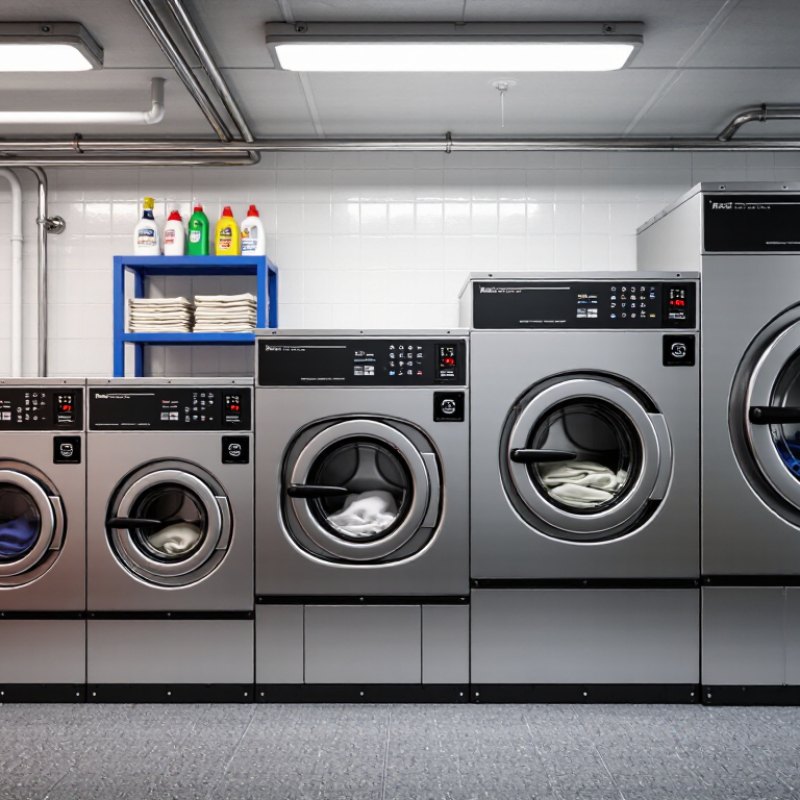
Marine washing machines for ships must handle vibration, limited space, salt air, and restricted freshwater supplies. Different designs suit different onboard routines. Compact front-loading machines fit crew cabins and small laundry rooms. They use water efficiently and usually provide better spin performance. Top-loading models are simpler to load, but they may require more floor clearance. Their controls are often easier to operate with wet hands. Washer-extractors combine washing and high-speed water removal. They suit vessels with frequent laundry demands and limited drying space. Washer-dryer combinations save room, although drying cycles can consume significant electricity.
Industrial marine washing machines are built for heavier loads, including bedding, work clothing, and towels. Some use reinforced frames and corrosion-resistant panels for demanding compartments. A marine-rated unit should include strong door locks, stable feet, and drainage protection. Poor leveling can create harsh movement during rough seas. That detail is easy to underestimate. I have found that capacity ratings can mislead when bulky fabrics fill the drum early. Check the actual drum volume, electrical supply, ventilation, and spare-part access before installation. Salt residue also deserves attention because it can damage exposed metal and control components.
Tips: Select a machine according to crew size, laundry frequency, and available freshwater. Use short cycles for lightly soiled clothing. Keep the door open after use to reduce odor and moisture. Inspect hoses and mounting bolts regularly. A small leak can become a serious maintenance problem at sea. Allow extra clearance for servicing, even when space feels impossible.
7 Best Marine Washing Machines for Ships - Types of Marine Washing Machines for Shipboard Use
| Rank | Marine Washing Machine Type | Typical Load Capacity | Typical Installation Footprint | Recommended Shipboard Use | Main Utility Requirements | Key Advantages | Important Limitations |
|---|---|---|---|---|---|---|---|
| 1 | Commercial Front-Load Washer-Extractor | 10–25 kg per cycle | Approximately 700–900 mm wide and 800–1,000 mm deep | Medium and large vessels, crew laundries, passenger ships, and offshore support vessels | Cold or hot water, wastewater drain, electrical supply commonly ranging from 200–240 V or 380–480 V, depending on the vessel | High water efficiency, strong cleaning performance, programmable cycles, and effective high-speed extraction that reduces drying time | Requires secure mounting, adequate drainage, vibration control, and sufficient laundry-room floor space |
| 2 | Washer-Dryer Combination Unit | 6–12 kg washing capacity; drying capacity is usually lower | Approximately 600–700 mm wide and 600–750 mm deep | Small crews, yachts, research vessels, and ships with limited laundry-room space | Water supply, drain connection, electrical supply, and either vented exhaust or a condensate-management system | Combines washing and drying in one cabinet, saves floor space, and reduces manual transfer of wet laundry | Longer total cycle times, smaller drying loads, and lower throughput than separate commercial washers and dryers |
| 3 | Stacked Washer-and-Dryer System | Washer: 10–20 kg; dryer: 10–20 kg, depending on configuration | Approximately 700–900 mm wide and 800–1,000 mm deep; vertical clearance is typically 1,800–2,100 mm | Ships requiring regular laundry processing while preserving deck or floor area | Water inlet, drain, electrical supply, and dryer exhaust or approved condensation system | Provides separate wash and dry functions in a compact vertical arrangement and supports continuous workflow | Needs adequate overhead clearance, structural support, service access, and careful vibration management |
| 4 | Barrier or Pass-Through Washer-Extractor | 20–100 kg per cycle | Typically 1,500–2,500 mm wide and 1,500–2,500 mm deep, excluding service clearances | Large passenger ships, cruise vessels, hospitals at sea, and ships with separated clean and dirty laundry zones | Hot and cold water, substantial drainage, high-capacity electrical supply, and floor anchoring | Separates soiled and clean sides, improves hygiene flow, and handles high laundry volumes efficiently | High purchase and installation cost, large space requirement, and more demanding structural and utility provisions |
| 5 | Industrial Washer-Extractor with Programmable Controls | 25–80 kg per cycle | Approximately 1,200–2,000 mm wide and 1,300–2,000 mm deep | Merchant vessels, offshore platforms, ferries, and vessels with heavy-duty workwear loads | High-capacity water and drain connections, robust electrical supply, chemical dosing compatibility, and reinforced foundations | Designed for frequent operation, heavy fabrics, oil-contaminated workwear, and repeatable wash programs | Needs professional commissioning, scheduled maintenance, corrosion protection, and sufficient ventilation |
| 6 | Compact Top-Load Washer | 5–10 kg per cycle | Approximately 550–700 mm wide and 550–750 mm deep | Small workboats, fishing vessels, yachts, and low-volume crew laundry rooms | Fresh-water inlet, drain, and vessel-compatible electrical supply; hot-water connection may not be required | Simple operation, relatively small footprint, easy loading from the top, and generally lower initial cost | Often uses more water than comparable front-load equipment and may provide lower extraction performance |
| 7 | Portable or Compact Twin-Tub Washer | 2–6 kg per wash cycle; spin capacity is commonly lower than wash capacity | Approximately 400–600 mm wide and 350–600 mm deep | Very small boats, emergency backup laundry, temporary accommodation, and vessels without a dedicated laundry room | Manual or hose-connected water supply, drain outlet, and a suitable grounded electrical connection | Lightweight, easy to relocate, low space requirement, and useful where permanent plumbing is unavailable | Limited capacity, manual transfer between wash and spin compartments, lower automation, and less suitability for continuous commercial use |
Dimensions, capacities, and utility requirements are typical industry ranges. Final selection should be based on vessel electrical frequency and voltage, freshwater availability, wastewater capacity, deck loading, vibration limits, corrosion protection, ventilation, and applicable maritime safety requirements.