

















2026 Top Oil Free Compressor Types Which Is Best?

Choosing the best oil free compressor in 2026 requires more than comparing horsepower, price, or catalogue promises. The correct choice depends on air purity, duty cycle, pressure stability, cooling conditions, and maintenance access. In a food plant, one oil carryover incident can reach a filling nozzle, filter housing, or product-contact surface. In electronics manufacturing, even microscopic contamination may damage sensitive processes.

The U.S. Department of Energy reports that compressed air can consume 10–15% of industrial electricity, while poorly maintained systems may lose substantial output through leaks. The International Energy Agency also identifies industrial energy efficiency as a major pathway for reducing operational emissions. These findings make compressor efficiency a purchasing issue, not merely an engineering preference. Fortune Business Insights projects continued growth in the global oil-free air compressor market, supported by healthcare, food processing, electronics, and stricter air-quality expectations.

“Compressed air is often called the fourth utility—and often the most expensive,” says Hank Van Ormer, a recognised compressed-air efficiency specialist. His warning remains practical. A low purchase price can hide high energy use, frequent valve replacement, or unstable performance under peak demand.

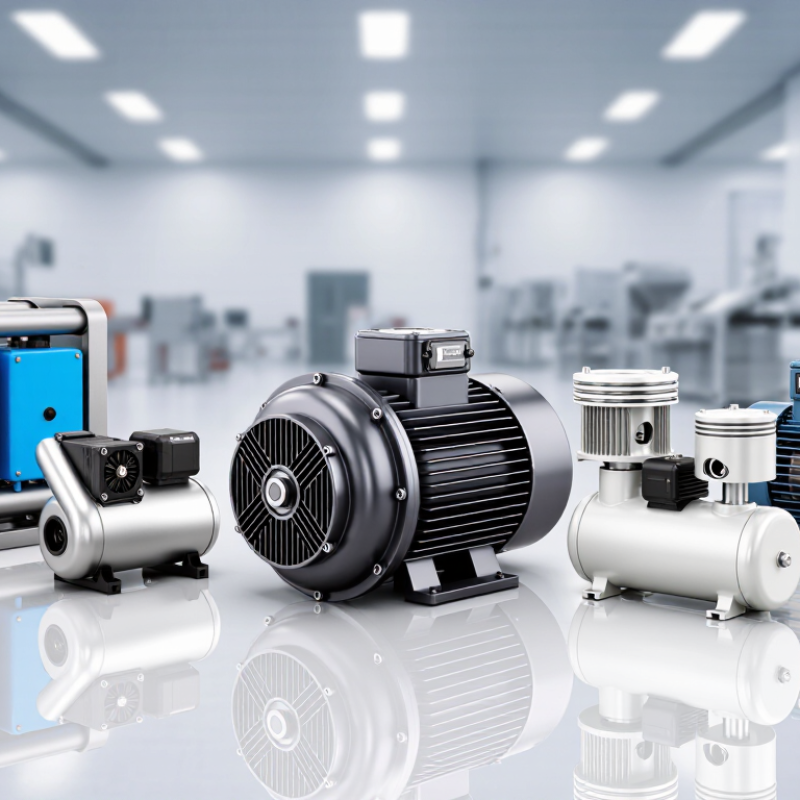
Oil free compressor technologies now include oil-free screw, scroll, piston, centrifugal, and water-lubricated designs. Each has strengths. None is automatically best. Scroll compressors suit quiet, clean, smaller applications. Centrifugal units favour large, steady flows. Oil-free screw systems offer flexible industrial capacity, but their efficiency depends heavily on controls and load profile.

The difficult part is admitting that selection charts can oversimplify reality. A compressor that performs well in a laboratory may struggle beside a hot production line. This guide compares the leading 2026 compressor types, using lifecycle cost, ISO 8573-1 air quality, service demands, and real operating conditions.
2026 Top Oil Free Compressor Types Which Is Best?

Oil-Free Compressor Basics and How They Work

2026 Top Oil-Free Compressor Types: Which Is Best?
Oil-Free Compressor Basics and How They Work

An oil-free compressor separates lubrication from the compression chamber. Its air path uses coatings, seals, water, or dry-running materials instead. Common designs include scroll, dry screw, reciprocating, and centrifugal compressors. Scroll units compress air through orbiting spiral elements. Dry screw models use synchronized rotors without chamber oil. Centrifugal machines accelerate air with high-speed impellers. The best choice depends on pressure, flow, duty cycle, and air-quality risk.

The U.S. Department of Energy reports that compressed air can consume 10–15% of industrial electricity. Its Improving Compressed Air System Performance sourcebook also notes that leaks may waste 20–30% of compressor output. These figures make system design as important as compressor selection. ISO 8573-1 classifies compressed-air purity by particles, water, and oil. Class 0 means the user specifies the strictest oil concentration, not “zero contamination.” That difference matters.

A practical audit should measure pressure at the point of use, not only at the compressor outlet. Food, pharmaceutical, electronics, and laboratory processes usually need tighter contamination control. Dry screw machines suit steady factory loads. Scroll compressors can fit quieter, lower-flow work areas. Centrifugal systems become attractive when demand is large and continuous. Maintenance still matters. Filters clog, coatings wear, and cooling water can create problems. No oil-free design is perfect. Engineers sometimes over-specify purity and waste energy. CAGI performance data sheets help compare input power, rated flow, and pressure under similar conditions. The uncomfortable lesson is simple: a clean compressor cannot fix leaking pipes or poor controls.

Main Types of Oil-Free Compressors in 2026

Main Types of Oil-Free Compressors in 2026

In 2026, oil-free compressors mainly include scroll, reciprocating, screw, centrifugal, and diaphragm designs. Each type suits different pressure, flow, and cleanliness requirements. Oil-free does not mean maintenance-free. Air filters, seals, cooling systems, and dryers still need regular inspection.

Scroll, Reciprocating, and Diaphragm Designs

Oil-free scroll compressors use two spiral elements to compress air quietly and with minimal vibration. They fit dental clinics, laboratories, and small workshops.

Reciprocating compressors deliver higher pressure from a compact frame, making them useful for instruments and intermittent production. However, piston rings wear over time, especially in dusty rooms.

Diaphragm compressors separate the gas from moving parts, supporting sensitive laboratory and chemical applications. Their flow is usually limited.

Screw and Centrifugal Compressors

Oil-free screw compressors provide steady airflow for factories, packaging lines, and automated equipment. They often require careful temperature control because dry-running components face greater friction.

Centrifugal compressors suit large facilities needing continuous, high-volume airflow. They operate efficiently near their design point but may perform poorly during frequent load changes.

In field testing, sound level and service access can matter as much as efficiency. A compressor that looks excellent on paper may become inconvenient beside a hot production line.

I would check duty cycle, pressure stability, ambient temperature, and total maintenance cost before choosing a type. Small oversights can become expensive.

Comparing Performance, Efficiency, Noise, and Maintenance

In 2026, oil-free compressor selection depends on operating conditions, not marketing claims. Scroll compressors suit laboratories, clinics, and light production. They usually produce low noise, often around 45–55 dB(A), but capacity remains limited. Oil-free screw compressors support continuous factory duty and wider flow ranges. Their typical sound levels can reach 60–75 dB(A), requiring enclosure design. Centrifugal compressors deliver excellent efficiency at high, stable demand. They become less attractive when production fluctuates sharply. Reciprocating models handle high pressure well, although vibration and pulsation need attention.

Energy deserves careful measurement. The U.S. Department of Energy reports that compressed air can consume 10–20% of industrial electricity. Its compressed-air sourcebook also identifies leaks as a major avoidable loss. A poorly maintained system may run loudly while producing little useful air. Performance should therefore include specific power, measured in kW per m³/min, at actual pressure. ISO 1217 testing and CAGI-style data sheets improve comparison, but site conditions still change results. The most efficient machine on paper may underperform beside an undersized dryer or restricted filter.

Tips: Log pressure, flow, temperature, and noise for seven days before buying. Check service intervals, filter replacement costs, and access around the unit. Ask for load-cycle data, not only rated capacity. Oil-free does not mean maintenance-free. A realistic review should include electrical demand, acoustic treatment, downtime risk, and spare-part availability. My judgment may change after a seasonal demand test; compressor sizing is rarely perfect on the first attempt.

2026 Top Oil Free Compressor Types Which Is Best? - Comparing Performance, Efficiency, Noise, and Maintenance

Compressor Type Typical Capacity Typical Pressure Specific Energy Use Typical Noise Air Quality Maintenance Demand Best Application
Oil-Free Scroll 0.5–30 kW
0.05–5.0 m³/min
7–10 bar(g) Approximately 0.11–0.16 kWh/m³ at rated conditions 48–68 dB(A) Very high; no lubricant in the compression chamber Low; air filters, coolers, valves, and scroll elements require periodic inspection Dental clinics, laboratories, electronics, small medical systems, and quiet indoor installations
Oil-Free Rotary Screw 15–355 kW
2–60 m³/min
7–13 bar(g) Approximately 0.095–0.14 kWh/m³ at rated conditions 65–78 dB(A) High; designed to prevent oil contact with compressed air Moderate; air-end, inlet valves, coolers, filters, motor, and control system need scheduled service Continuous industrial operation, food processing, pharmaceuticals, textiles, and automotive plants
Oil-Free Reciprocating Piston 0.75–30 kW
0.05–3.5 m³/min
8–30 bar(g), depending on stages Approximately 0.14–0.24 kWh/m³ 65–85 dB(A) High, provided that non-lubricated sealing materials are correctly maintained Moderate to high; piston rings, valves, gaskets, and cylinder components wear over time Intermittent duty, workshops, garages, small laboratories, and applications requiring higher pressure
Oil-Free Claw 2–250 kW
0.2–35 m³/min
Approximately 1.5–4 bar(g) per stage; higher pressure requires multistage configurations Approximately 0.10–0.18 kWh/m³ in low-pressure service 62–78 dB(A) Very high; compression chamber is separated from the timing gears and bearings Low; typically limited to bearings, gear lubrication, filters, seals, and coolers Pneumatic conveying, wastewater aeration, packaging, vacuum handling, and low-pressure process air
Diaphragm Compressor 0.1–15 kW
0.001–0.5 m³/min
10–300 bar(g), depending on design and stages Approximately 0.20–0.45 kWh/m³; strongly dependent on pressure 55–75 dB(A) Exceptional; the diaphragm physically separates the gas from the drive mechanism Moderate; diaphragm, valves, seals, and filters require periodic replacement or inspection High-purity gases, gas recovery, chemical analysis, hydrogen service, and laboratory applications
Centrifugal Compressor 75–1,500+ kW
50–500+ m³/min
3–10 bar(g) per stage Approximately 0.085–0.12 kWh/m³ near optimum load 72–88 dB(A) High; suitable configurations avoid oil contact with the compressed air stream Low to moderate; requires precise monitoring of bearings, seals, coolers, controls, and surge protection Large plants with stable, continuous demand and high-volume process air requirements
Selection guide: Oil-free scroll compressors are generally best for quiet, low-to-medium flow applications; oil-free rotary screw compressors are usually the most versatile choice for continuous industrial service; centrifugal compressors offer the lowest energy use at very large, stable flow rates; piston and diaphragm compressors are preferred when intermittent operation, high pressure, or exceptional gas purity is required.

Note: Values are representative engineering ranges for oil-free designs. Actual performance varies with pressure, ambient temperature, duty cycle, control method, altitude, installation, and applicable testing standards. Noise values are typically measured at approximately 1 metre and may not be directly comparable between manufacturers.

How to Choose the Best Oil-Free Compressor for Your Needs

How to Choose the Best Oil-Free Compressor for Your Needs

Choosing an oil-free compressor starts with the air requirement, not the catalog size. Measure operating pressure, average airflow, peak demand, and daily running hours. Start with the air. A dental clinic may need clean, quiet air, while a workshop may prioritize continuous delivery. Oil-free scroll compressors suit low-noise environments and moderate demand. Oil-free screw compressors often handle longer duty cycles and higher flow. Reciprocating models can work well for intermittent tasks, but their noise and vibration deserve attention.

Check the air quality standard required by your process. Food packaging, laboratories, and electronics assembly may need highly clean compressed air. An oil-free compression chamber reduces contamination risk, but it does not remove moisture, particles, or microbes automatically. Add suitable dryers, filters, and storage tanks. Measure it carefully. A poorly sized dryer can create trouble even with a good compressor.

Look beyond purchase price. Compare power consumption at your real load, service intervals, heat removal, and available maintenance support. Confirm the compressor can start reliably in your site’s temperature range. Noise matters. My first selection would be too small if peak demand lasted several minutes, even when average consumption looked low. That mistake is easy to make. Leave reasonable capacity for leaks and future equipment, but avoid excessive oversizing because frequent cycling wastes energy. Record pressure and flow during a normal workday before making the final decision.

Emerging Technologies Shaping Oil-Free Compressors in 2026

2026 Top Oil Free Compressor Types Which Is Best?

Emerging Technologies Shaping Oil-Free Compressors in 2026

Oil-free compressors are becoming smarter, quieter, and more efficient. Scroll, screw, and centrifugal designs now use advanced coatings, tighter tolerances, and improved cooling paths. Magnetic-bearing centrifugal units remove mechanical contact at high speed. Variable-speed drives also reduce wasted electricity during changing demand. The U.S. Department of Energy reports that compressed-air systems can consume about 10% of industrial electricity. That makes control technology more important than headline pressure ratings. No single design wins everywhere.

Tips: Measure airflow, pressure, duty cycle, and operating temperature before choosing a compressor. Ask for verified ISO 8573-1 air-quality data. Check performance at partial load, not only at full capacity.

Artificial intelligence is entering compressor monitoring through vibration sensors, thermal readings, and digital twins. These tools can identify bearing wear before a sudden shutdown. Heat-recovery systems can reuse discharge heat for water or space heating. The IEA’s Energy Efficiency 2023 report states that industry uses roughly 37% of global final energy. Even small efficiency gains can therefore influence operating costs and emissions.

Yet software predictions still need experienced technicians and clean sensor data.

I may be too optimistic about full automation. Dust, humidity, and poor maintenance remain difficult variables. In 2026, the best oil-free compressor may be the one that fits the entire system, not the most advanced machine.

Article Source:

Start typing to see products you are looking for.
Sign in

No account yet?

NewSale
SHARE YOUR CART